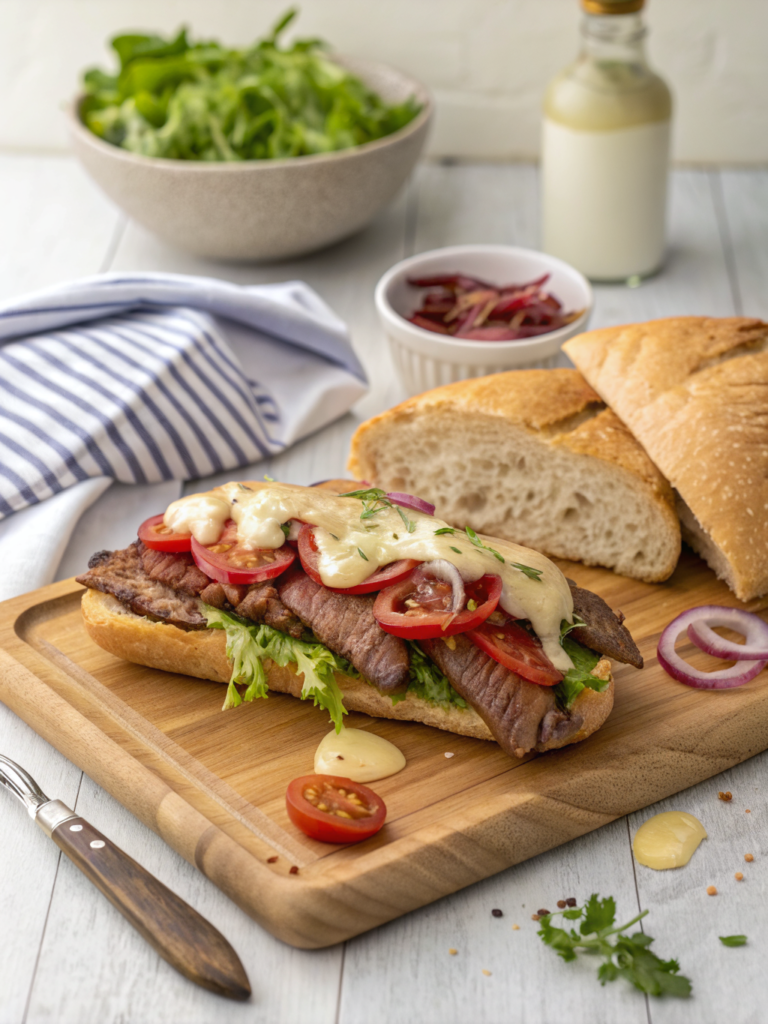
5 Proven Steps to Pan Seared Top Sirloin Steak
“`html
5 Proven Steps to Pan Seared Top Sirloin Steak
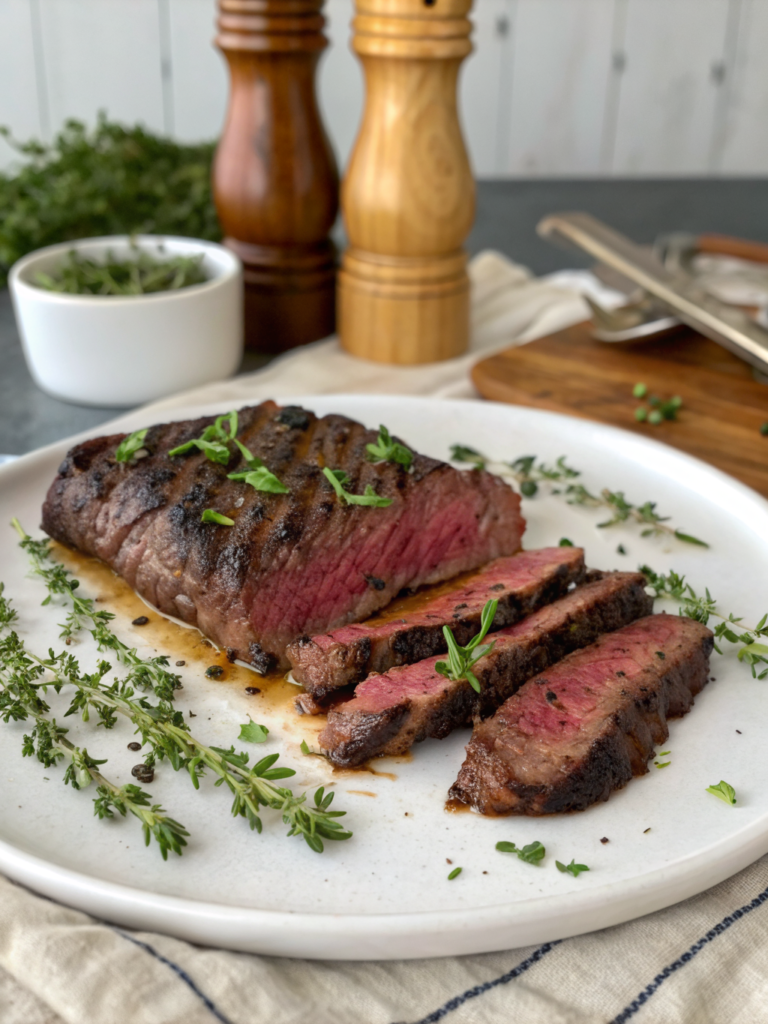
What if everything you thought you knew about cooking steak at home was holding you back from restaurant-quality results? Most home cooks overcomplicate the process, but the truth is, a perfect sirloin steak recipe comes down to five simple, proven steps. With the right technique, you can achieve a beautifully seared, juicy, and flavorful steak every single time — no grill required.
Pan searing is one of the most reliable methods for cooking top sirloin indoors. It creates a gorgeous caramelized crust while locking in all those savory juices. Whether you’re cooking for a weeknight dinner or a special occasion, this guide will walk you through everything you need to know.
Ingredients List
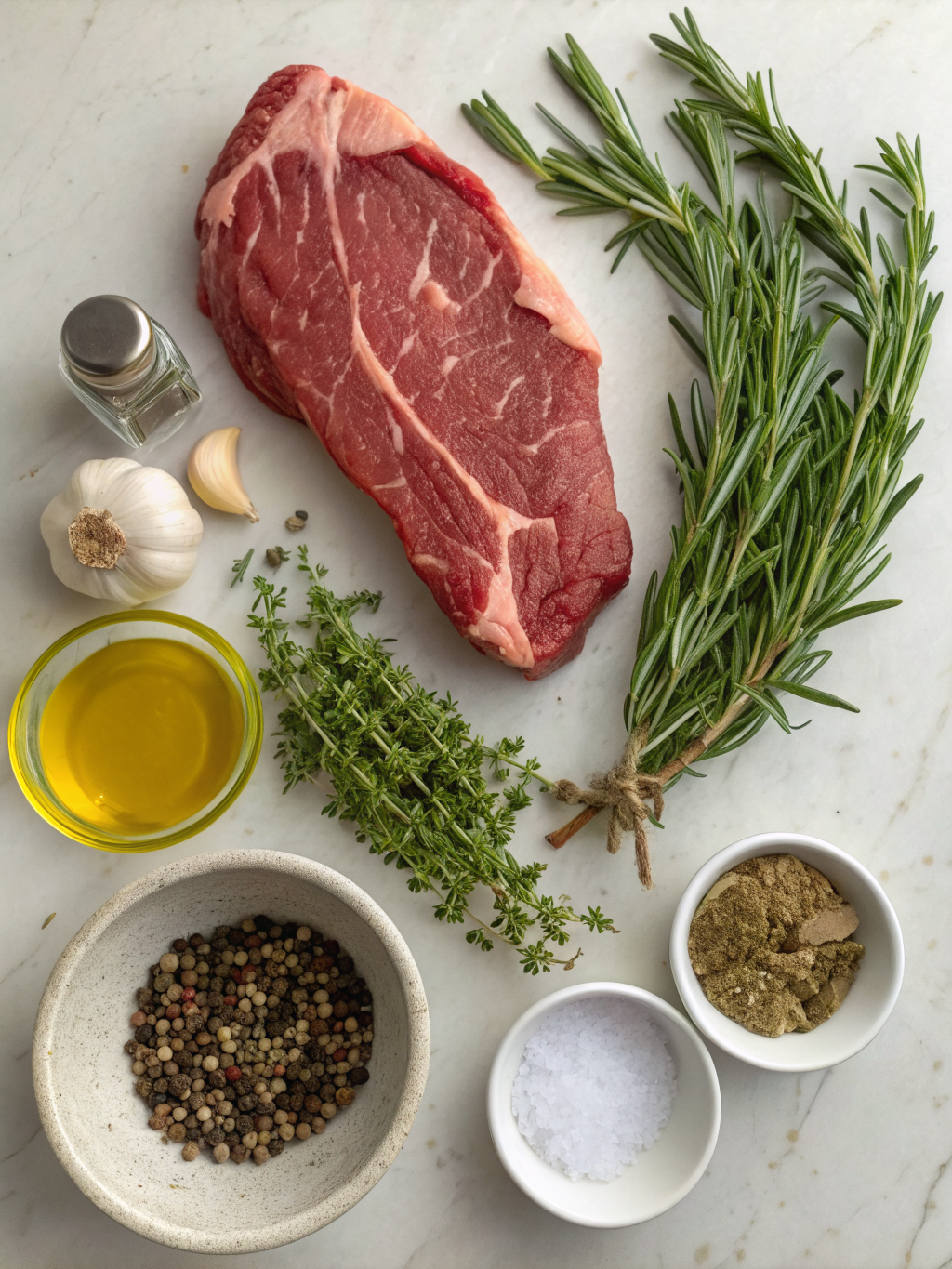
Gather these simple, high-quality ingredients before you begin. Fresh, quality components make a significant difference in the final flavor of your steak.
- 2 top sirloin steaks (about 8–10 oz each, at least 1 inch thick) — look for steaks with good marbling for maximum juiciness
- 2 tablespoons olive oil — or substitute avocado oil for a higher smoke point
- 2 tablespoons unsalted butter — adds richness during basting; substitute ghee for a dairy-free option
- 4 garlic cloves, lightly smashed — fresh is best, but ½ teaspoon garlic powder works in a pinch
- 3–4 fresh thyme sprigs — rosemary is a wonderful alternative
- 1 teaspoon kosher salt — coarse sea salt also works beautifully
- 1 teaspoon freshly cracked black pepper
- ½ teaspoon smoked paprika (optional, but adds incredible depth)
- ½ teaspoon onion powder (optional)
Pro tip: For the most flavorful result, season your steaks generously. Don’t be shy with the salt — it forms the foundation of that irresistible crust.
Timing
One of the best things about this sirloin steak recipe is how quickly it comes together. Here’s the full time breakdown:
- Prep Time: 5 minutes (plus 30–45 minutes to bring steak to room temperature)
- Cook Time: 8–12 minutes
- Resting Time: 5 minutes
- Total Time: Approximately 50–60 minutes (active cooking under 20 minutes)
Compared to the average steak dinner that takes 75–90 minutes from start to finish, this method saves you up to 30% of your time without sacrificing any flavor. The majority of that time is passive — simply letting your steak rest at room temperature before cooking.
Step-by-Step Instructions
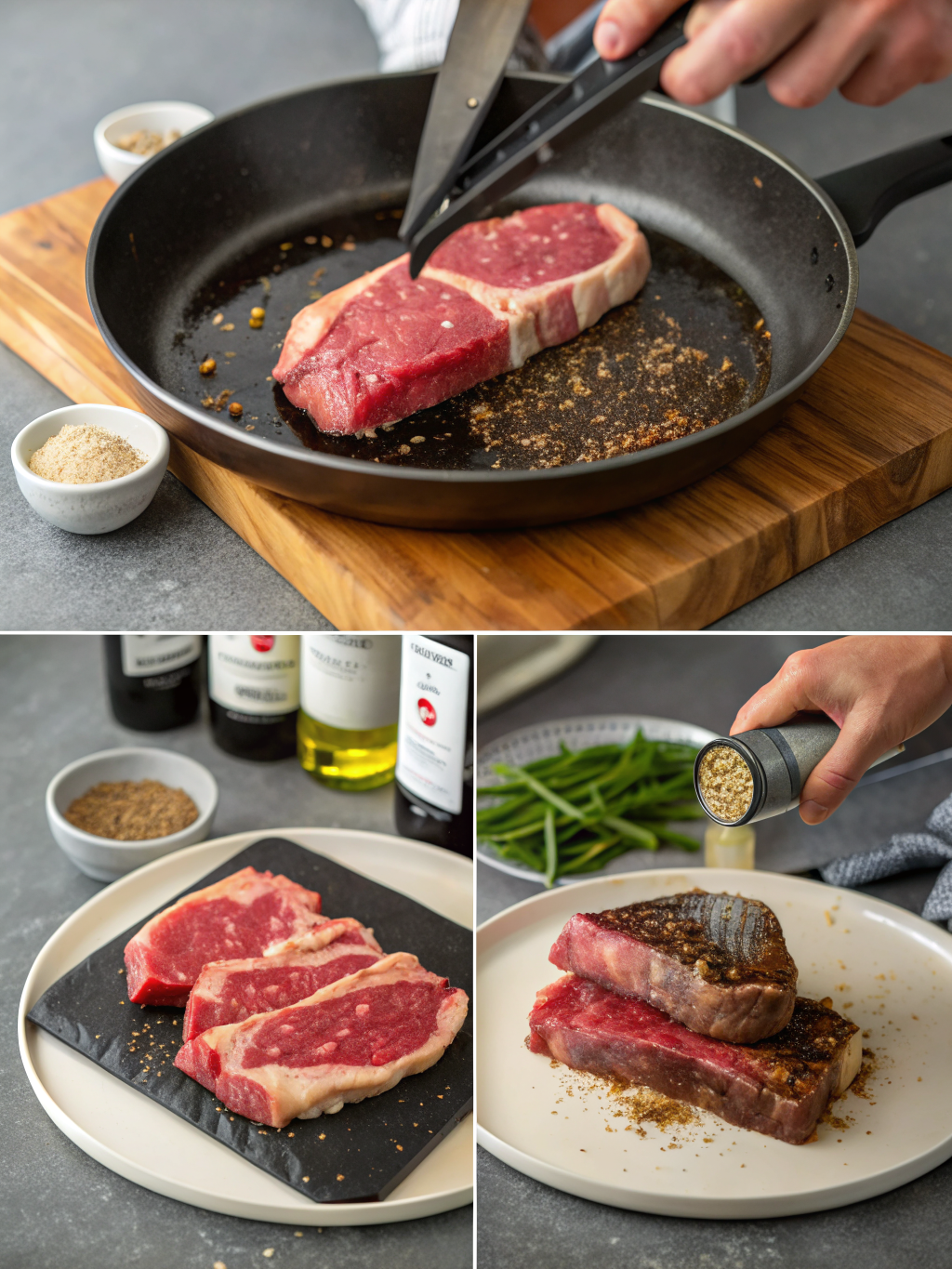
Follow these five proven steps carefully and you’ll produce a pan seared top sirloin steak that rivals any steakhouse in your city.
Step 1: Bring the Steak to Room Temperature
Remove your steaks from the refrigerator 30–45 minutes before cooking. This crucial step ensures even cooking throughout. A cold steak placed directly in a hot pan will cook unevenly — perfectly seared on the outside but cold and underdone in the center. Pat the steaks completely dry with paper towels to remove excess moisture.
Step 2: Season Generously
Combine kosher salt, black pepper, smoked paprika, and onion powder in a small bowl. Press the seasoning mixture firmly onto both sides and the edges of each steak. Don’t rub — press. This helps the seasoning adhere and form a better crust. Allow the seasoned steaks to sit uncovered for at least 10 minutes before searing.
Step 3: Preheat Your Pan Properly
This step is non-negotiable. Place a heavy cast iron skillet or stainless steel pan over high heat for 3–5 minutes until it’s smoking hot. Add the olive oil and swirl to coat. A properly preheated pan is the secret behind that deep, golden-brown crust. If the pan isn’t hot enough, your steak will steam instead of sear.
Step 4: Sear and Baste
- Carefully place the steaks in the pan, laying them away from you to avoid oil splatter.
- Sear undisturbed for 3–4 minutes until a dark crust forms on the bottom.
- Flip once using tongs — never a fork, which pierces the meat and releases precious juices.
- Add butter, smashed garlic, and thyme sprigs to the pan.
- Tilt the pan slightly and use a spoon to continuously baste the steak with the melted, herb-infused butter for 2–3 minutes.
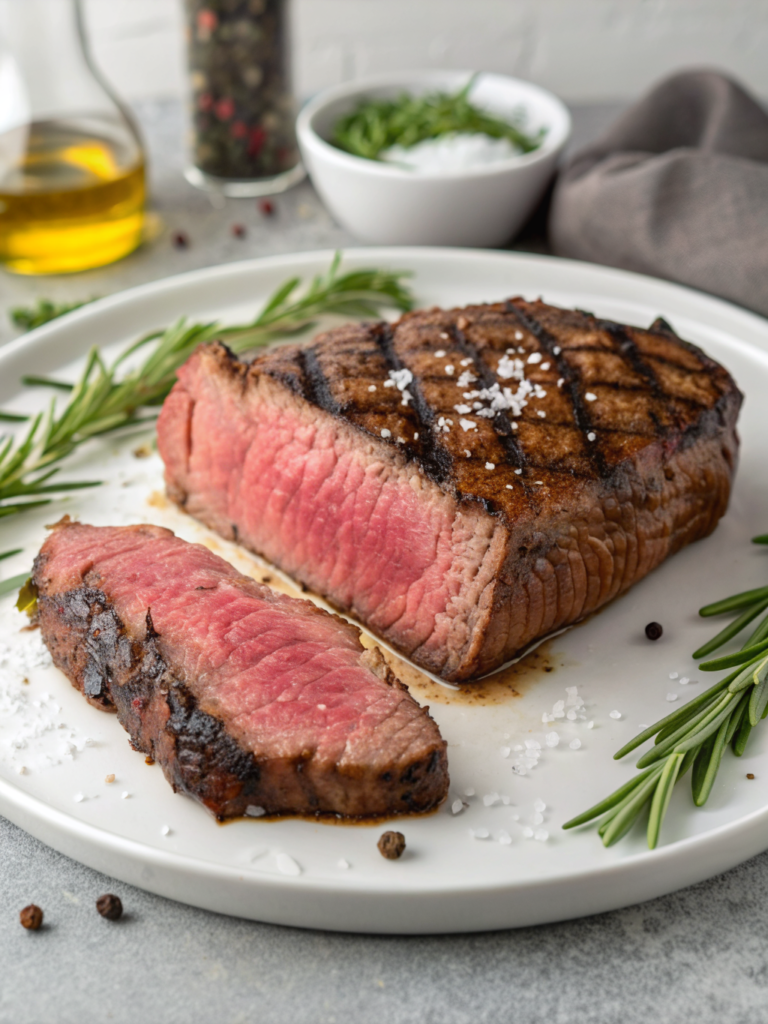
- For medium-rare, aim for an internal temperature of 130–135°F. For medium, target 140–145°F.
Always use a meat thermometer for precision. Guessing doneness is the number one reason home cooks end up with overcooked steak.
Step 5: Rest Before Serving
Transfer the steaks to a cutting board and tent loosely with aluminum foil. Allow them to rest for at least 5 minutes. Resting allows the juices — which have been pushed to the center during cooking — to redistribute evenly throughout the meat. Cutting too early means losing up to 40% of those flavorful juices on your cutting board.
Nutritional Information
Top sirloin is one of the leanest cuts of beef, making it an excellent protein source for health-conscious eaters. The following values are approximate per serving (one 8 oz steak prepared as described):
- Calories: 480–520 kcal
- Protein: 52–56g — an exceptional source, meeting nearly 100% of the average adult’s daily protein needs
- Total Fat: 28–32g
- Saturated Fat: 10–12g
- Cholesterol: 145–160mg
- Sodium: 620–680mg (varies with seasoning)
- Carbohydrates: 1–2g
- Iron: Approximately 20% of the recommended daily value
- Zinc: Approximately 40% of the recommended daily value
- Vitamin B12: Over 100% of the recommended daily value
Top sirloin is significantly leaner than ribeye, containing roughly 30% less fat while still delivering incredible flavor. It’s a smart choice for those balancing indulgence with nutritional goals.
Healthier Alternatives for the Recipe
Want to enjoy this dish with a lighter nutritional profile? Here are some smart swaps that preserve the amazing flavor without compromising your health goals.
- Replace butter with olive oil: Eliminate saturated fat during the basting step by using extra virgin olive oil infused with garlic and herbs instead.
- Reduce sodium: Use a salt-free herb blend or lemon zest to add brightness without increasing sodium content.
- Opt for a smaller portion: A 5–6 oz steak still delivers impressive protein (around 35g) with significantly fewer calories.
- Try a marinade instead of butter basting: A marinade of lemon juice, olive oil, garlic, and herbs adds flavor without added saturated fat.
- Grass-fed beef: Choose grass-fed top sirloin for a higher omega-3 fatty acid content and a better overall fat profile compared to grain-fed beef.
These modifications make this sirloin steak recipe adaptable for low-sodium, heart-healthy, or higher-protein dietary plans without sacrificing the satisfying, savory experience.
Serving Suggestions
The right sides can elevate your pan seared top sirloin from a simple meal to a truly memorable dining experience. Here are some crowd-pleasing pairings:
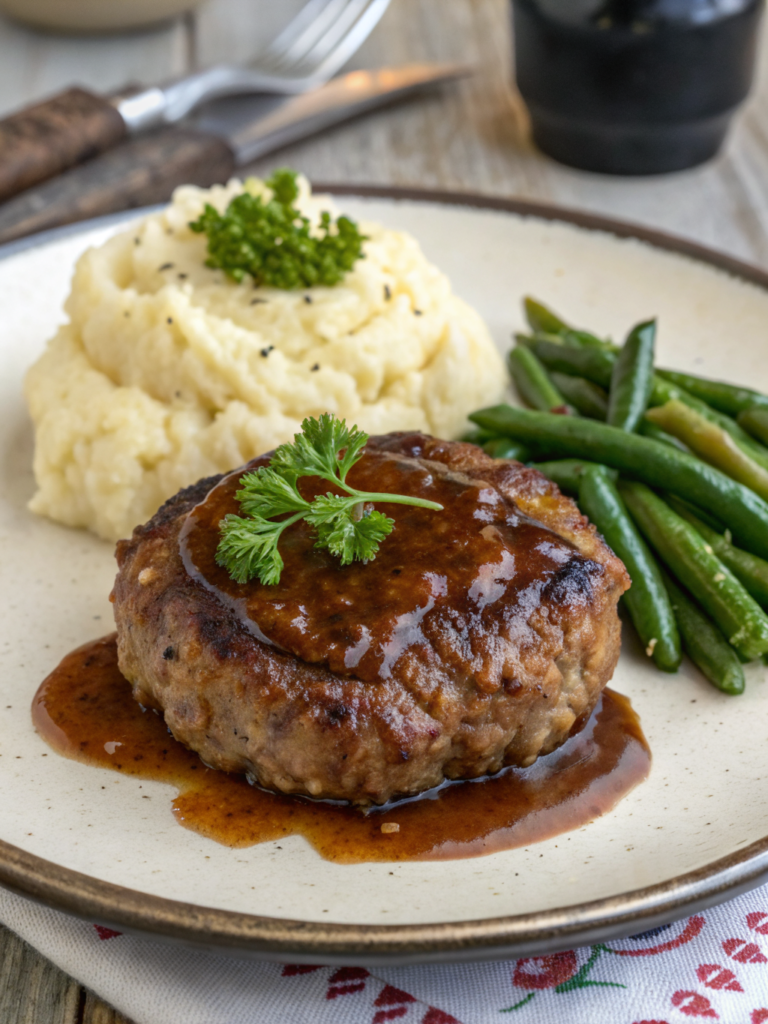
- Classic steakhouse sides: Creamy mashed potatoes, roasted asparagus, or a crisp wedge salad are timeless companions.
- Light and fresh: Serve over a bed of arugula with shaved Parmesan and a lemon vinaigrette for a sophisticated, lighter option.
- Compound butter: Top each steak with a slice of homemade herb compound butter (softened butter mixed with parsley, garlic, and lemon zest) for a restaurant-worthy finish.
- Chimichurri sauce: This vibrant Argentinian herb sauce pairs brilliantly with sirloin and adds a fresh, zesty contrast to the rich meat.
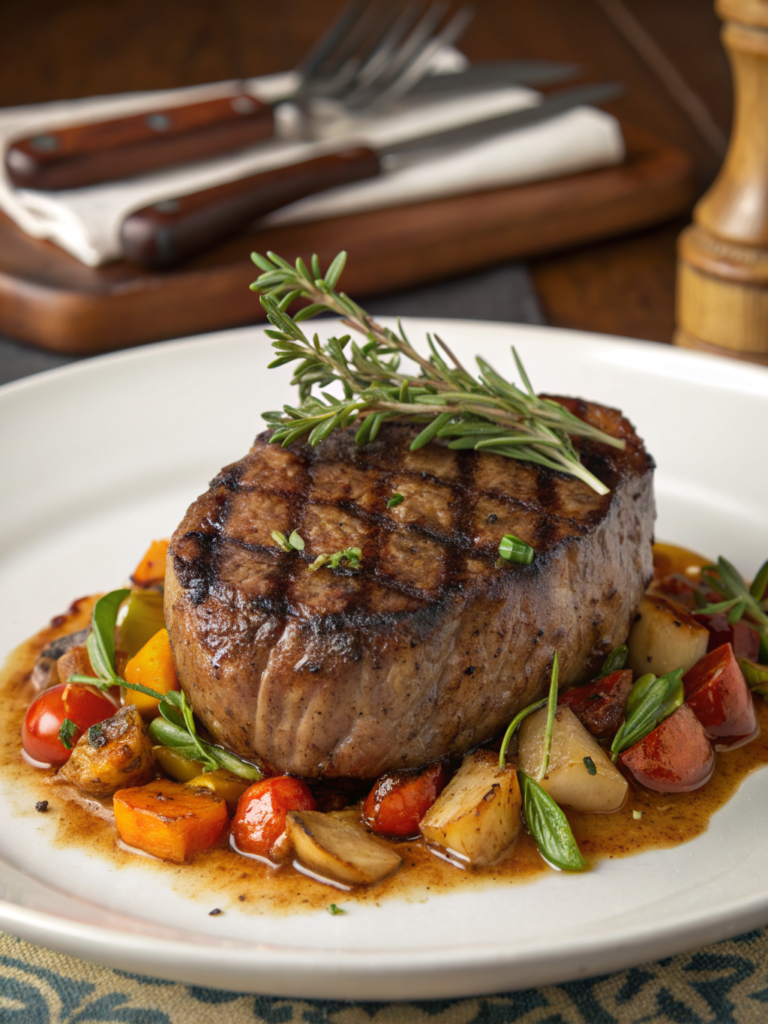
- Roasted vegetables: Garlic-roasted Brussels sprouts or caramelized mushrooms complement the savory, umami-rich flavor of the steak perfectly.
- Wine pairing: A bold Cabernet Sauvignon or Malbec enhances the beefy, savory notes beautifully.
Slice the steak against the grain before serving to maximize tenderness. This simple technique shortens the muscle fibers, making every bite noticeably more tender.
Common Mistakes to Avoid
Even experienced cooks make these errors. Knowing what to avoid is just as important as knowing what to do.
- Skipping the room temperature rest: Cooking a cold steak leads to uneven doneness. Always allow 30–45 minutes of resting time before cooking.
- Not drying the steak: Surface moisture creates steam, which prevents a proper sear. Always pat steaks completely dry with paper towels.
- Using a non-stick pan: Non-stick pans can’t handle the high heat needed for a proper sear. Always use cast iron or stainless steel.
- Moving the steak too much: Let it sit undisturbed. Constantly moving the steak prevents crust formation and results in a gray, unappetizing exterior.
- Skipping the thermometer: Relying on touch or time alone is unreliable. A digital meat thermometer is a $10–$15 investment that guarantees perfect results every time.
- Cutting immediately after cooking: Skipping the rest period causes juices to run out immediately. Always rest for at least 5 minutes.
- Underseasoning: Beef needs bold seasoning. Don’t be timid — season all surfaces, including the edges, generously.
Storing Tips for the Recipe
Proper storage ensures your leftovers remain delicious and safe to eat. Follow these best practices:
- Refrigerating: Allow the steak to cool completely before storing. Place in an airtight container or wrap tightly in plastic wrap. Refrigerate for up to 3–4 days.
- Freezing: Wrap individual portions in plastic wrap, then in aluminum foil, and place in a freezer-safe bag. Freeze for up to 3 months. Label with the date.
- Reheating: For best results, reheat in a 250°F oven until the internal temperature reaches 110°F, then quickly sear in a hot pan for 60 seconds per side. This method preserves moisture and texture far better than microwaving.
- Meal prep tip: Season your steaks up to 24 hours in advance and store uncovered in the refrigerator. This dry-brining technique draws out moisture, which then reabsorbs into the meat, resulting in deeper flavor and a better crust.
- Sliced leftovers: Store sliced steak in an airtight container with a small amount of beef broth to prevent drying out during storage.
Conclusion
Mastering a perfect pan seared top sirloin steak is genuinely within reach for any home cook. By following these five proven steps — bringing the steak to room temperature, seasoning boldly, preheating your pan properly, searing and basting with care, and resting before serving — you’ll achieve steakhouse-quality results in your own kitchen every single time.
This sirloin steak recipe is simple enough for a weeknight dinner yet impressive enough for entertaining guests. The techniques are transferable, the ingredients are accessible, and the results are consistently spectacular.
Now it’s your turn! Fire up that cast iron skillet and give this recipe a try tonight. We’d love to hear how it turned out — drop a comment below with your experience, share your photos on social media, or tag us so we can celebrate your success. And if you enjoyed this guide, be sure to explore more of our steak and protein-packed recipes for more delicious inspiration!
“`