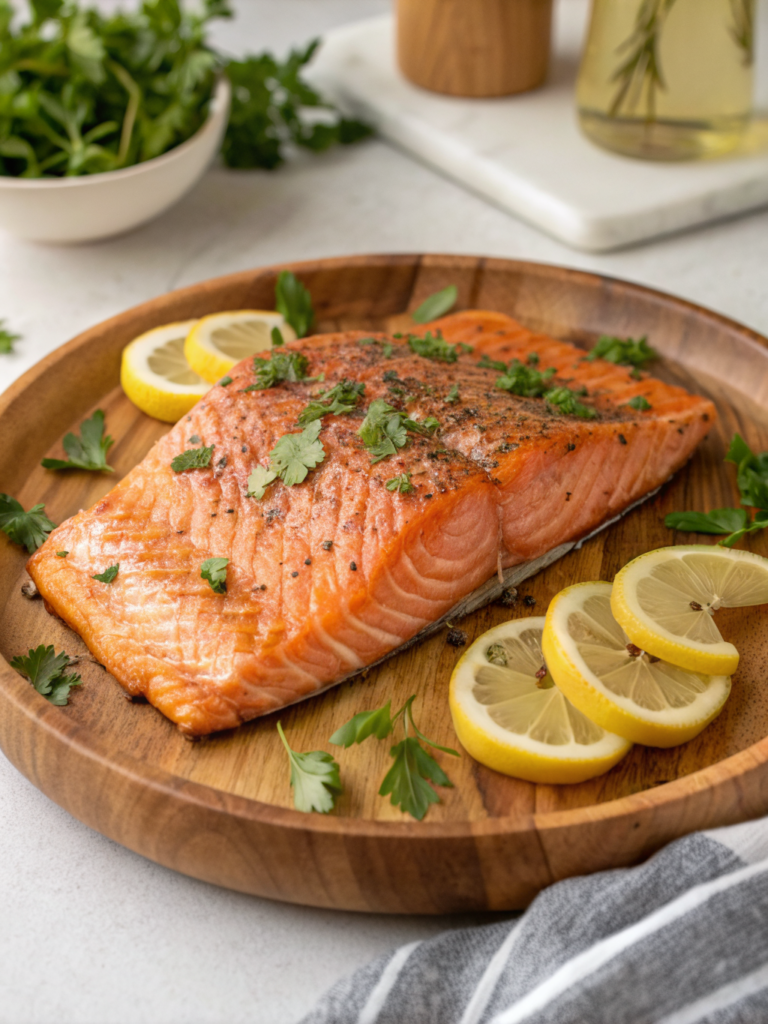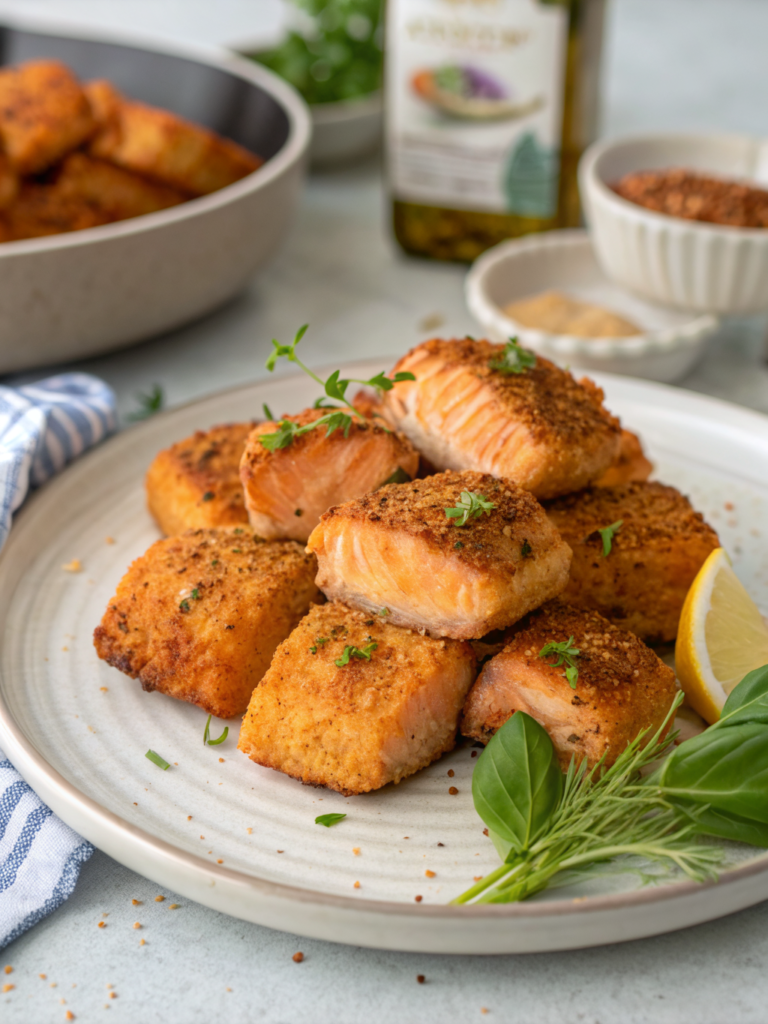
Asian salmon recipe: 7 Best Delicious Ideas in 15 Min
What if you could transform a simple salmon fillet into a restaurant-worthy Asian masterpiece in just 15 minutes? Most home cooks believe bold, complex Asian flavors require hours of marinating and advanced techniques. That’s simply not true. Each asian salmon recipe in this collection proves that incredible flavor is achievable on any busy weeknight — no culinary degree required.
Salmon is one of the most versatile proteins available, and Asian-inspired seasonings — think soy sauce, sesame oil, ginger, and garlic — elevate it effortlessly. Whether you’re a seasoned cook or a complete beginner, these seven recipes will become your go-to weeknight dinner solutions.
Ingredients List
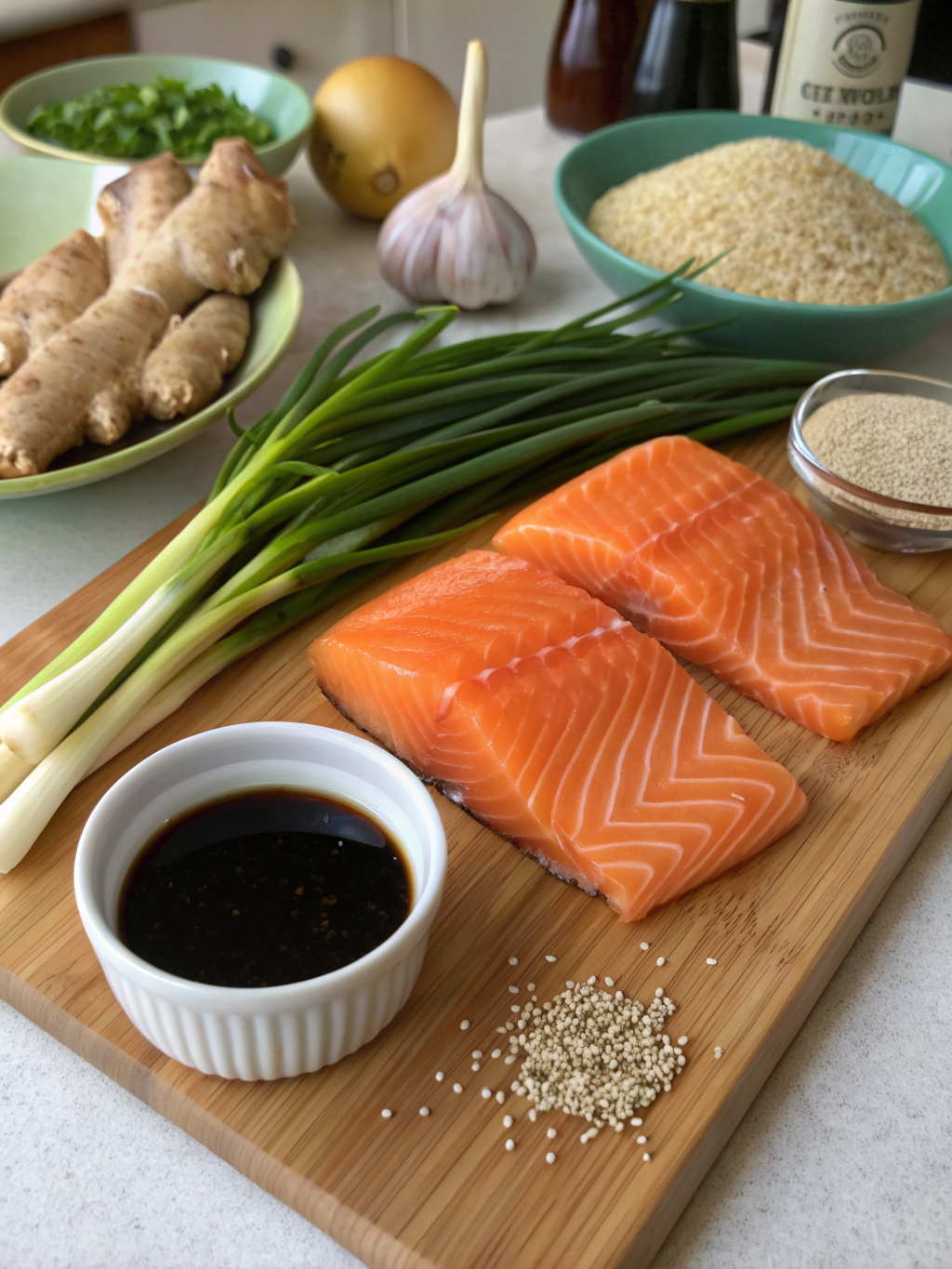
These recipes share a core pantry of Asian staples. Stock these once, and you’re ready to cook any of the seven variations on demand.
Core Ingredients (used across all 7 recipes):
- 4 salmon fillets (about 6 oz each) — wild-caught preferred; steelhead trout works as a substitute
- 3 tablespoons low-sodium soy sauce — substitute tamari for gluten-free
- 2 tablespoons sesame oil — toasted sesame oil adds deeper flavor
- 2 tablespoons honey — substitute maple syrup for a vegan-friendly version
- 3 garlic cloves, minced — garlic paste works in a pinch
- 1 teaspoon fresh ginger, grated — ground ginger (½ tsp) is an acceptable swap
- 2 tablespoons rice vinegar — apple cider vinegar can substitute
- 1 tablespoon sriracha or chili garlic sauce — adjust to your heat preference
- 2 tablespoons hoisin sauce — adds rich, savory depth
- 1 tablespoon miso paste (white or yellow) — deepens umami flavor significantly
- Sesame seeds and sliced green onions — for garnish
- 1 lime or lemon — fresh citrus brightens every dish
- Cooking spray or neutral oil (avocado or vegetable oil)
Most of these ingredients are available at any major grocery store or Asian market. Buying them in bulk saves money and ensures you’re always ready for a spontaneous asian salmon recipe night.
Timing
Speed is the defining feature of this collection. Here’s a breakdown of the time commitment for each recipe:
- Preparation Time: 5 minutes (mixing sauces, prepping garlic and ginger)
- Cooking Time: 8–12 minutes depending on method (pan-sear, broil, or air fry)
- Total Time: 13–15 minutes per recipe
For comparison, the average Asian salmon recipe found online requires 30–45 minutes, including marinating time. This collection cuts that time by over 60% without sacrificing flavor. The secret? High-heat cooking methods and pre-mixed sauces applied directly during cooking rather than relying on lengthy marination.
If you have an extra 30 minutes, a quick marinade will intensify the flavors even further — but it’s entirely optional.
Step-by-Step Instructions
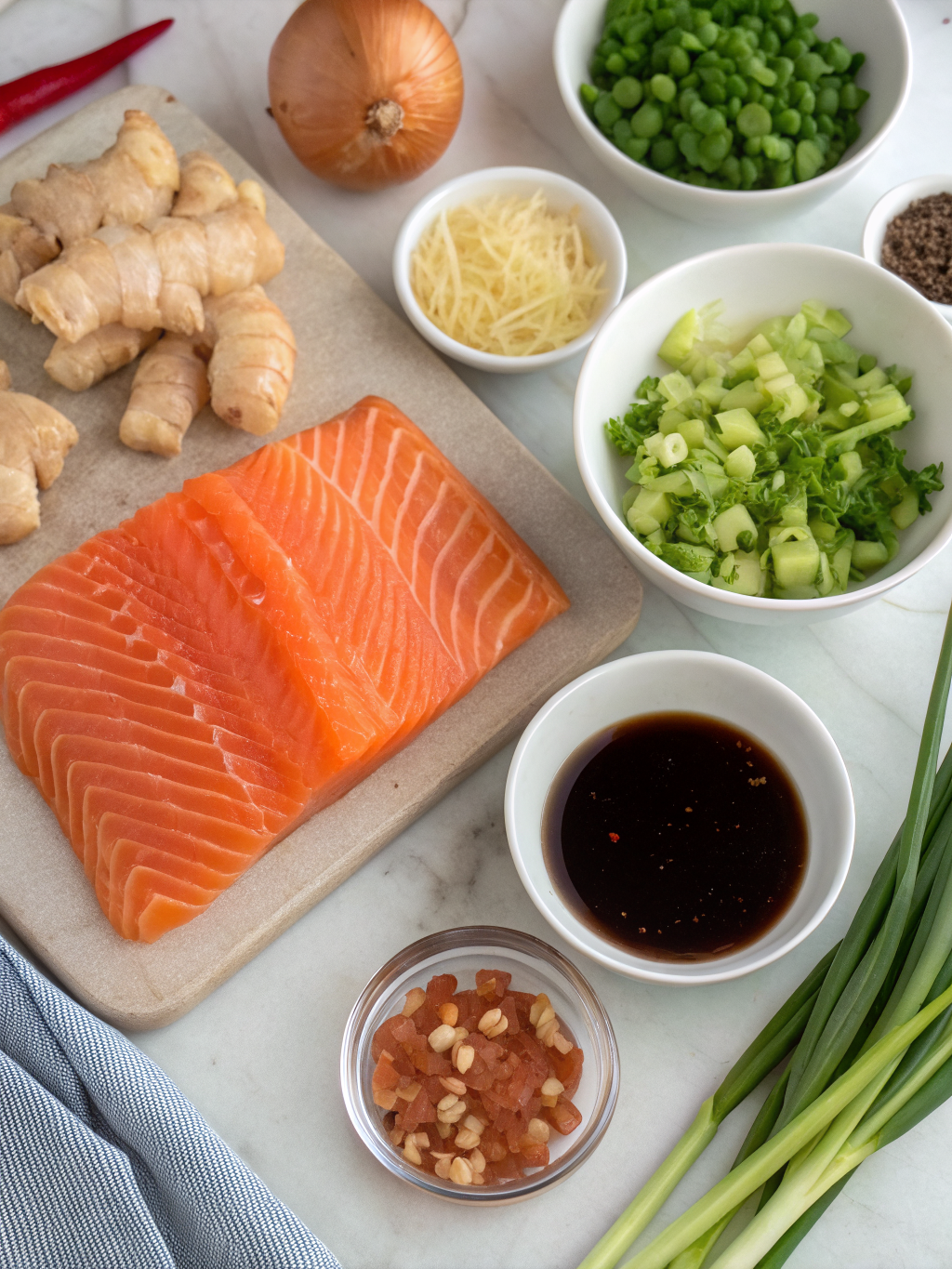
Below are all 7 quick Asian salmon recipes, each with its own distinct flavor profile. Follow the steps for whichever recipe calls to you tonight.
Step 1: Classic Teriyaki Salmon
Mix 3 tbsp soy sauce, 2 tbsp honey, 1 tsp sesame oil, and 1 minced garlic clove. Heat a non-stick skillet over medium-high heat. Cook salmon skin-side up for 4 minutes, flip, pour sauce over the fillet, and cook 3–4 more minutes until caramelized. A perfectly cooked Teriyaki salmon fillet should have a glossy, sticky glaze and flake easily with a fork.
Step 2: Miso-Glazed Salmon
Whisk together 1 tbsp white miso paste, 1 tbsp honey, 1 tbsp rice vinegar, and 1 tsp sesame oil. Brush generously onto salmon fillets. Broil on high for 8–10 minutes until the glaze bubbles and caramelizes. The miso adds a deeply savory, slightly sweet umami punch that’s absolutely addictive.
Step 3: Spicy Sriracha Honey Salmon
Combine 2 tbsp honey, 1 tbsp sriracha, 1 tbsp soy sauce, and 1 tsp minced ginger. Pan-sear salmon in a hot oiled skillet for 3–4 minutes per side. Spoon the sauce over the fish during the last 2 minutes of cooking. Garnish with sesame seeds and sliced green onions for a stunning presentation.
Step 4: Hoisin Ginger Salmon
Mix 2 tbsp hoisin sauce, 1 tsp grated ginger, 1 tsp sesame oil, and a squeeze of lime juice. Brush onto salmon and air fry at 400°F for 10 minutes. The air fryer creates a beautifully crispy exterior while keeping the inside moist and tender. This method is ideal for meal prep efficiency.
Step 5: Soy Garlic Butter Salmon
Melt 1 tbsp butter in a skillet, add 3 minced garlic cloves, and sauté 30 seconds. Add salmon, pour in 2 tbsp soy sauce and 1 tbsp rice vinegar. Cook 4 minutes per side, basting continuously. The butter creates a luxurious, silky sauce that bridges Asian and Western flavors beautifully.
Step 6: Sesame Chili Lime Salmon
Whisk 2 tbsp sesame oil, juice of 1 lime, 1 tbsp chili garlic sauce, and 1 tsp honey. Coat salmon fillets thoroughly. Broil or pan-sear for 8–10 minutes total. Finish with a sprinkle of toasted sesame seeds and fresh cilantro. This bright, zesty recipe is perfect for warm weather dining.
Step 7: Sweet Ginger Soy Glazed Salmon
Combine 3 tbsp soy sauce, 1 tbsp honey, 2 tsp fresh grated ginger, and 1 tsp rice vinegar. Simmer the sauce in a small pan for 2 minutes to thicken slightly. Pan-sear salmon 4 minutes per side, then drizzle the warm glaze over the top before serving. Simple, elegant, and deeply satisfying.
Nutritional Information
Salmon is one of the most nutrient-dense foods on the planet. Here’s the approximate nutritional profile per serving (one 6 oz fillet with sauce) across these recipes:
- Calories: 320–380 kcal
- Protein: 34–38g — exceeds 60% of the average daily protein recommendation
- Total Fat: 14–18g (primarily heart-healthy omega-3 fatty acids)
- Omega-3 Fatty Acids: 1,500–2,000mg — linked to reduced cardiovascular disease risk
- Carbohydrates: 10–16g (primarily from honey and soy sauce)
- Sodium: 480–620mg — use low-sodium soy sauce to reduce this significantly
- Vitamin D: ~70% of the recommended daily intake per serving
- B12: ~120% of the recommended daily intake per serving
According to the American Heart Association, eating fatty fish like salmon at least twice per week significantly reduces the risk of heart disease. These recipes make hitting that target genuinely enjoyable.
Healthier Alternatives for the Recipe
These recipes are already quite nutritious, but here are smart swaps to tailor them to specific dietary needs:
- Lower sodium: Replace regular soy sauce with coconut aminos — 73% less sodium with a similar flavor profile.
- Lower sugar: Swap honey for monk fruit sweetener or reduce the quantity by half.
- Gluten-free: Use tamari or certified gluten-free soy sauce in every recipe.
- Dairy-free: The Soy Garlic Butter recipe can use vegan butter or additional sesame oil.
- Higher protein: Serve alongside edamame or a soft-boiled egg for an extra protein boost.
- Lower calorie: Use a light cooking spray instead of oil and reduce sauce quantities by 25%.
- Keto-friendly: Replace honey and hoisin with sugar-free alternatives and serve over cauliflower rice.
Every asian salmon recipe in this collection can be adapted without losing its core identity. Flexibility is what makes this collection so enduringly useful.
Serving Suggestions
The right side dish transforms a great salmon recipe into a complete, memorable meal. Here are versatile pairing ideas for every occasion:
- Steamed jasmine or basmati rice: The classic base that absorbs sauces beautifully.
- Cauliflower rice: A low-carb alternative that doesn’t compromise texture or satisfaction.
- Stir-fried bok choy or broccolini: Quick to prepare and packed with complementary nutrients.
- Soba noodles with sesame dressing: Elevates the meal to a restaurant-level experience.
- Mango avocado salsa: Pairs especially well with the Sesame Chili Lime Salmon for a tropical twist.
- Cucumber ribbon salad with rice vinegar: Refreshing, light, and ready in under 5 minutes.
- Miso soup: A warming, gut-friendly starter that complements the Miso-Glazed Salmon perfectly.
For entertaining, arrange all seven salmon variations on a large platter with small bowls of each sauce. It creates a stunning, interactive dinner spread that guests will talk about long after the meal ends.
Common Mistakes to Avoid
Even experienced cooks make these errors when preparing Asian-style salmon. Avoid them to guarantee perfect results every time:
- Overcooking the salmon: Salmon is done when it reaches 125–130°F internally and flakes easily. Overcooking dries it out completely. Use a meat thermometer for precision.
- Skipping the pat-dry step: Always pat salmon fillets dry with paper towels before cooking. Excess moisture prevents proper searing and caramelization.
- Using cold salmon straight from the fridge: Let fillets sit at room temperature for 10 minutes before cooking. Cold fish cooks unevenly.
- Burning the sauce: High-sugar sauces (honey, hoisin) burn quickly. Add them in the last 2–3 minutes of cooking, not at the start.
- Using a cold pan: Always preheat your skillet before adding oil or salmon. A properly hot pan creates the golden crust that defines a great sear.
- Overcrowding the pan: Cook fillets with at least 1 inch of space between them. Crowding creates steam instead of a sear.
- Ignoring the skin: Salmon skin crisps up beautifully when cooked correctly. Start skin-side down for the best texture and presentation.
Storing Tips for the Recipe
Proper storage ensures your salmon stays delicious for days after cooking. Follow these best practices:
- Refrigerator storage: Place cooked salmon in an airtight container and refrigerate within 2 hours of cooking. It stays fresh for up to 3 days.
- Freezer storage: Wrap individual fillets tightly in plastic wrap, then place in a freezer-safe bag. Frozen cooked salmon keeps well for up to 2 months.
- Reheating tip: Reheat gently in a covered skillet over low heat with a splash of water or extra sauce. Avoid the microwave — it toughens the texture significantly.
- Meal prep strategy: Pre-mix all sauces and store them in small jars in the refrigerator for up to 1 week. This reduces active cooking time to under 10 minutes on busy nights.
- Raw salmon storage: Store uncooked fillets in the coldest part of your refrigerator and use within 1–2 days of purchase for peak freshness and food safety.
Leftover salmon is also exceptional cold — flake it over salads, tuck it into rice paper rolls, or stir it into fried rice for a completely new meal the next day.