10 Pro Rules: Best Beef Brisket Recipe Oven
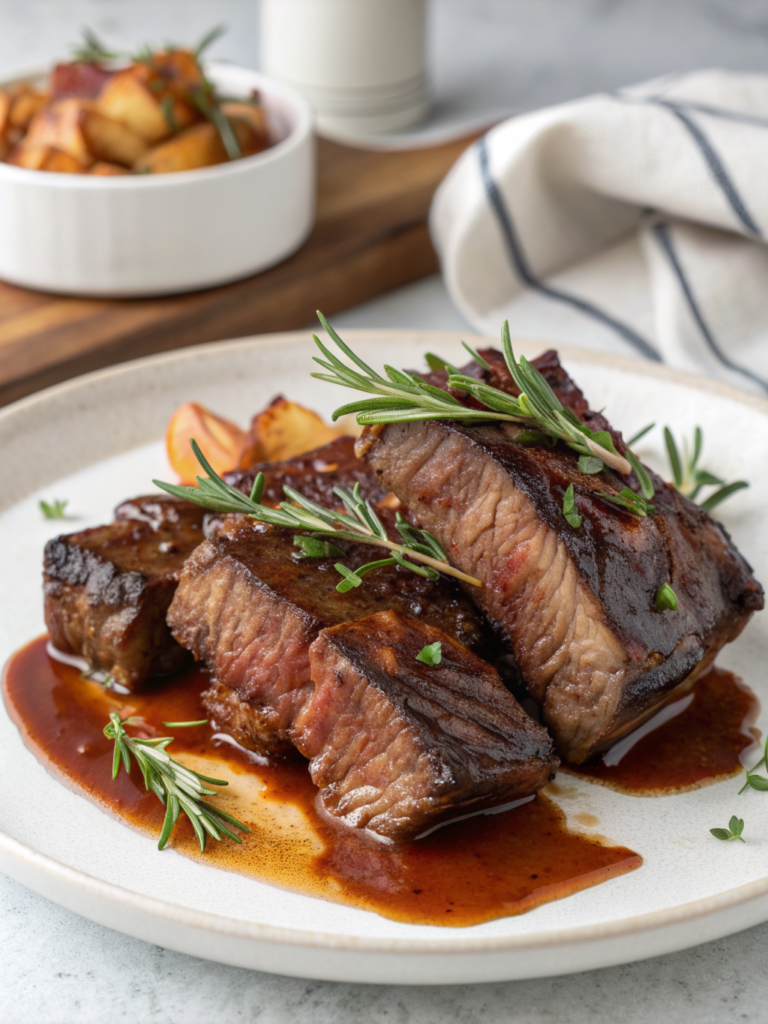
Have you ever spent hours cooking beef brisket only to end up with a dry, tough, disappointing slab of meat? You’re not alone — and the good news is, it doesn’t have to be that way. Mastering a beef brisket recipe oven style is one of the most rewarding cooking achievements you can unlock. With the right techniques, your kitchen can produce brisket that rivals any BBQ joint — tender, juicy, and packed with deep, smoky flavor.
Whether you’re a seasoned home cook or a complete beginner, these 10 pro rules will transform the way you approach oven-baked brisket forever. Let’s dive in.
Ingredients List
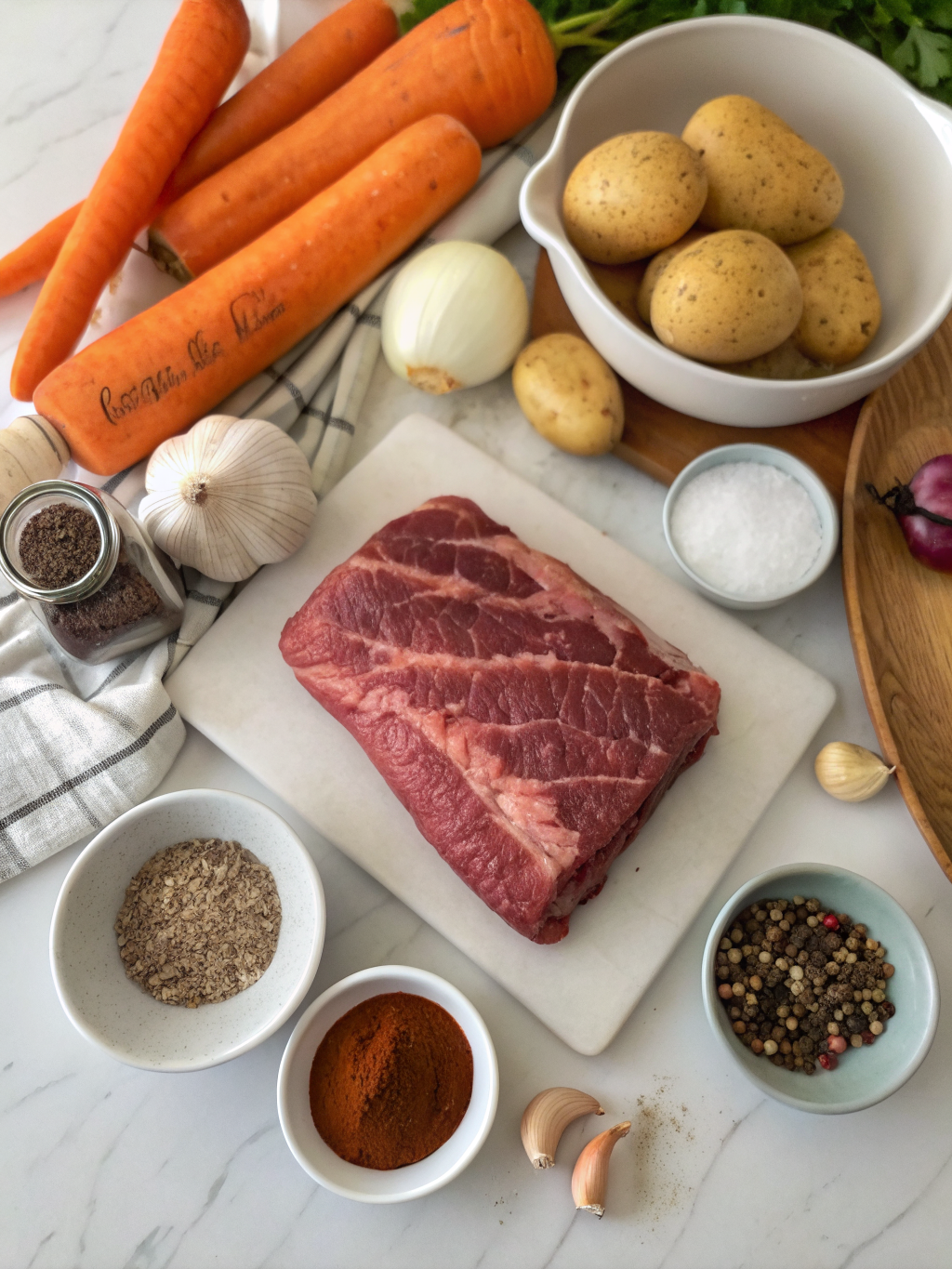
Gathering the right ingredients is the foundation of any great brisket. Here’s everything you’ll need for a show-stopping oven brisket that serves 8–10 people:
- 1 whole beef brisket (5–6 lbs) — flat cut or point cut; flat cut is leaner, point cut is fattier and more flavorful
- 2 tablespoons olive oil — or avocado oil for a higher smoke point
- 2 tablespoons kosher salt
- 1 tablespoon black pepper, coarsely ground
- 1 tablespoon smoked paprika — regular paprika works but smoked adds depth
- 1 tablespoon garlic powder
- 1 tablespoon onion powder
- 1 teaspoon cayenne pepper — reduce to ½ tsp for a milder profile
- 1 teaspoon cumin
- 2 cups beef broth — low-sodium preferred; vegetable broth works as a substitute
- 1 cup red wine — or substitute with additional beef broth for alcohol-free version
- 3 tablespoons Worcestershire sauce
- 4 cloves garlic, minced
- 2 large onions, sliced
- 2 tablespoons tomato paste
- Fresh thyme and rosemary sprigs — dried herbs work in a pinch (use 1 tsp each)
Pro Tip: If you prefer a sweeter bark on your brisket, add 1 tablespoon of brown sugar to your dry rub. It caramelizes beautifully during the long roast.
Timing
One of the most common questions about beef brisket recipe oven methods is simply: how long does it take? Here’s a clear breakdown:
- Prep Time: 20–30 minutes (plus optional overnight marinating)
- Cooking Time: 4–5 hours at 300°F (150°C)
- Resting Time: 30–60 minutes
- Total Time: Approximately 5–6 hours active day-of cooking
While this may seem lengthy, the actual hands-on time is minimal — the oven does the heavy lifting. Studies from culinary institutions suggest that brisket cooked low and slow at 275–300°F retains up to 30% more moisture than brisket cooked at higher temperatures. Patience truly is the secret ingredient here.
Step-by-Step Instructions
Step 1: Choose and Trim Your Brisket
Select a brisket with a good fat cap — at least ¼ inch thick. Trim any excess fat above ½ inch, but don’t remove it entirely. The fat cap bastes the meat throughout cooking, keeping it incredibly moist. A well-marbled brisket will always outperform a lean one in flavor and texture.
Step 2: Make Your Dry Rub
Combine salt, pepper, smoked paprika, garlic powder, onion powder, cayenne, and cumin in a small bowl. Mix thoroughly. This rub creates the flavorful crust — known as the “bark” — that every great brisket needs. Don’t be shy with it; press it firmly into every surface of the meat.
Step 3: Apply the Rub and Rest (Overnight Preferred)
Coat the brisket generously with olive oil, then apply the dry rub all over. Wrap tightly in plastic wrap and refrigerate for at least 2 hours — but overnight (8–12 hours) delivers dramatically better flavor penetration. This step is non-negotiable if you want competition-level results.
Step 4: Preheat Your Oven and Sear the Brisket
Preheat your oven to 300°F (150°C). Heat a large oven-safe Dutch oven or roasting pan over high heat. Add a splash of oil and sear the brisket fat-side down for 4–5 minutes, then flip and sear all sides. This Maillard reaction creates hundreds of complex flavor compounds that define a truly great brisket.
Step 5: Build Your Braising Liquid
Remove the brisket temporarily. In the same pan, sauté sliced onions until golden (about 5 minutes). Add minced garlic and tomato paste, cooking for 1 minute. Pour in beef broth, red wine, and Worcestershire sauce. Stir to combine, scraping up all the browned bits from the bottom — those bits are pure flavor gold.
Step 6: Low and Slow Oven Roast
Return the brisket to the pan, fat-side up. Add thyme and rosemary sprigs. The liquid should come about halfway up the sides of the meat. Cover tightly with a lid or double layer of heavy-duty aluminum foil. This is the heart of the low and slow oven beef brisket method — sealed moisture creates a self-basting environment that produces extraordinary tenderness.
Step 7: Monitor Internal Temperature
After 3.5 hours, check the brisket’s internal temperature using a meat thermometer. You’re targeting 195–205°F (90–96°C) for slicing, or 210°F (99°C) if you prefer pull-apart tender brisket. Never rely solely on time — every brisket is different. Temperature is your most reliable guide to doneness.
Step 8: Uncover and Caramelize
Once the brisket hits 185°F, remove the foil or lid and increase oven temperature to 375°F. Roast uncovered for an additional 20–30 minutes. This step develops a gorgeous, caramelized exterior crust that adds textural contrast to the tender interior. Watch it closely to prevent burning.
Step 9: Rest the Meat — This Is Non-Negotiable
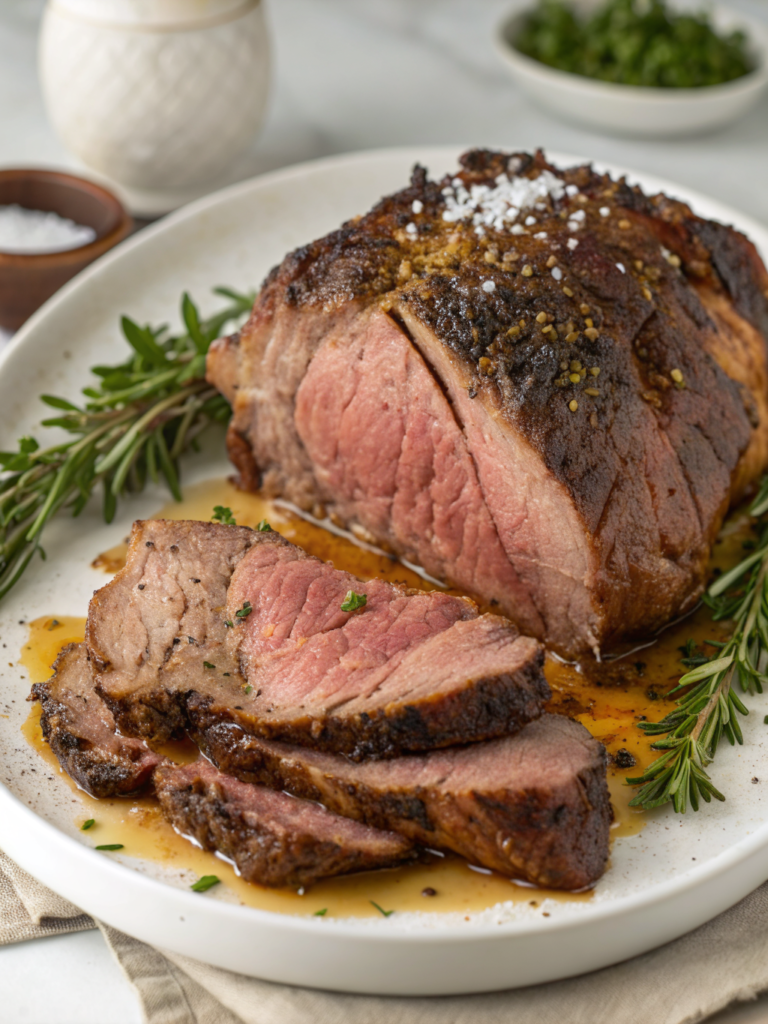
Remove the brisket from the oven and tent loosely with foil. Rest for a minimum of 30 minutes, ideally 60 minutes. Resting allows the muscle fibers to relax and reabsorb juices that would otherwise run out when sliced. Cutting too early is the single most common mistake that ruins an otherwise perfect brisket.
Step 10: Slice Against the Grain
Identify the direction of the muscle fibers (the grain) and slice perpendicular to them. This shortens the muscle fibers in each slice, making every bite tender and easy to chew. Use a sharp carving knife and aim for slices about ¼ inch thick. Serve immediately with the reduced pan juices drizzled on top.
Nutritional Information
The following nutritional values are approximate per serving (based on 10 servings from a 5–6 lb brisket, without added sauces):
- Calories: 420 kcal
- Protein: 48g
- Total Fat: 22g
- Saturated Fat: 8g
- Carbohydrates: 4g
- Fiber: 0.5g
- Sodium: 680mg
- Iron: 20% of Daily Value
- Zinc: 35% of Daily Value
Beef brisket is an excellent source of high-quality complete protein, providing all essential amino acids. It’s also rich in B vitamins, particularly B12 and niacin, which support energy metabolism and neurological function. The collagen in brisket, when slow-cooked, converts to gelatin — which supports joint and gut health.
Healthier Alternatives for the Recipe
Want to enjoy this incredible dish with a lighter nutritional profile? Here are some smart swaps that preserve flavor without sacrificing your health goals:
- Reduce sodium: Use low-sodium beef broth and cut the kosher salt to 1 tablespoon. Add more herbs and spices to compensate for depth of flavor.
- Trim more fat: Ask your butcher to trim the fat cap to ⅛ inch instead of ¼ inch. You’ll save roughly 50–70 calories per serving.
- Skip the wine: Replace red wine with pomegranate juice or additional beef broth for a rich, alcohol-free braising liquid.
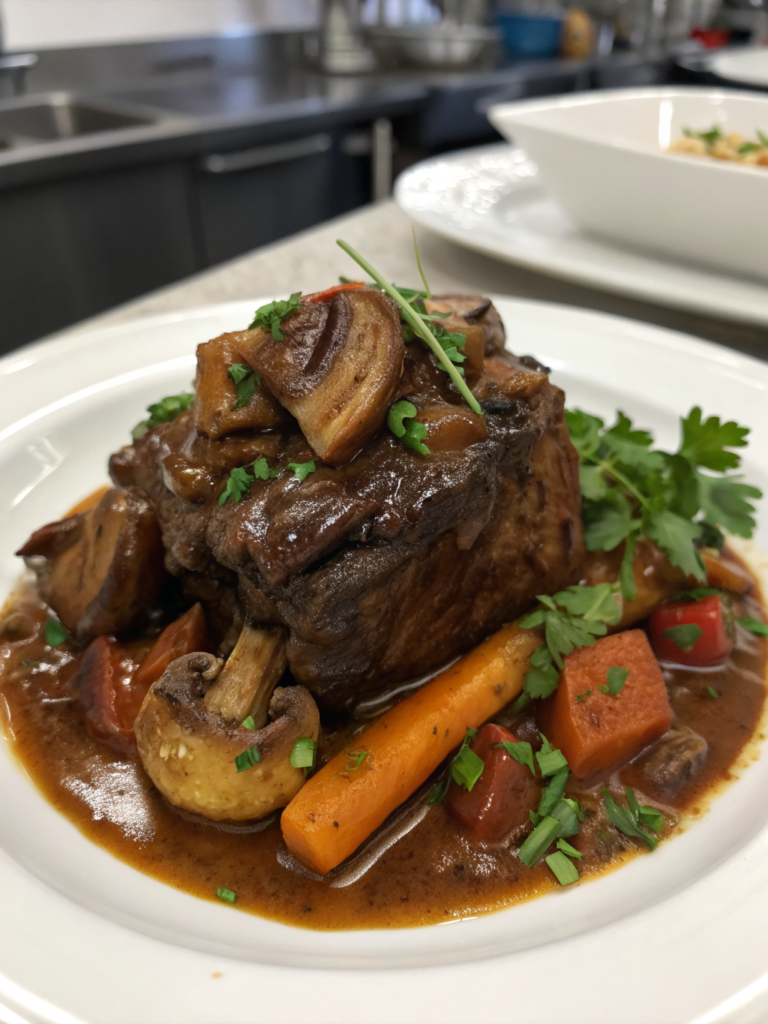
- Add vegetables: Layer carrots, celery, and parsnips in the braising pan. They absorb the cooking juices and create a built-in side dish that adds fiber and micronutrients.
- Use a leaner cut: The flat cut of brisket is significantly leaner than the point cut. It’s an excellent choice for those monitoring fat intake.
Serving Suggestions
A perfectly cooked beef brisket recipe oven deserves equally impressive accompaniments. Here are some crowd-pleasing serving ideas:
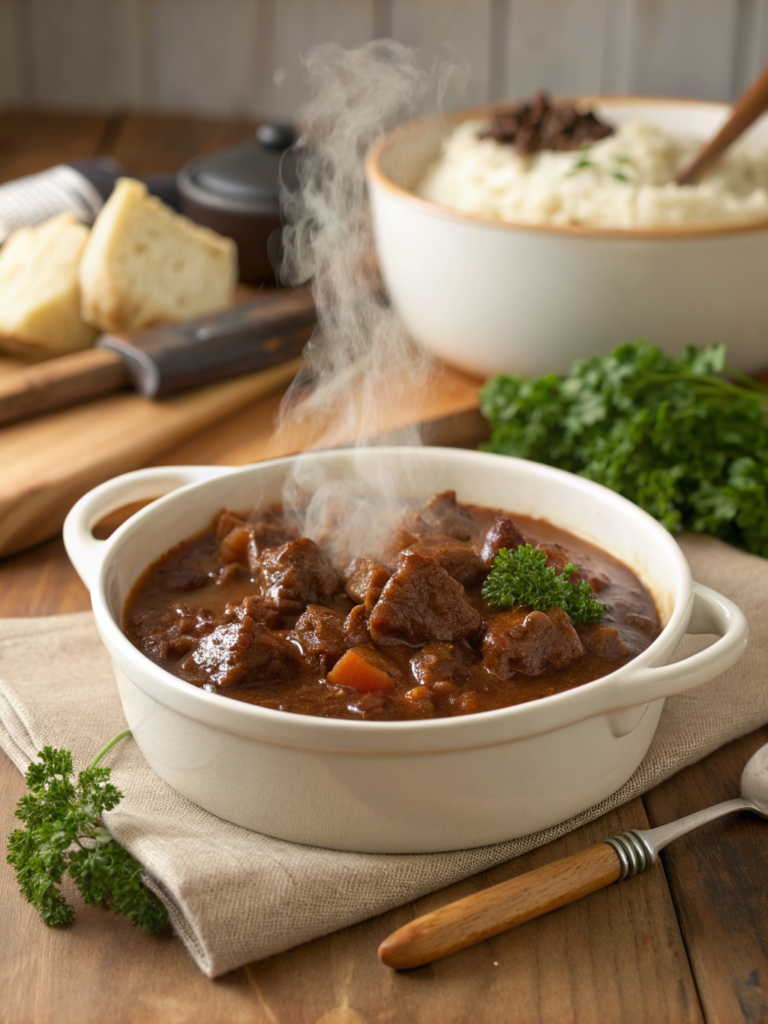
- Classic Comfort: Serve thick slices over creamy mashed potatoes with a ladle of reduced pan juices as gravy. Add roasted root vegetables on the side.
- BBQ Style: Slice or chop the brisket and pile it onto toasted brioche buns with coleslaw and pickles for unforgettable sandwiches.
- Taco Night: Shred the brisket and serve in warm corn tortillas with diced white onion, fresh cilantro, and a squeeze of lime juice.
- Low-Carb Option: Serve sliced brisket over cauliflower mash with steamed green beans and a drizzle of horseradish cream sauce.
- Elegant Dinner Party: Plate thin slices fanned over a bed of creamy polenta, garnished with fresh herbs and a red wine reduction.
Brisket also makes exceptional leftovers. The flavor deepens overnight, making next-day brisket hash, fried rice, or grain bowls absolutely spectacular.
Common Mistakes to Avoid
Even experienced cooks stumble with brisket. Avoid these critical errors to ensure your beef brisket recipe oven turns out perfectly every single time:
- Cooking at too high a temperature: Anything above 325°F risks drying out the brisket before the collagen has time to break down. Always go low and slow.
- Skipping the sear: Searing develops the Maillard reaction, creating hundreds of flavor compounds. Never skip this step — it takes only 10 minutes and makes a massive difference.
- Not enough liquid: The braising liquid should reach halfway up the brisket. Too little liquid causes the bottom to scorch and the meat to dry out.
- Cutting with the grain: Slicing with the grain produces chewy, stringy meat. Always identify and cut against the grain for maximum tenderness.
- Skipping the rest period: Cutting immediately after cooking causes all the accumulated juices to pour out onto the cutting board instead of staying in the meat.
- Using a cheap cut without marbling: Lean brisket with minimal intramuscular fat will never achieve the same richness as a well-marbled piece. Invest in quality meat.
- Not seasoning aggressively enough: Brisket is a large, dense cut. Under-seasoning results in bland interior meat. Be bold with your dry rub and don’t be afraid of salt.
Storing Tips for the Recipe
Brisket stores beautifully, making it an ideal meal-prep protein. Follow these best practices to maintain maximum flavor and food safety:
- Refrigerator Storage: Store leftover brisket in an airtight container with some of the braising liquid poured over it. This keeps it moist for up to 4 days.
- Freezer Storage: Slice the brisket before freezing, then store in freezer-safe bags with braising liquid. Properly stored, it maintains excellent quality for up