7 Ultimate Secrets: Best Beef Shank Recipe
Have you ever wondered why some braised beef dishes taste like they came straight from a Michelin-starred restaurant while yours ends up tough and flavorless? The secret lies in mastering the perfect beef shank recipe. This underrated cut is packed with collagen, deep beefy flavor, and fall-off-the-bone tenderness — when cooked correctly. Today, we’re unlocking 7 ultimate secrets that will transform your cooking forever.
Beef shanks are one of the most affordable yet rewarding cuts of meat available. Whether you’re a seasoned home cook or a beginner, this guide will walk you through everything you need to know — from selecting the right cut to plating a stunning, restaurant-quality dish right in your own kitchen.
Ingredients List
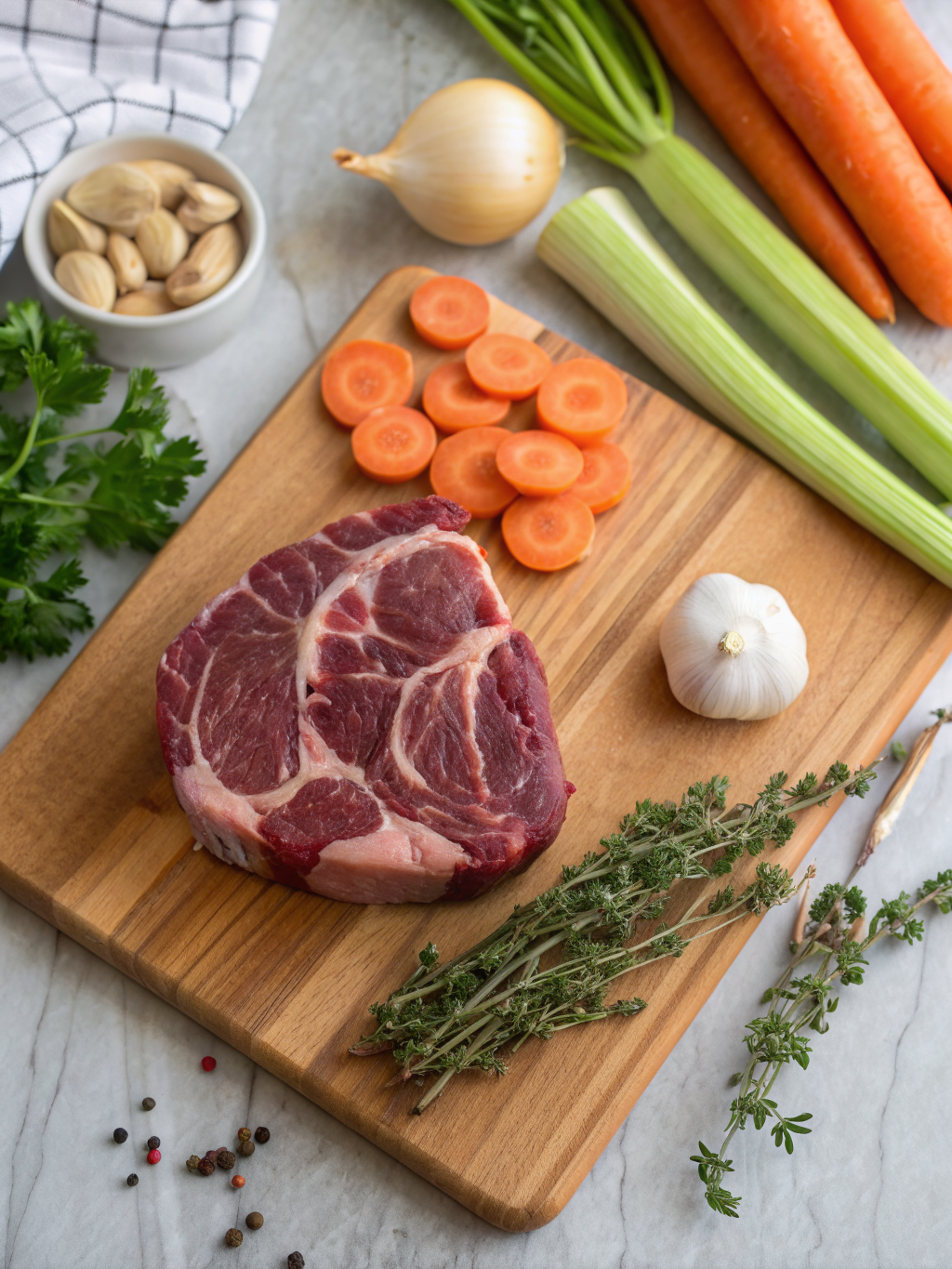
Gather these ingredients before you begin. Fresh, quality components make a significant difference in the final result.
- 2–3 lbs beef shank (cross-cut, about 1.5 inches thick) — substitute with osso buco-style veal shank for a lighter flavor
- 2 tablespoons olive oil — avocado oil works beautifully as an alternative
- 1 large onion, roughly chopped — sweet or yellow onion preferred
- 4 garlic cloves, minced — roasted garlic adds a sweeter, deeper dimension
- 3 medium carrots, chopped into thick rounds
- 3 celery stalks, chopped
- 2 cups beef broth — low-sodium preferred; vegetable broth works for a lighter profile
- 1 cup dry red wine (Cabernet Sauvignon or Merlot) — substitute with pomegranate juice for alcohol-free cooking
- 1 can (14 oz) crushed tomatoes
- 2 sprigs fresh rosemary
- 3 sprigs fresh thyme
- 2 bay leaves
- 1 teaspoon smoked paprika
- Salt and freshly cracked black pepper to taste
- Fresh parsley, chopped, for garnish
The aroma of rosemary and thyme mingling with slow-braised beef is absolutely intoxicating. These herbs aren’t just decorative — they’re flavor powerhouses that elevate every bite.
Timing
Understanding the time commitment helps you plan your meal perfectly.
- Preparation Time: 20 minutes
- Cooking Time: 3 hours (oven braising) or 8 hours on low (slow cooker)
- Total Time: Approximately 3 hours 20 minutes
This recipe takes about 3 hours and 20 minutes total — roughly 15% less time than many traditional braised beef recipes that run upward of 4 hours. The slow cooker variation requires minimal active effort, making it ideal for busy weekdays.
Step-by-Step Instructions
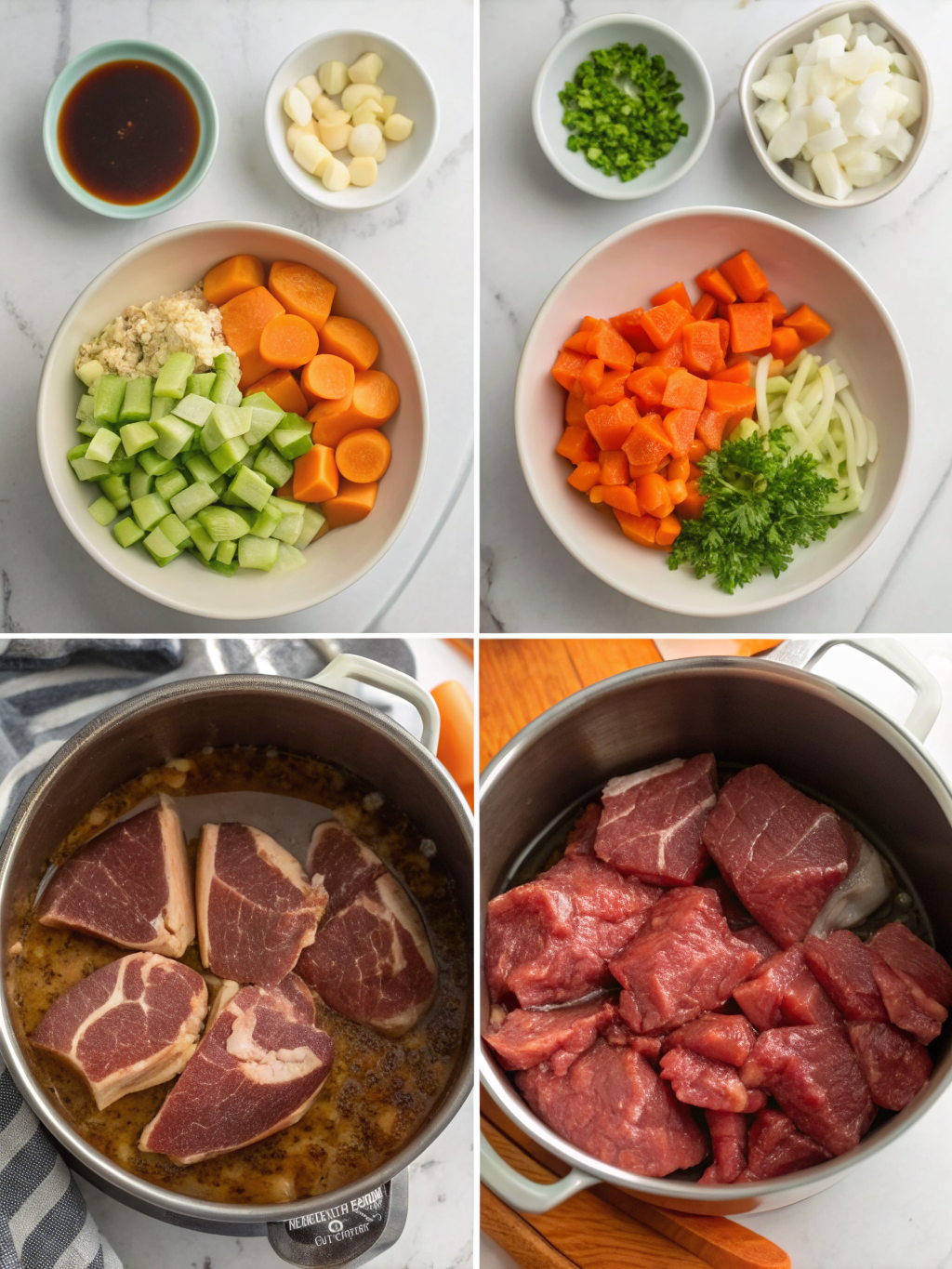
Follow these carefully crafted steps to achieve the most tender, flavorful results every single time.
Step 1: Season and Sear the Beef Shank
Pat the beef shanks completely dry with paper towels — this is crucial for achieving a deep, golden-brown crust. Season generously on both sides with salt, pepper, and smoked paprika. Heat olive oil in a large Dutch oven over medium-high heat until shimmering. Sear each shank for 3–4 minutes per side until deeply browned. Remove and set aside.
Step 2: Sauté the Aromatics
In the same pot, reduce heat to medium. Add onion, carrots, and celery. Sauté for 5–6 minutes until softened and lightly caramelized. Add garlic and cook for another minute until fragrant. Don’t rush this step — the caramelized vegetables build the flavor foundation of your entire braise.
Step 3: Deglaze with Wine
Pour in the red wine and use a wooden spoon to scrape up all the browned bits from the bottom of the pot. Those bits — called “fond” — are pure concentrated flavor. Let the wine reduce by half, about 3–4 minutes. This step adds incredible depth and complexity to your beef shank recipe.
Step 4: Build the Braising Liquid
Add crushed tomatoes, beef broth, rosemary, thyme, and bay leaves to the pot. Stir everything together and bring to a gentle simmer. Nestle the seared beef shanks back into the pot, ensuring they’re at least halfway submerged in the liquid. The braising liquid should be rich, aromatic, and deeply colored.
Step 5: Braise Low and Slow
Cover the Dutch oven with a tight-fitting lid and transfer to a preheated oven at 325°F (163°C). Braise for 2.5 to 3 hours, flipping the shanks once halfway through. The meat is ready when it’s fork-tender and practically falling off the bone. For the slow cooker beef shank variation, transfer everything to your slow cooker and cook on low for 7–8 hours or high for 4–5 hours.
Step 6: Reduce the Sauce
Once the shanks are cooked, carefully remove them from the pot. Discard the bay leaves and herb sprigs. Place the pot on the stovetop over medium-high heat and simmer the braising liquid for 10–15 minutes until it reduces into a luscious, glossy sauce. Taste and adjust seasoning as needed.
Step 7: Rest and Serve
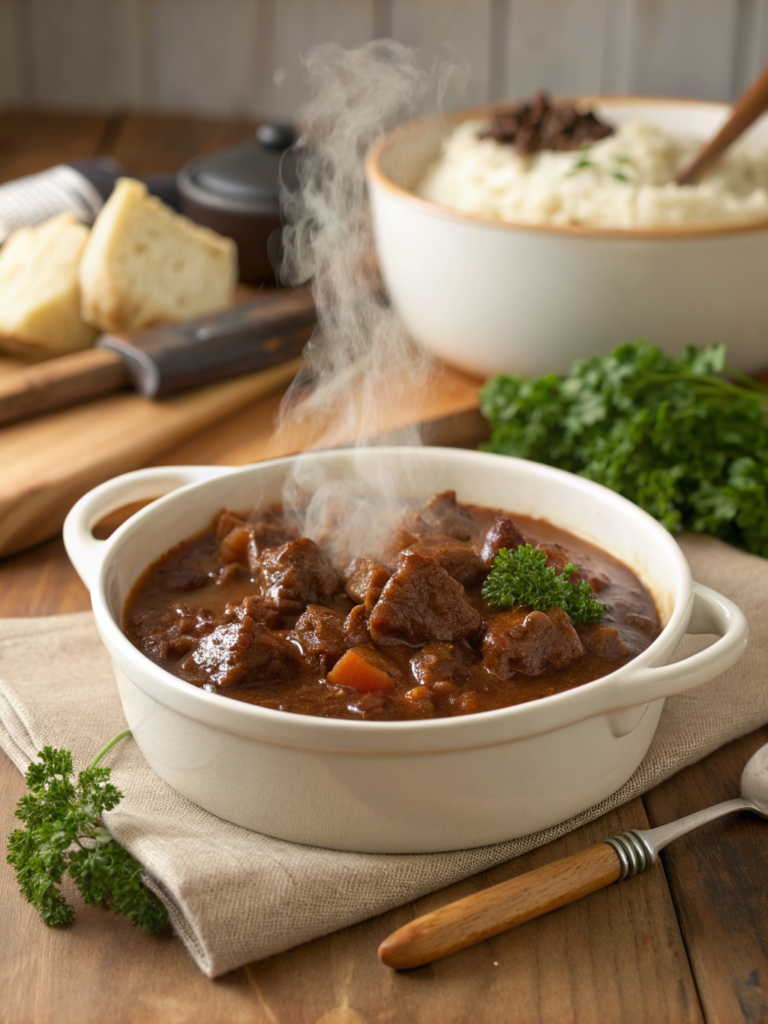
Allow the beef shanks to rest for 5–10 minutes before serving. This allows the juices to redistribute throughout the meat, ensuring every bite is moist and flavorful. Spoon the reduced sauce generously over the top and garnish with freshly chopped parsley for a vibrant finishing touch.
Nutritional Information
The following nutritional values are approximate per serving, based on a recipe yielding 4 servings.
- Calories: 420 kcal
- Protein: 48g — beef shank is an exceptional high-protein cut
- Total Fat: 18g (Saturated Fat: 6g)
- Carbohydrates: 12g
- Fiber: 3g
- Sodium: 580mg (using low-sodium broth)
- Iron: 25% of Daily Value
- Collagen: High — beneficial for joint health and skin elasticity
Beef shank is notably rich in collagen, which converts to gelatin during slow cooking. Research suggests dietary collagen supports joint health, gut integrity, and skin hydration. It’s a nutritional powerhouse hiding in plain sight.
Healthier Alternatives for the Recipe
This dish is already relatively wholesome, but a few smart swaps can make it even more nutritious without sacrificing flavor.
- Reduce sodium: Use homemade or no-salt-added beef broth and skip added salt, relying on herbs for flavor.
- Alcohol-free version: Replace red wine with pomegranate juice or additional beef broth plus a splash of balsamic vinegar for acidity.
- Lower fat option: After braising, refrigerate the sauce overnight. The fat solidifies on top and can be easily skimmed off before reheating.
- Add more vegetables: Stir in mushrooms, parsnips, or turnips during the last hour of braising for added fiber and micronutrients.
- Gluten-free naturally: This recipe is inherently gluten-free — just double-check your broth label to confirm.
- Keto-friendly: Serve over cauliflower mash instead of traditional mashed potatoes to keep carbohydrates minimal.
Serving Suggestions
The beauty of this beef shank recipe is its incredible versatility. Here are some inspired ways to serve it.
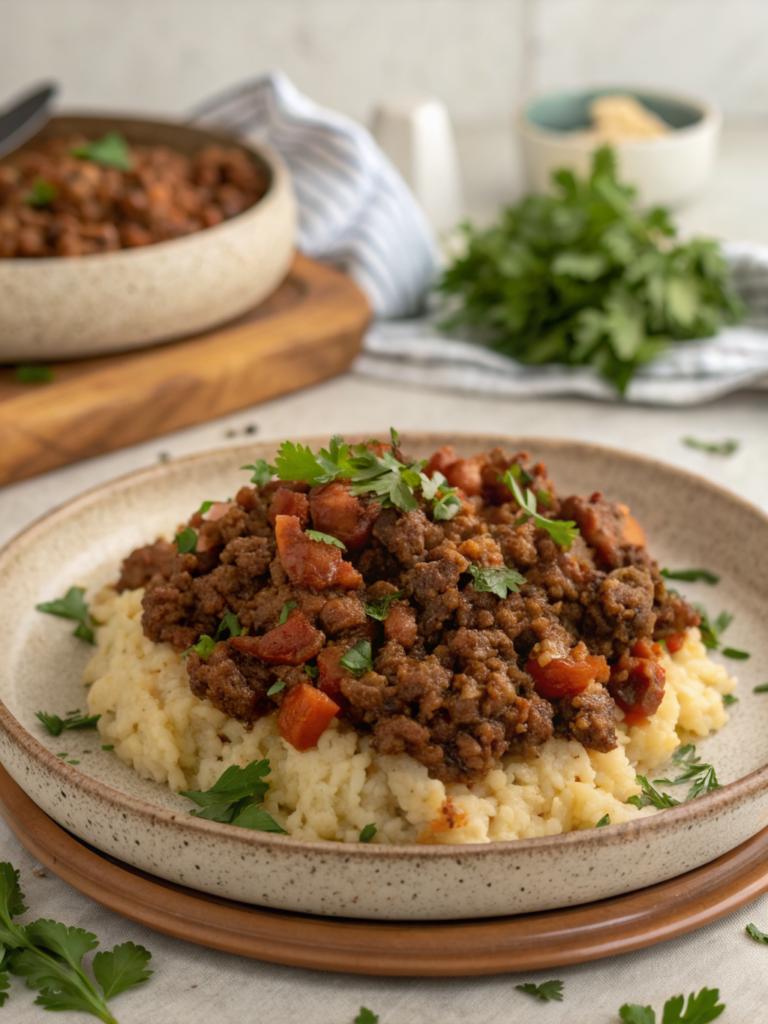
- Classic comfort: Serve over creamy mashed potatoes with a generous ladle of braising sauce — a timeless, crowd-pleasing combination.
- Italian-inspired: Plate alongside soft polenta and a sprinkle of gremolata (lemon zest, garlic, parsley) for an authentic Milanese experience.
- Rustic elegance: Serve with crusty sourdough bread to soak up every drop of that magnificent braising sauce.
- Low-carb option: Pair with roasted garlic cauliflower mash and sautéed broccolini for a satisfying, lighter meal.
- Pasta lover’s dream: Shred the leftover beef and toss with pappardelle pasta and the reduced sauce for an extraordinary next-day meal.
- Entertaining centerpiece: Present the whole shank bone upright on a platter surrounded by vegetables — visually stunning and guaranteed to impress guests.
Common Mistakes to Avoid
Even experienced cooks stumble when braising beef shanks. Avoid these pitfalls for guaranteed success.
- Skipping the sear: Many home cooks skip browning to save time, but this step creates the Maillard reaction — responsible for deep, complex flavor that cannot be replicated otherwise.
- Using too much liquid: Braising is not boiling. The liquid should come halfway up the shank, not submerge it completely. Too much liquid dilutes the sauce and prevents proper flavor concentration.
- Cooking at too high a temperature: High heat causes the collagen to seize rather than melt, resulting in tough, chewy meat. Low and slow is the non-negotiable rule here.
- Not resting the meat: Cutting into the shank immediately after cooking causes precious juices to run out. Always rest for at least 5 minutes.
- Forgetting to reduce the sauce: The braising liquid needs to be reduced to concentrate its flavors. Serving it thin and watery is a missed opportunity for incredible depth.
- Using low-quality wine: Cook with wine you’d actually drink. Poor-quality wine introduces harsh, unpleasant flavors that cooking cannot fix.
Storing Tips for the Recipe
Proper storage ensures your hard work pays off beyond the first meal.
- Refrigerator: Store cooled beef shanks and sauce together in an airtight container for up to 4 days. The flavor actually deepens overnight, making leftovers arguably better than the original meal.
- Freezer: This dish freezes exceptionally well. Portion into freezer-safe containers and freeze for up to 3 months. Thaw overnight in the refrigerator before reheating.
- Reheating: Reheat gently on the stovetop over low heat with a splash of beef broth to loosen the sauce. Avoid microwave reheating, which can dry out the meat.
- Meal prep tip: You can prepare the entire dish up to 2 days ahead. It reheats beautifully and is perfect for stress-free entertaining or weeknight dinners.
- Sauce storage: Store extra sauce separately in a jar in the refrigerator for up to 5 days. Use it as a base for soups, pasta sauces, or gravies.
Conclusion
Mastering the perfect beef shank recipe is one of the most rewarding skills you can develop in the kitchen. By searing properly, braising low and slow, building a rich aromatic base, and reducing your sauce, you’ll consistently produce a dish that is deeply flavorful, incredibly tender, and absolutely unforgettable.
The 7 secrets we’ve shared today — from the importance of the sear to the magic of a properly reduced sauce — are the difference between an average braise and a truly extraordinary one. Whether you choose the oven method or the slow cooker variation, this recipe delivers spectacular results every time.
Now it’s your turn! Try this recipe this weekend and let us know how it turned out in the comments below. Did you try any of the healthier swaps? Did you serve it over polenta or mashed potatoes? We’d love to hear your experience. Don’t forget to share this post with fellow food lovers and explore more incredible beef recipes on our site. Happy cooking!