Best Beef Striploin Steak Recipe: 5 Epic Tips
What if everything you thought you knew about cooking the perfect steak was holding you back? Most home cooks overcomplicate it — or worse, underprepare. The truth is, a flawless beef striploin steak recipe comes down to just five master techniques that professional chefs swear by. Follow these tips, and you’ll never serve a disappointing steak again.
The beef striploin — also known as the New York strip — is one of the most beloved cuts in the world. It strikes the perfect balance between tenderness and bold, beefy flavor. Whether you’re cooking for a weeknight dinner or a special occasion, mastering this cut will elevate your entire cooking game.
Ingredients List
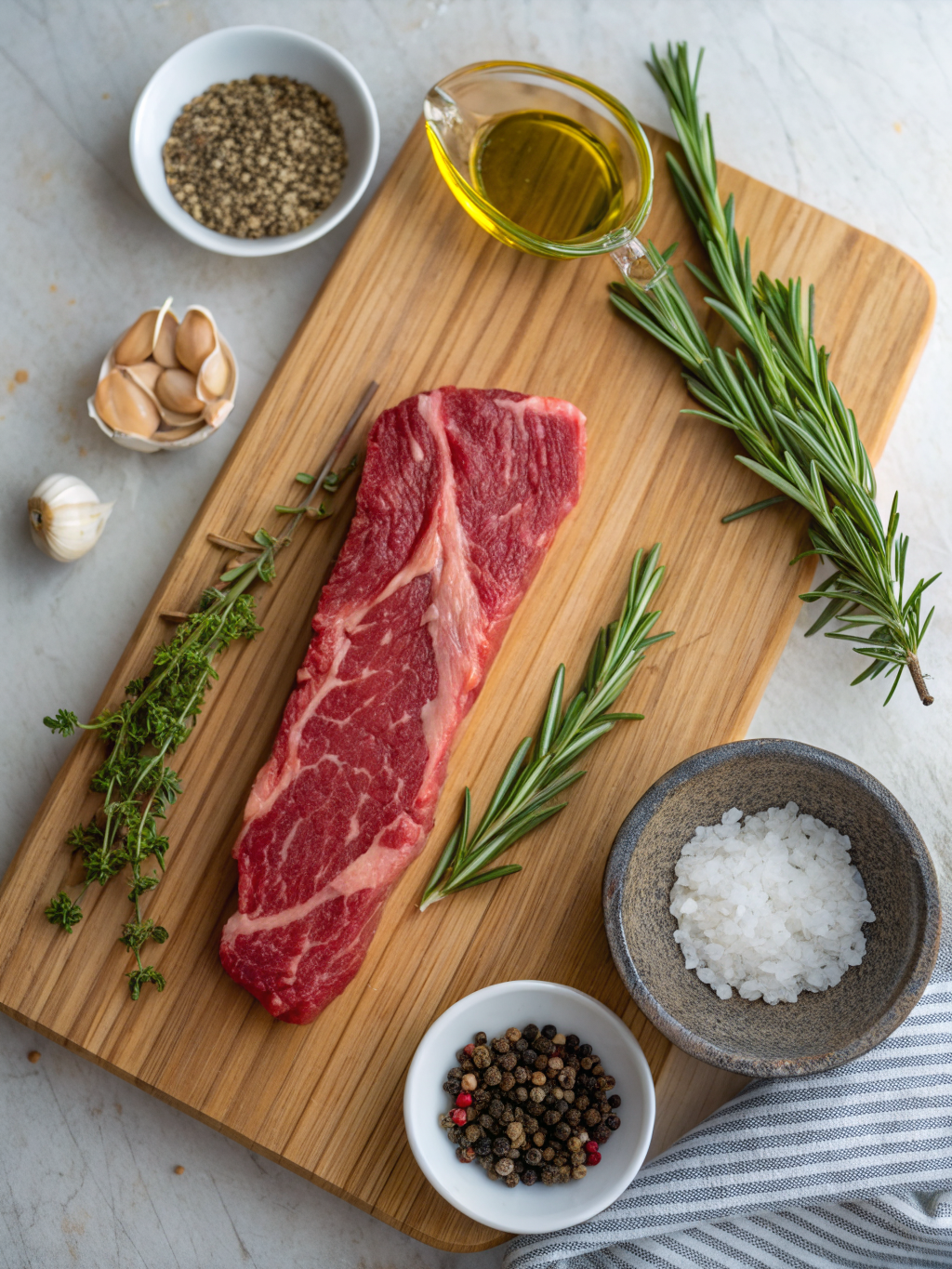
Gather these simple, high-quality ingredients before you begin. The secret to a great steak starts at the grocery store — always choose the best you can afford.
- 2 beef striploin steaks (about 1–1.5 inches thick, 10–12 oz each) — look for good marbling for maximum flavor
- 2 tablespoons olive oil — or substitute with avocado oil for a higher smoke point
- 2 tablespoons unsalted butter — European-style butter adds extra richness
- 4 garlic cloves, lightly crushed — or substitute 1 tsp garlic powder in a pinch
- 4 sprigs fresh thyme — rosemary works beautifully as an alternative
- 2 sprigs fresh rosemary
- 1.5 teaspoons coarse kosher salt — sea salt or Himalayan pink salt are great substitutes
- 1 teaspoon freshly cracked black pepper
- ½ teaspoon smoked paprika (optional, for a subtle smoky depth)
- Flaky sea salt for finishing — Maldon is a top choice
Pro tip: If you can source dry-aged striploin from a local butcher, do it. The concentrated flavor is absolutely worth the upgrade. For a dairy-free version, skip the butter and use ghee or a high-quality plant-based alternative.
Timing
One of the biggest advantages of this recipe is how quickly it comes together without sacrificing quality.
- Preparation Time: 10 minutes (plus 30–45 minutes resting at room temperature)
- Cooking Time: 8–12 minutes
- Total Active Time: Approximately 20–25 minutes
- Total Time (including rest): Under 60 minutes
That’s roughly 30% less total time than the average restaurant-style steak recipe, which often calls for extended marinades or oven-finishing steps. This streamlined approach delivers steakhouse results in your own kitchen — fast.
Step-by-Step Instructions
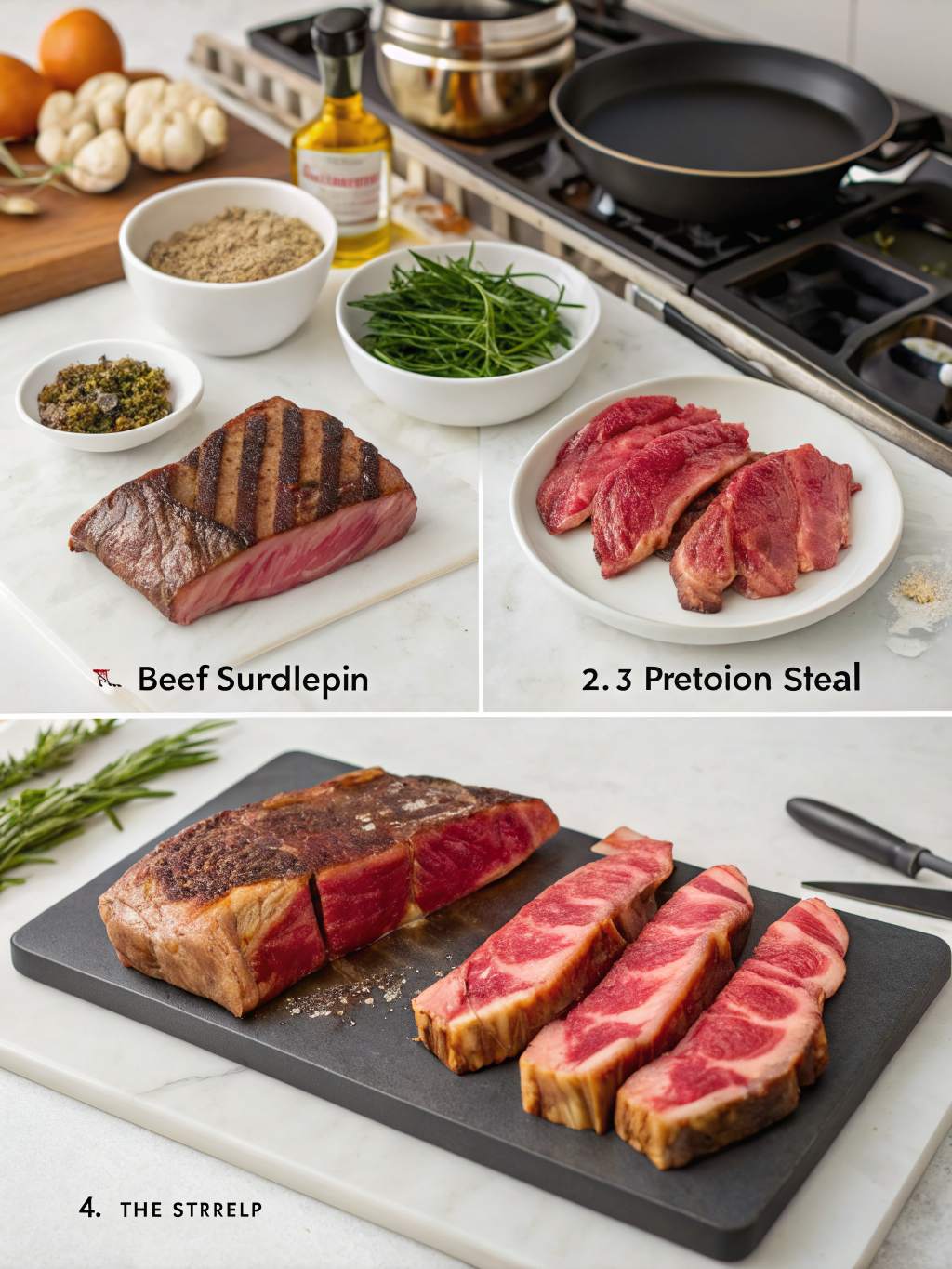
Follow these five master steps carefully. Each one is designed to build on the last, creating a steak that’s perfectly seared, deeply flavorful, and cooked exactly to your liking.
Step 1: Bring the Steak to Room Temperature
Remove your striploin steaks from the refrigerator 30–45 minutes before cooking. This is non-negotiable. A cold steak hitting a hot pan creates uneven cooking — you’ll end up with an overcooked exterior and a raw center. Room temperature steaks cook more evenly and develop a better crust.
Pat the steaks completely dry with paper towels. Moisture is the enemy of a good sear. Any surface moisture will steam the steak instead of searing it, robbing you of that gorgeous, caramelized crust.
Step 2: Season Generously and Confidently
Season both sides and the edges of each steak with kosher salt, cracked black pepper, and smoked paprika if using. Don’t be shy — steaks are thick cuts, and they need bold seasoning to penetrate the meat. Press the seasoning gently into the surface so it adheres well.
For best results, season at least 40 minutes before cooking (the salt draws out moisture, then reabsorbs it, seasoning the meat internally) or season right before cooking. Avoid the 5–30 minute window — that’s when the drawn-out moisture hasn’t reabsorbed yet.
Step 3: Get Your Pan Screaming Hot
Place a cast-iron skillet or heavy stainless steel pan over high heat for 2–3 minutes until it’s extremely hot. Add the olive oil and swirl to coat. You want to see a faint wisp of smoke — that’s your cue that the pan is ready.
A properly preheated pan is the foundation of a perfect beef striploin steak recipe. Insufficient heat means you’ll steam rather than sear, and you’ll lose that beautiful Maillard reaction crust that makes steakhouse steaks so irresistible.
Step 4: Sear, Baste, and Build Flavor
Carefully lay the steaks away from you into the hot pan. Sear without moving for 3–4 minutes until a deep, dark-brown crust forms. Flip once and sear the other side for another 2–3 minutes.
Now comes the magic: reduce heat to medium, add butter, garlic, thyme, and rosemary to the pan. As the butter melts and foams, tilt the pan slightly and use a spoon to continuously baste the steaks with the aromatic butter. This pan seared beef striploin technique — called “arroser” in French — infuses incredible flavor into every bite. Baste for 1–2 minutes.
Use a meat thermometer for precision:
- Rare: 120–125°F
- Medium-Rare: 130–135°F (highly recommended for striploin)
- Medium: 140–145°F
- Medium-Well: 150–155°F
- Well Done: 160°F+ (not recommended — you’ll lose the juiciness)
Step 5: Rest the Steak Before Cutting
Transfer the steaks to a cutting board and tent loosely with foil. Rest for at least 5–8 minutes. This step is critical — resting allows the juices to redistribute throughout the meat. Cut too early, and those precious juices flood your cutting board instead of staying in the steak.
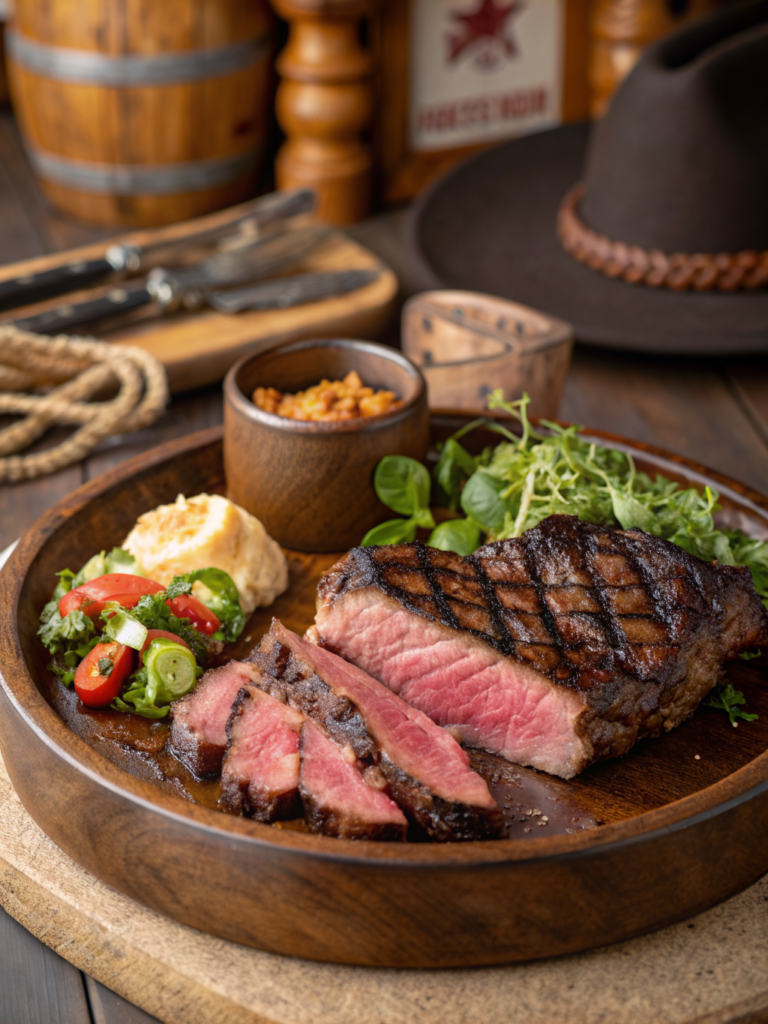
Finish with a pinch of flaky sea salt right before serving. Slice against the grain for maximum tenderness, and serve immediately.
Nutritional Information
This beef striploin steak recipe is a nutritional powerhouse. Here’s an approximate breakdown per serving (one 10 oz striploin steak, cooked):
- Calories: 620–680 kcal
- Protein: 58–62g — an excellent source of complete protein
- Total Fat: 42g (Saturated Fat: 16g)
- Carbohydrates: 1g (essentially zero-carb)
- Cholesterol: 175mg
- Sodium: 780mg (varies with seasoning)
- Iron: 20% of Daily Value
- Zinc: 45% of Daily Value — crucial for immune function
- Vitamin B12: 110% of Daily Value
Beef striploin is particularly rich in creatine, zinc, and B vitamins. According to USDA data, a 3 oz serving of cooked beef strip steak provides approximately 26g of protein — making it one of the most protein-dense whole foods available. It’s ideal for athletes, active individuals, and anyone following a low-carb or ketogenic diet.
Healthier Alternatives for the Recipe
Want to enjoy this recipe with a lighter nutritional profile? Here are smart swaps that preserve the incredible flavor while improving the health metrics.
- Reduce saturated fat: Use only 1 tablespoon of olive oil and skip the butter basting. Instead, finish with a drizzle of extra-virgin olive oil after cooking.
- Lower sodium: Cut the salt by half and use a salt-free herb blend (garlic, smoked paprika, onion powder, dried thyme) for seasoning.
- Leaner cut option: Substitute with a trimmed sirloin or top round steak if you’re watching fat intake — though you’ll sacrifice some tenderness.
- Grass-fed beef: Opt for grass-fed striploin, which contains higher levels of omega-3 fatty acids and conjugated linoleic acid (CLA) compared to grain-fed beef.
- Dairy-free version: Replace butter with ghee or a high-quality vegan butter alternative for the basting step.
- Portion control: Serve a 6 oz portion instead of 10 oz and pair with a large salad or roasted vegetables to create a balanced, satisfying meal.
Serving Suggestions
A perfectly cooked striploin deserves equally impressive accompaniments. Here are some crowd-pleasing pairings that complement the bold, beefy flavors beautifully.
- Classic Steakhouse Style: Serve alongside garlic mashed potatoes, creamed spinach, and a wedge salad with blue cheese dressing.
- Light & Fresh: Pair with a bright arugula salad, shaved parmesan, lemon vinaigrette, and roasted cherry tomatoes for a Mediterranean-inspired plate.
- Low-Carb/Keto: Serve over cauliflower mash with sautéed mushrooms and a red wine pan sauce made from the drippings.
- Date Night Elegant: Slice the steak thinly and fan it over a bed of truffle-scented polenta, garnished with microgreens and a drizzle of herb butter.
- Sauce Pairings: Chimichurri, peppercorn cream sauce, béarnaise, or a simple compound herb butter all work magnificently with striploin.
Don’t forget the wine! A bold Cabernet Sauvignon, Malbec, or Syrah pairs beautifully with the rich, savory notes of a well-seared striploin steak.
Common Mistakes to Avoid
Even experienced cooks make these errors. Knowing them in advance puts you miles ahead of the average home chef.
- Cooking straight from the fridge: Cold meat = uneven cooking. Always rest at room temperature first. This single mistake is responsible for more overcooked exteriors than any other factor.
- Not drying the steak: Surface moisture prevents searing. Pat steaks completely dry before seasoning and cooking.
- Using a cold or under-heated pan: A pan that isn’t hot enough will cause the steak to stick and steam. Preheat properly — 2–3 full minutes on high heat minimum.
- Flipping too often: Flip once. Constant flipping disrupts crust formation and extends cooking time unnecessarily.
- Skipping the meat thermometer: Guessing doneness by time alone is unreliable. A $15 instant-read thermometer eliminates all guesswork.
- Cutting immediately after cooking: Skipping the rest period causes up to 40% of the steak’s juices to escape onto the cutting board. Always rest for at least 5 minutes.
- Over-seasoning with garlic powder instead of fresh garlic: Garlic powder burns quickly at high heat. Use whole crushed cloves added with the butter at a lower temperature.
Storing Tips for the Recipe
If you’re lucky enough to have leftovers, proper storage ensures they remain delicious for days.
Refrigerating: Allow the cooked steak to cool to room temperature (no more than 2 hours at room temp). Wrap tightly in plastic wrap or store in an airtight container. Refrigerate for up to 3–4 days.
Freezing: Wrap individual portions in plastic wrap, then in aluminum foil, and place in a freezer-safe zip bag. Freeze for up to 3 months. Label with the date for easy tracking.
Reheating without ruining it: The best method is low and slow. Place the steak on a wire rack over a baking sheet and warm in a 250°F oven for 20–25 minutes until heated through. Then give it a quick 60-second sear in a hot pan to revive the crust. Avoid microwaving — it makes the texture rubbery and unpleasant.
Meal prep tip: Season your steaks and store them uncovered on a rack in the refrigerator for up to 24 hours before cooking. This dry-brining technique draws out moisture, then reabsorbs it — resulting in even deeper seasoning and a better crust when cooked.