Cedar board salmon recipes: 5 Best Delicious Ideas
Have you ever wondered why restaurant salmon tastes so incredibly smoky, moist, and complex — yet your home-cooked version falls flat? The secret might be simpler than you think. These cedar board salmon recipes transform an ordinary weeknight dinner into a gourmet experience using nothing more than a wooden plank, fresh salmon, and a handful of pantry staples. Get ready to impress everyone at your table.
Cedar plank cooking is an ancient technique rooted in Pacific Northwest Indigenous traditions. The wood infuses the fish with a gentle, woodsy smokiness that no marinade alone can replicate. Whether you’re a seasoned grill master or a curious beginner, these five recipes will guide you step by step toward salmon perfection.
Why Cedar Board Salmon Is Worth the Hype
Cooking salmon on a cedar board does more than add flavor. The plank acts as a natural heat buffer, preventing the delicate fish from drying out or sticking to the grill. The moisture trapped between the wood and the fish creates a steaming effect, locking in natural oils and nutrients.
Cedar planked salmon has surged in popularity because it delivers restaurant-quality results with minimal equipment. All five recipes below can be prepared on a gas grill, charcoal grill, or even in your oven — making them accessible year-round.
Ingredients List
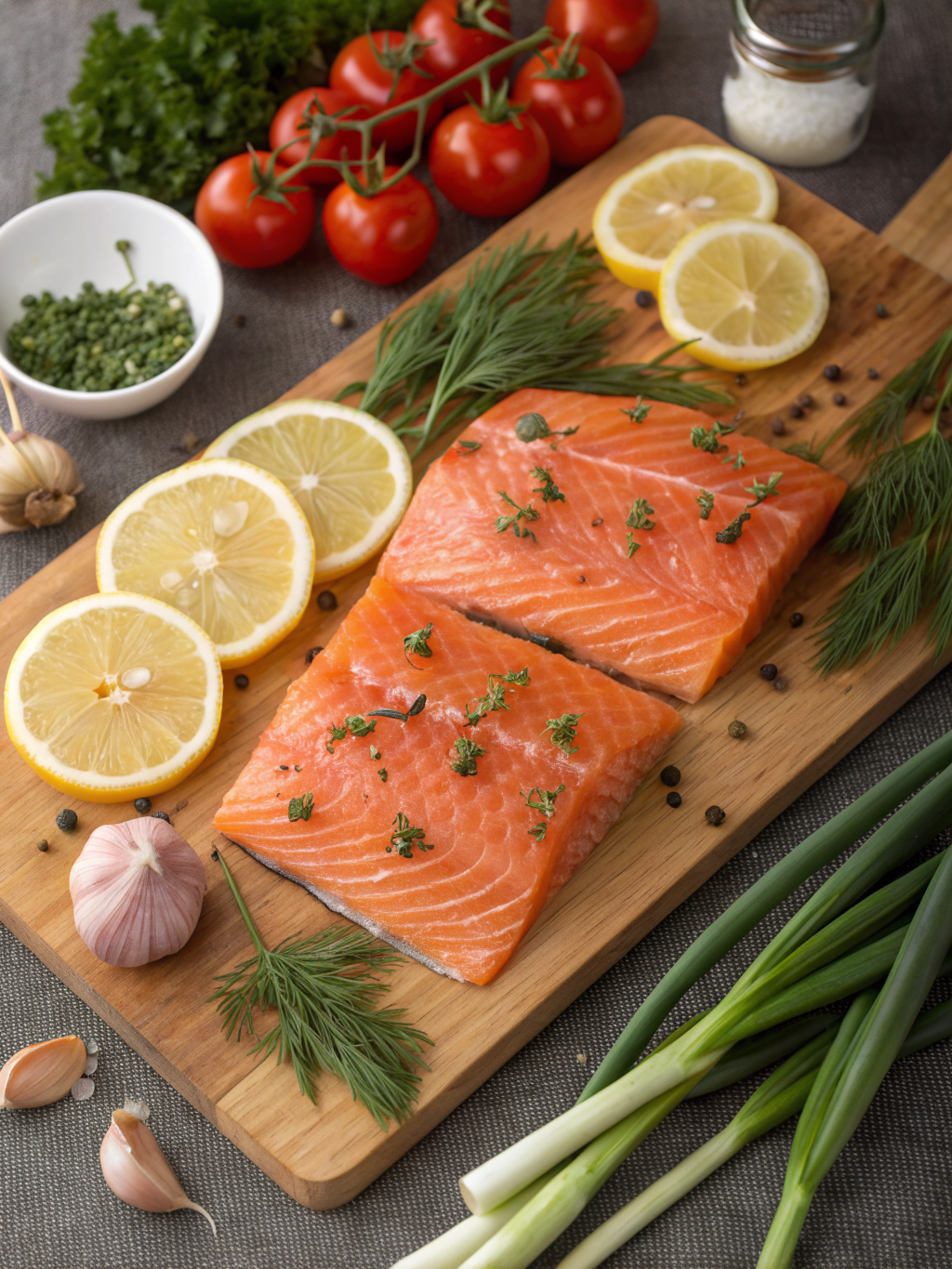
The following ingredients cover all five recipe variations. Most items are pantry staples, and substitution suggestions are included to accommodate dietary preferences and ingredient availability.
Base Ingredients (All 5 Recipes)
- 5 cedar planks (approximately 7×14 inches), soaked in water for at least 1–2 hours
- 5 salmon fillets (6–8 oz each), skin-on preferred for moisture retention
- 2 tablespoons olive oil (substitute: avocado oil for a higher smoke point)
- 1 teaspoon sea salt
- ½ teaspoon freshly cracked black pepper
- 2 cloves garlic, minced (substitute: ½ teaspoon garlic powder)
- 1 lemon, sliced thin
Recipe-Specific Ingredients
- Recipe 1 – Classic Herb: Fresh dill, parsley, thyme, and a drizzle of honey
- Recipe 2 – Maple Dijon: 2 tbsp pure maple syrup, 1 tbsp Dijon mustard, 1 tsp apple cider vinegar
- Recipe 3 – Asian Ginger Soy: 2 tbsp low-sodium soy sauce, 1 tbsp fresh ginger (grated), 1 tbsp sesame oil, 1 tsp rice vinegar
- Recipe 4 – Smoky Chipotle Lime: 1 chipotle pepper in adobo (minced), zest and juice of 1 lime, 1 tsp smoked paprika
- Recipe 5 – Brown Sugar Garlic: 2 tbsp brown sugar (substitute: coconut sugar), 1 tbsp butter, 1 tsp garlic powder, pinch of cayenne
Pro tip: Always choose wild-caught salmon when possible. It contains higher omega-3 levels and a richer, more complex flavor profile compared to farmed varieties.
Timing
Each recipe follows a similar timing structure, making batch cooking or meal prep incredibly efficient.
- Plank Soaking Time: 1–2 hours (can be done the night before)
- Prep Time: 10–15 minutes per recipe
- Cook Time: 15–20 minutes on the grill
- Total Active Time: Approximately 30–35 minutes
That’s roughly 25% less active cooking time than the average baked salmon recipe, which typically requires 40–45 minutes including oven preheating. The cedar plank method is not just flavorful — it’s genuinely efficient.
Step-by-Step Instructions
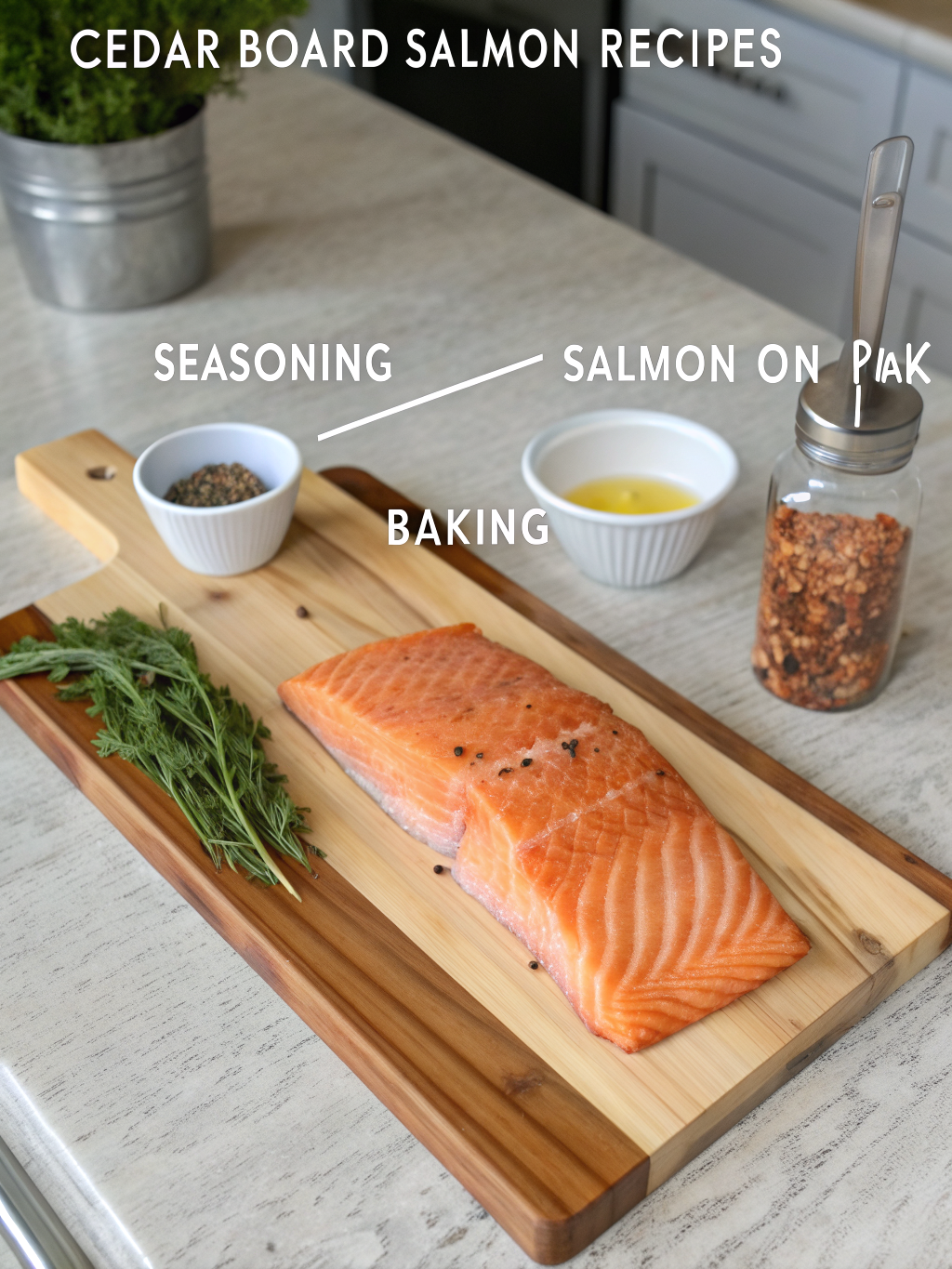
The following steps apply universally to all five recipes. Simply swap in the recipe-specific marinade or glaze at Step 3.
Step 1: Soak Your Cedar Planks
Submerge your cedar planks in cold water for a minimum of one hour — two hours is ideal. Use a heavy pot or pan to keep them fully submerged. This prevents the wood from catching fire on the grill and maximizes the steam-infusion effect.
Step 2: Preheat Your Grill
Heat your grill to medium-high, approximately 400–425°F (205–220°C). If using a charcoal grill, push coals to one side to create an indirect heat zone. For oven cooking, preheat to 400°F and place the soaked plank on a baking sheet.
Step 3: Prepare Your Marinade or Glaze
Combine your chosen recipe’s ingredients in a small bowl. Whisk until smooth and well incorporated. Brush the salmon fillets generously with olive oil first, then apply the marinade evenly across the top and sides of each fillet. Allow to rest for 5 minutes.
Step 4: Place Salmon on the Plank
Remove the soaked plank from the water and pat the top surface lightly dry. Place the marinated salmon fillet skin-side down on the plank. Arrange lemon slices on top for added brightness and to prevent the surface from drying out during cooking.
Step 5: Grill to Perfection
Place the plank directly on the grill grates over direct heat. Close the lid and cook for 15–20 minutes without flipping. The salmon is done when it flakes easily with a fork and reaches an internal temperature of 145°F (63°C). Look for slight char on the plank edges — that’s the smoky magic happening.
Step 6: Rest and Serve
Remove the plank carefully using heat-resistant gloves. Let the salmon rest for 3–5 minutes before serving. This resting period allows the juices to redistribute throughout the fillet, ensuring every bite is moist and flavorful.
Nutritional Information
The following nutritional breakdown is based on a standard 6 oz salmon fillet prepared with olive oil and a light glaze. Values may vary slightly depending on the specific recipe variation used.
- Calories: 320–380 kcal
- Protein: 34–40g
- Total Fat: 16–20g (primarily heart-healthy unsaturated fats)
- Saturated Fat: 3–4g
- Omega-3 Fatty Acids: 2,200–2,500mg (exceeds the American Heart Association’s recommended daily intake)
- Carbohydrates: 3–8g (varies by glaze)
- Sodium: 380–520mg
- Vitamin D: 447 IU (approximately 56% of the recommended daily value)
- Vitamin B12: 3.2mcg (over 130% of daily recommended intake)
Salmon is one of the most nutrient-dense proteins available. A single serving provides more omega-3 fatty acids than most people consume in an entire week. These cedar board salmon recipes make it easy to hit your nutritional goals without sacrificing taste.
Healthier Alternatives for the Recipe
These recipes are already nutritionally excellent, but small swaps can make them even better suited to specific dietary goals.
- Lower sodium: Replace soy sauce with coconut aminos in the Asian Ginger Soy recipe to reduce sodium by up to 40%.
- Lower sugar: Swap brown sugar or maple syrup with a monk fruit sweetener in a 1:1 ratio for a diabetic-friendly version.
- Dairy-free: All five recipes are naturally dairy-free except Recipe 5. Replace butter with vegan butter or coconut oil.
- Keto-friendly: Skip the honey, maple syrup, and brown sugar glazes. Recipes 1, 3, and 4 are naturally low-carb.
- Paleo-friendly: Use coconut aminos instead of soy sauce and coconut sugar instead of brown sugar for full paleo compliance.
- Higher protein: Serve with a side of quinoa or edamame to boost the protein content of your overall meal.
You can also substitute salmon with steelhead trout for a milder flavor, or use arctic char for a slightly richer taste. Both fish respond beautifully to cedar plank cooking.
Serving Suggestions
The beauty of cedar board salmon recipes is their incredible versatility. They pair well with a wide range of sides and presentation styles.
- Classic pairing: Serve alongside roasted asparagus and garlic mashed potatoes for a timeless, crowd-pleasing dinner.
- Light and fresh: Pair with a cucumber-dill salad and wild rice pilaf for a refreshing summer meal.
- Asian-inspired: Serve the Ginger Soy version over steamed jasmine rice with stir-fried bok choy and sesame seeds.
- Taco night twist: Flake the Chipotle Lime salmon into warm corn tortillas with avocado crema, shredded cabbage, and pickled red onion.
- Brunch option: Serve the Classic Herb version over a toasted bagel with cream cheese and capers for an elevated brunch spread.
- Meal prep bowl: Flake leftover salmon over mixed greens, roasted sweet potato, cherry tomatoes, and a lemon-tahini dressing.
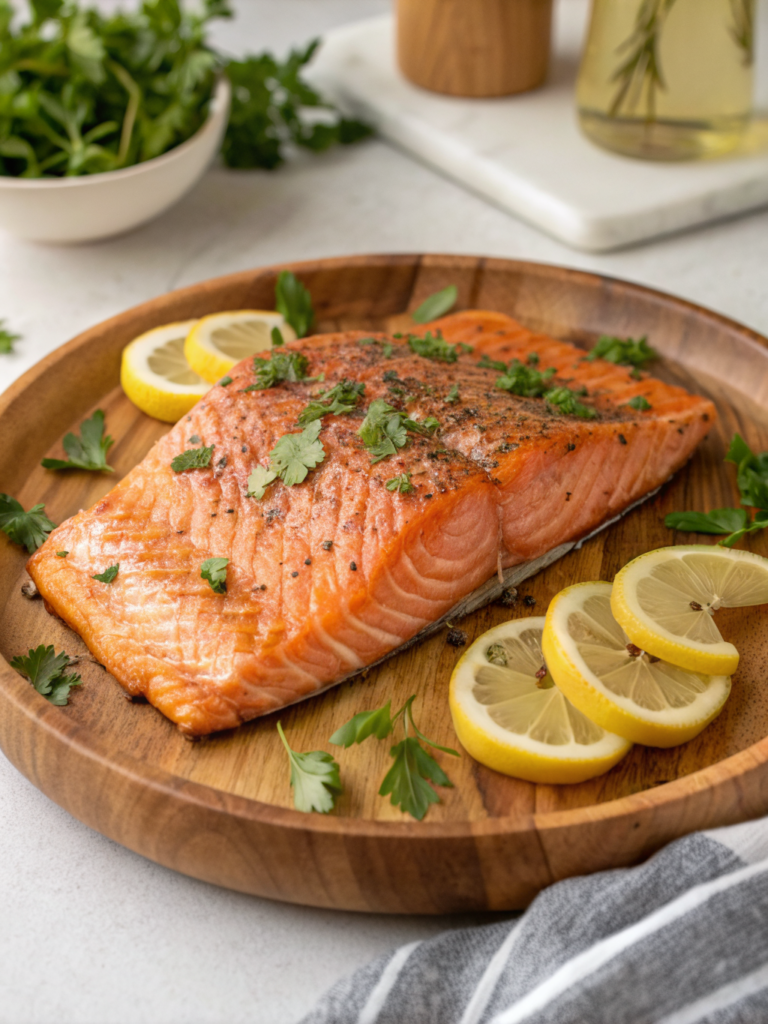
For an impressive dinner party presentation, serve the salmon directly on the cedar plank at the table. The visual drama and lingering wood aroma create an unforgettable dining experience your guests will talk about long after the meal.
Common Mistakes to Avoid
Even experienced cooks make avoidable errors with cedar plank cooking. Here are the most common pitfalls and how to sidestep them:
- Not soaking the plank long enough: A plank soaked for less than 30 minutes is a fire hazard. Always soak for at least one hour. Two hours is the gold standard.
- Using too high a heat: Extremely high heat causes the plank to ignite rather than smolder. Medium-high (400–425°F) is the sweet spot for smoke without flame.
- Overcooking the salmon: Salmon continues cooking after it’s removed from heat. Pull it at 140°F and let carryover cooking bring it to the safe 145°F threshold.
- Skipping the skin: Skin-on fillets hold together better on the plank and provide a natural moisture barrier. Don’t remove it before cooking.
- Opening the grill lid too often: Every time you lift the lid, you lose heat and smoke. Resist the urge to peek — trust the process and check only once near the end.
- Reusing planks carelessly: A plank can be reused once or twice if it hasn’t charred too deeply. However, heavily charred planks can impart a bitter flavor. When in doubt, use a fresh one.
- Forgetting to preheat the plank: For an extra layer of smoky flavor, place the soaked plank on the grill for 3–5 minutes before adding the salmon. You’ll hear it begin to crackle — that’s the signal it’s ready.
Storing Tips for the Recipe
Proper storage ensures your cedar plank salmon stays delicious for days after cooking. Follow these best practices:
- Refrigeration: Store leftover salmon in an airtight container in the refrigerator for up to 3 days. Keep it separate from strong-smelling foods to preserve its delicate flavor.
- Freezing: Cooked salmon freezes well for up to 2 months. Wrap individual portions tightly in plastic wrap, then place in a freezer-safe zip-lock bag. Label with the date and recipe name.
- Reheating: Reheat gently in a 275°F oven for 10–15 minutes to avoid drying it out. Alternatively, enjoy it cold over salads — leftover cedar plank salmon is exceptional at room temperature.
- Meal prep ahead: You can prepare and marinate the salmon up to 24 hours in advance. Store marinated fillets covered in the refrigerator and soak your planks the morning of cooking.
- Cedar plank storage: After use, rinse the plank, scrub lightly, and allow it to dry completely before storing. Keep in a cool, dry place away from direct sunlight.