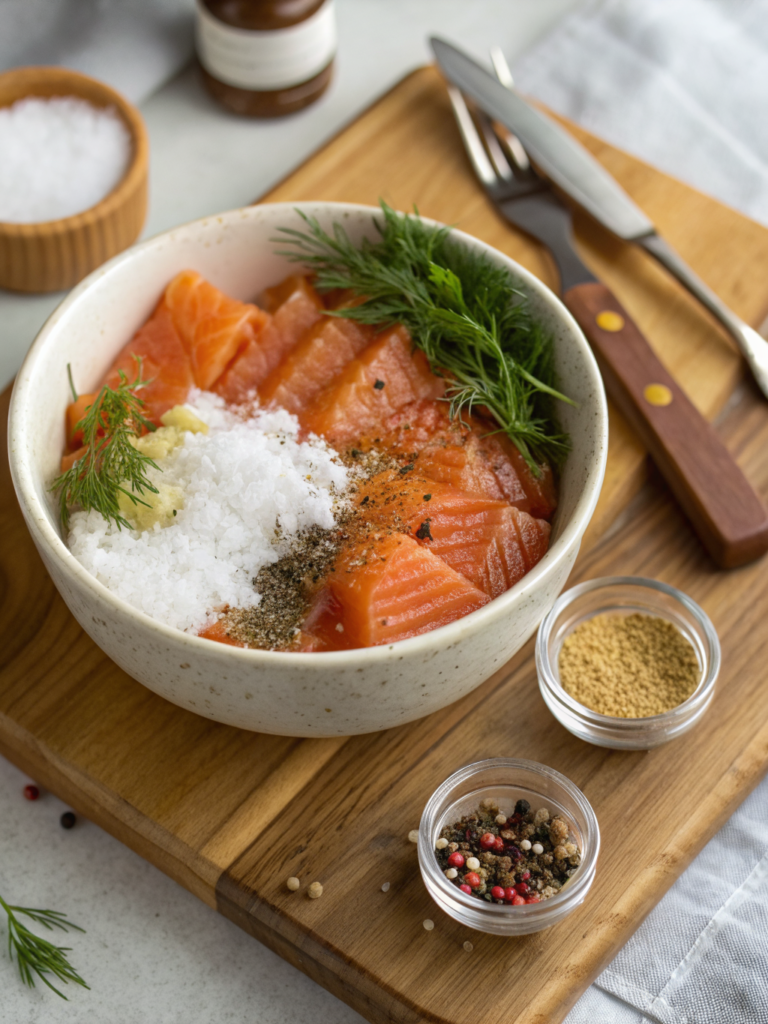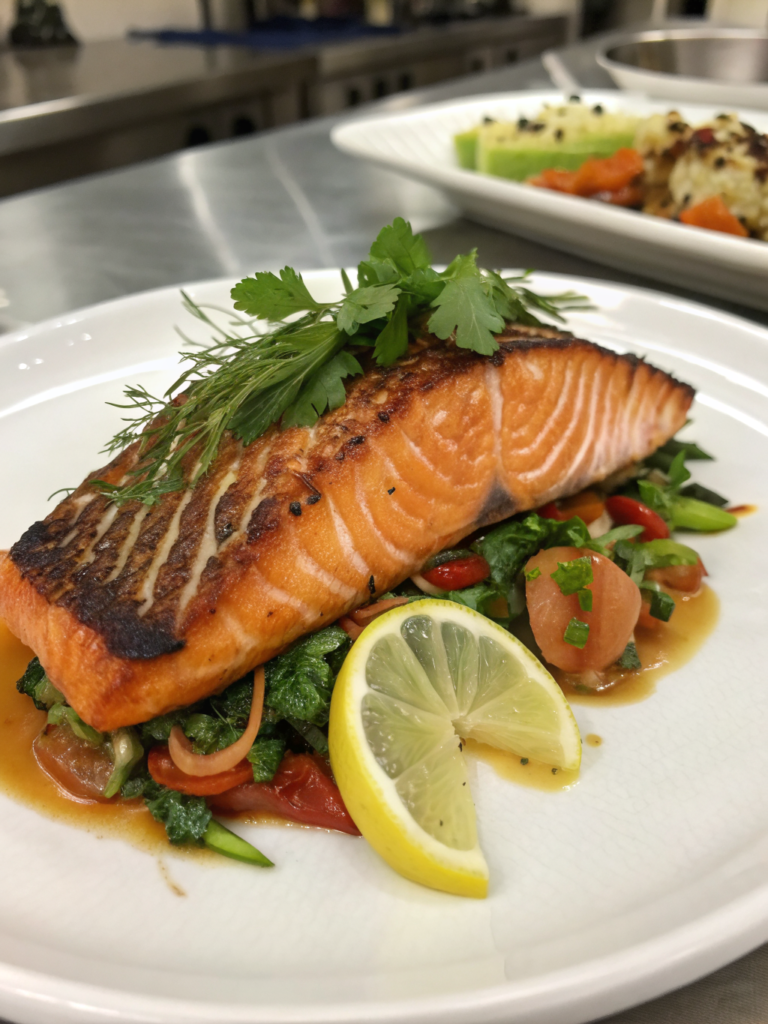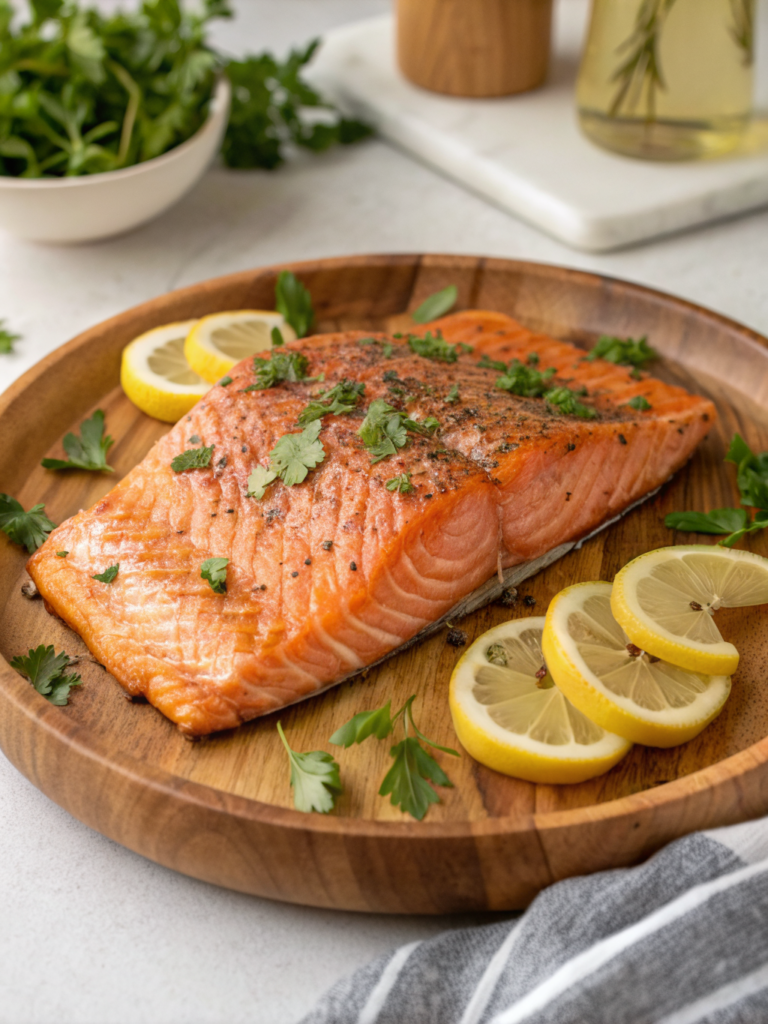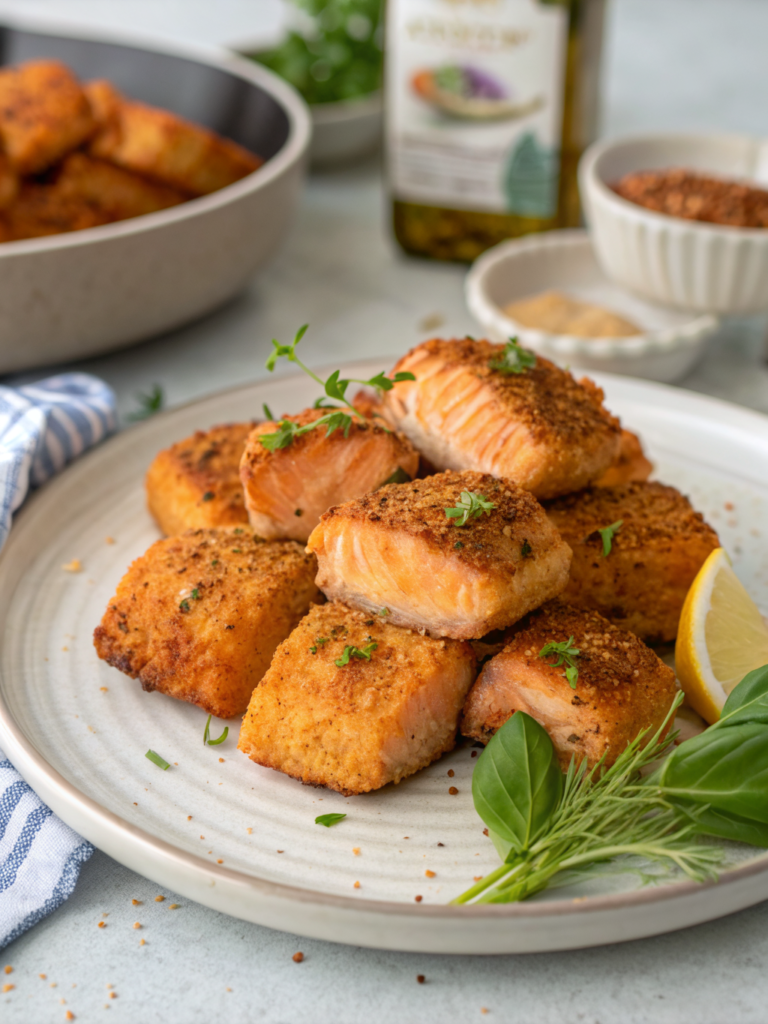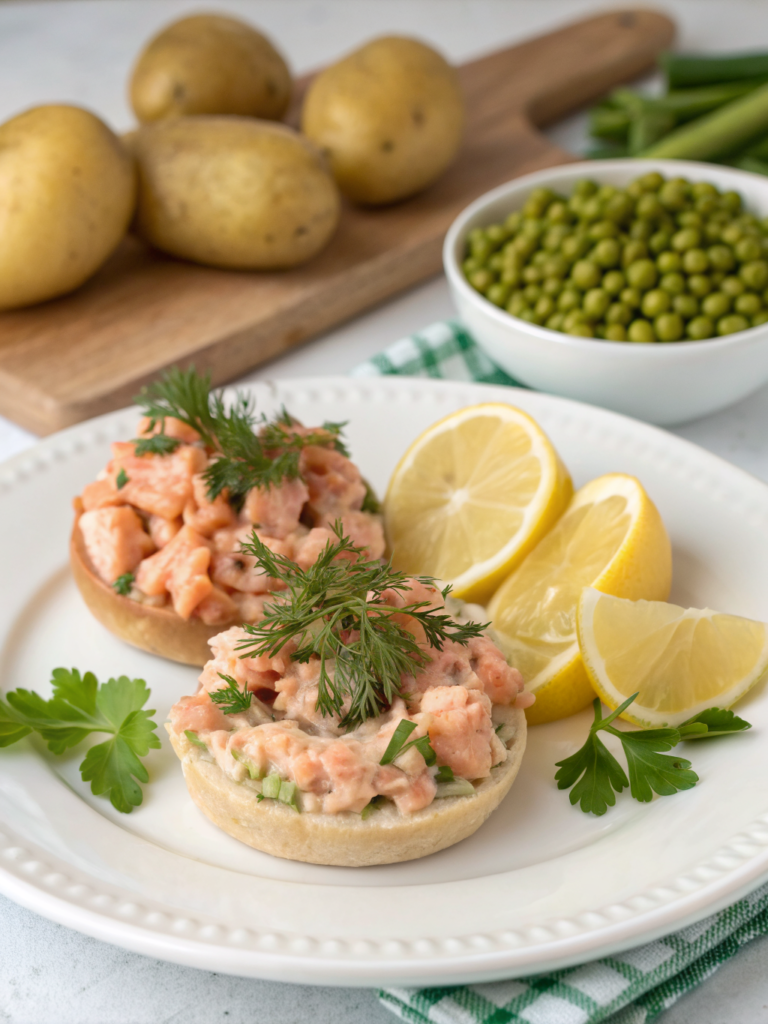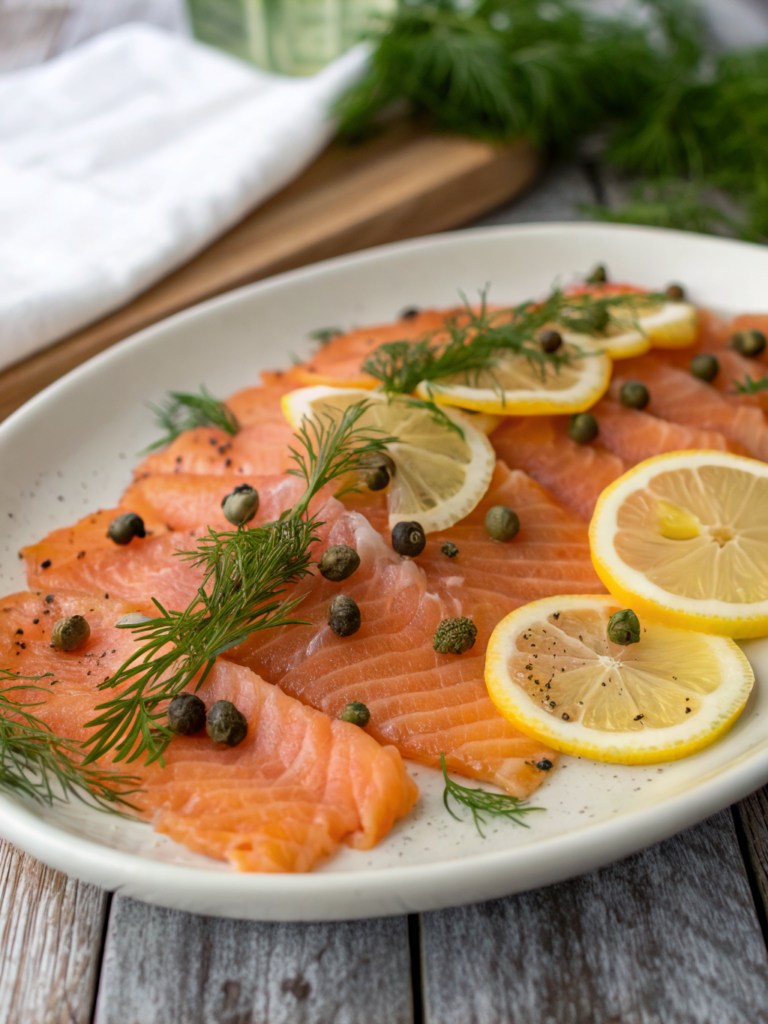
5 Authentic Old Fashioned Salmon Patties Recipes
Have you ever wondered why your grandmother’s salmon patties tasted infinitely better than anything you’ve made since? There’s a reason those crispy, golden cakes from decades past hold such a powerful place in our food memories. Every old fashioned salmon patties recipe carries a secret — a combination of humble ingredients and time-tested technique that modern shortcuts simply can’t replicate.
Today, we’re bringing back that nostalgic magic with five authentic versions of this beloved Southern classic. Whether you’re a seasoned home cook or a curious beginner, these recipes will walk you through everything you need to know to make perfectly crispy, flavorful salmon patties every single time.
Why Old Fashioned Salmon Patties Deserve a Comeback
Salmon patties were a staple in American households throughout the mid-20th century. They were economical, nutritious, and incredibly satisfying. Made primarily from canned salmon, these patties delivered big flavor without breaking the budget.
Today, Canned salmon croquettes are experiencing a well-deserved revival. Home cooks are rediscovering the simplicity and versatility of this dish, and for good reason — it checks every box for a weeknight dinner winner.
Ingredients List
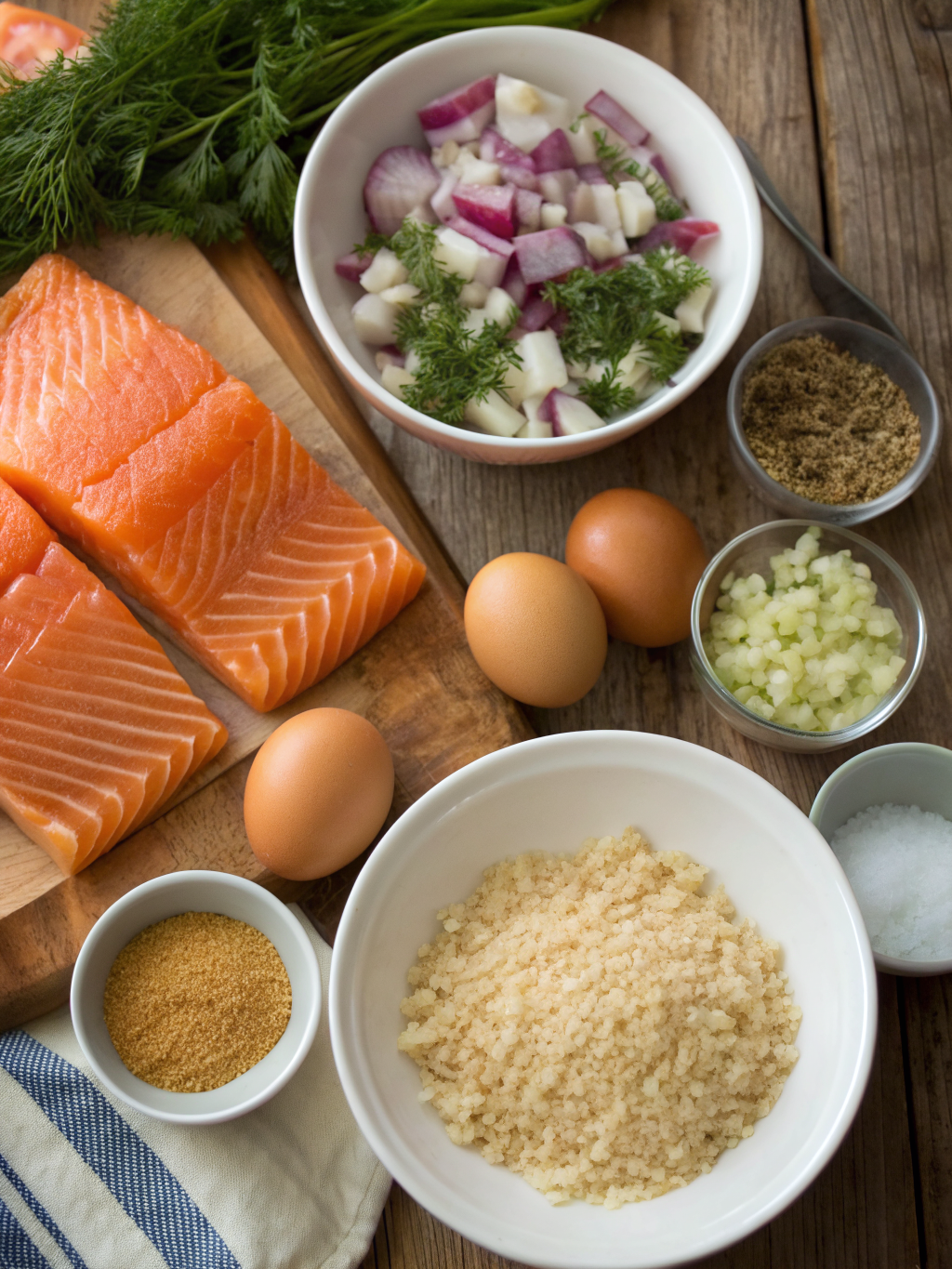
Below are the core ingredients used across all five recipes. Each variation builds on this base, with unique twists that give each patty its own personality.
Base Ingredients (Used in All 5 Recipes)
- 2 cans (14.75 oz each) pink or red canned salmon, drained and deboned
- 1/2 cup breadcrumbs (plain or seasoned — panko works beautifully for extra crunch)
- 2 large eggs, lightly beaten
- 1/4 cup finely diced yellow onion
- 2 tablespoons mayonnaise (substitute: plain Greek yogurt for a lighter option)
- 1 tablespoon Dijon mustard (substitute: yellow mustard for a milder flavor)
- Salt and black pepper to taste
- 2 tablespoons vegetable oil or butter for frying
Recipe-Specific Add-Ins
- Recipe 1 (Classic Southern): 1/4 cup diced green bell pepper, 1 tsp garlic powder
- Recipe 2 (Lemon Herb): Zest of 1 lemon, 2 tbsp fresh dill, 1 tbsp capers
- Recipe 3 (Spicy Cajun): 1 tsp Cajun seasoning, 1/4 tsp cayenne pepper, 1 tbsp hot sauce
- Recipe 4 (Cheesy Comfort): 1/2 cup shredded sharp cheddar, 1 tbsp Worcestershire sauce
- Recipe 5 (Grandma’s Original): 1/4 cup crushed saltine crackers instead of breadcrumbs, 1 tsp onion powder
Pro tip: Always taste your mixture before forming patties. Adjust seasoning at this stage — it’s your last easy opportunity before cooking.
Timing
One of the greatest advantages of an old fashioned salmon patties recipe is how quickly it comes together. Here’s what to expect:
- Preparation Time: 10–15 minutes
- Chilling Time (Optional but Recommended): 15–30 minutes
- Cooking Time: 8–10 minutes
- Total Time: Approximately 35–55 minutes
That’s roughly 30% less time than the average homemade fish cake recipe, which typically requires 60–75 minutes. Chilling the patties before frying is optional, but it dramatically reduces the chance of them falling apart in the pan.
Step-by-Step Instructions
These instructions apply to all five recipes. Simply swap in the recipe-specific add-ins at Step 2 to customize your batch.
Step 1: Prepare the Salmon
Open and thoroughly drain the canned salmon. Remove any visible bones and skin, though the soft bones are edible and rich in calcium. Flake the salmon into a large mixing bowl using a fork, breaking up any large chunks for even texture throughout your patties.
Step 2: Combine the Ingredients
Add the breadcrumbs, beaten eggs, diced onion, mayonnaise, mustard, salt, pepper, and your chosen recipe-specific add-ins to the bowl. Mix gently with your hands or a wooden spoon until just combined. Overmixing will make the patties dense and tough — stop as soon as everything is incorporated.
Step 3: Form the Patties
Divide the mixture into 8 equal portions. Shape each portion into a round patty approximately 3/4 inch thick. Place formed patties on a parchment-lined baking sheet. For best results, refrigerate for 15–30 minutes — this firms them up significantly and makes pan-frying much easier.
Step 4: Heat the Pan
Heat a large skillet over medium heat. Add 2 tablespoons of vegetable oil or butter. The oil is ready when a small breadcrumb dropped in sizzles immediately. Avoid using high heat — medium is ideal for achieving a golden crust without burning the exterior before the inside cooks through.
Step 5: Fry the Patties
Carefully place patties into the hot skillet, leaving at least 1 inch of space between each one. Cook for 4–5 minutes per side without pressing down or moving them. Resist the urge to flip early — the patty will naturally release from the pan when the crust has properly formed.
Step 6: Drain and Rest
Transfer cooked patties to a paper towel-lined plate to drain excess oil. Allow them to rest for 2–3 minutes before serving. This short resting period allows the interior to set fully, making each bite more cohesive and satisfying.
Nutritional Information
The following nutritional estimates are per serving (2 patties), based on the Classic Southern recipe using pink canned salmon and vegetable oil frying.
- Calories: 280–320 kcal
- Protein: 28–32g (salmon is one of the richest dietary sources of complete protein)
- Total Fat: 14–16g
- Saturated Fat: 2–3g
- Carbohydrates: 10–14g
- Fiber: 1g
- Sodium: 480–560mg
- Omega-3 Fatty Acids: Approximately 1,200–1,800mg
Salmon is an exceptional source of omega-3 fatty acids, which the American Heart Association recommends consuming at least twice weekly. A single serving of these patties can provide up to 90% of the recommended daily omega-3 intake. That’s impressive nutrition packed into a humble, affordable meal.
Healthier Alternatives for the Recipe
The beauty of an old fashioned salmon patties recipe is how easily it adapts to modern dietary preferences without sacrificing flavor.
- Lower Calories: Bake patties at 400°F for 12–15 minutes instead of pan-frying. Brush lightly with olive oil spray for crispiness.
- Gluten-Free: Substitute regular breadcrumbs with certified gluten-free breadcrumbs or almond flour.
- Dairy-Free: This recipe is naturally dairy-free unless you’re making the Cheesy Comfort version. Simply omit the cheese.
- Lower Sodium: Choose no-salt-added canned salmon and reduce added salt by half.
- Egg-Free: Replace eggs with 2 tablespoons of ground flaxseed mixed with 6 tablespoons of water (let sit 5 minutes before using).
- Higher Protein: Add 2 tablespoons of hemp seeds to the mixture — they’re virtually flavorless and add 6g of protein per serving.
Serving Suggestions
Salmon patties are wonderfully versatile. Here are some creative ways to serve them that go beyond the classic plate presentation.
- Classic Southern Style: Serve alongside creamy coleslaw, cornbread, and a wedge of lemon. A dollop of tartar sauce on the side is non-negotiable.
- Salmon Patty Burger: Slide a patty into a brioche bun with lettuce, tomato, red onion, and a smear of dill aioli for a satisfying sandwich.
- Over Greens: Place two patties over a bed of arugula or mixed greens with a lemon vinaigrette for a light, protein-packed lunch.
- With Eggs: Serve alongside scrambled or poached eggs for a protein-rich weekend brunch that feels indulgent but isn’t.
- Appetizer Style: Make mini patties (golf ball size, flattened) and serve on crackers with a smear of cream cheese and fresh dill for elegant entertaining.
Common Mistakes to Avoid
Even experienced cooks make these errors when preparing salmon patties. Knowing them in advance puts you miles ahead.
- Skipping the chilling step: Patties that haven’t been chilled are significantly more likely to fall apart during frying. Even 15 minutes in the fridge makes a noticeable difference.
- Using too much filler: Adding excessive breadcrumbs dilutes the salmon flavor and creates a bready, dense texture. Stick to the recommended ratios.
- Flipping too early: The number one reason patties break is premature flipping. Wait until the edges look set and golden before attempting to turn them.
- Overcrowding the pan: Too many patties at once drops the oil temperature, leading to greasy, soggy results instead of crispy ones.
- Not draining the salmon properly: Excess moisture in the mixture prevents proper browning and makes patties fall apart. Press the drained salmon gently with paper towels.
- Using high heat: High heat burns the outside while leaving the inside undercooked. Medium heat is your best friend for even, beautiful results.
Storing Tips for the Recipe
Proper storage ensures your salmon patties stay delicious for days after cooking. Here’s how to handle leftovers like a pro.
Refrigerating Cooked Patties: Allow patties to cool completely before storing. Place them in an airtight container with parchment paper between layers to prevent sticking. They’ll keep well in the refrigerator for up to 3 days.
Freezing Cooked Patties: Cooked patties freeze exceptionally well for up to 2 months. Wrap each patty individually in plastic wrap, then place in a freezer-safe bag. Thaw overnight in the refrigerator before reheating.
Freezing Uncooked Patties: You can freeze formed, uncooked patties on a baking sheet until solid, then transfer to a freezer bag. Cook directly from frozen, adding 2–3 extra minutes per side.
Reheating Tips: For best results, reheat in a skillet over medium heat for 2–3 minutes per side. Avoid the microwave — it makes the exterior soggy and ruins that signature crispy crust.
Conclusion
These five authentic recipes prove that the old fashioned salmon patties recipe is far more than a relic of the past — it’s a timeless, nutritious, and deeply satisfying dish that deserves a permanent place in your weekly meal rotation.
From the classic Southern version to the bold Cajun twist, each recipe offers something unique while honoring the simple, wholesome spirit of the original. With budget-friendly ingredients, quick preparation, and endless serving possibilities, there’s truly no reason not to make these tonight.
We’d love to hear from you! Try one (or all five) of these recipes and drop a comment below sharing which version became your household favorite. Don’t forget to share this post with a fellow food lover who deserves a taste of something truly delicious and authentic. Happy cooking!