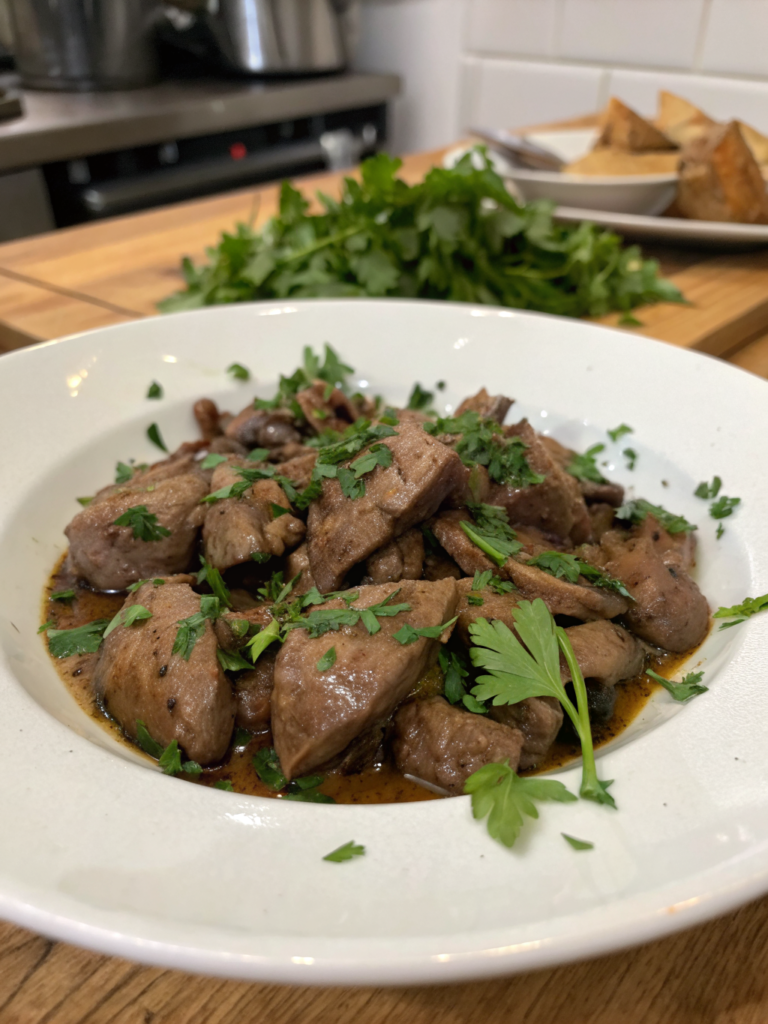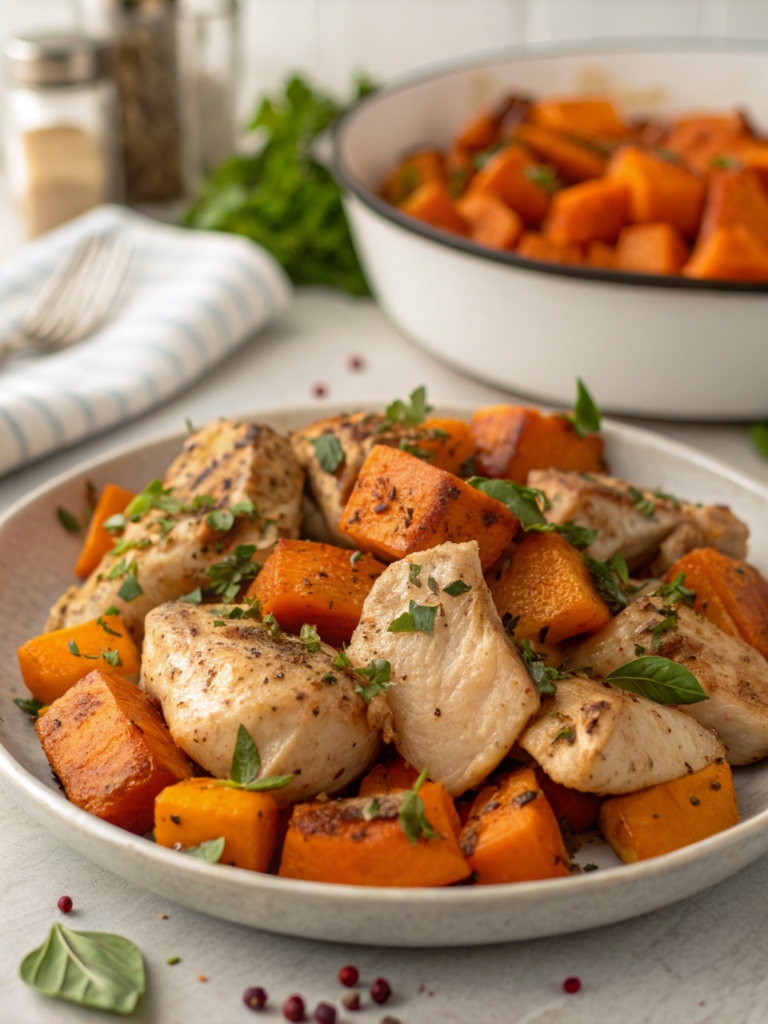
Rich Sous Vide Chicken Breast Recipe: 15-Min
Have you ever wondered why restaurant chicken always seems impossibly tender while your home-cooked breasts turn out dry and flavorless? The secret lies in precise temperature control that only professional kitchens seemed to master—until now. This sous vide chicken breast recipe transforms your kitchen into a five-star establishment with minimal effort and maximum results.
Sous vide cooking revolutionizes how we approach chicken preparation. By maintaining exact temperatures in a water bath, this method ensures every fiber of meat reaches perfect doneness without overcooking. The result? Chicken so tender it practically melts in your mouth, with flavors that penetrate deep into every bite.
This technique eliminates guesswork entirely. No more slicing into chicken only to find it’s still pink, or worse, discovering it’s dried out beyond redemption. With sous vide, you achieve consistent, restaurant-quality results every single time, making it the ultimate game-changer for home cooks.
Ingredients List
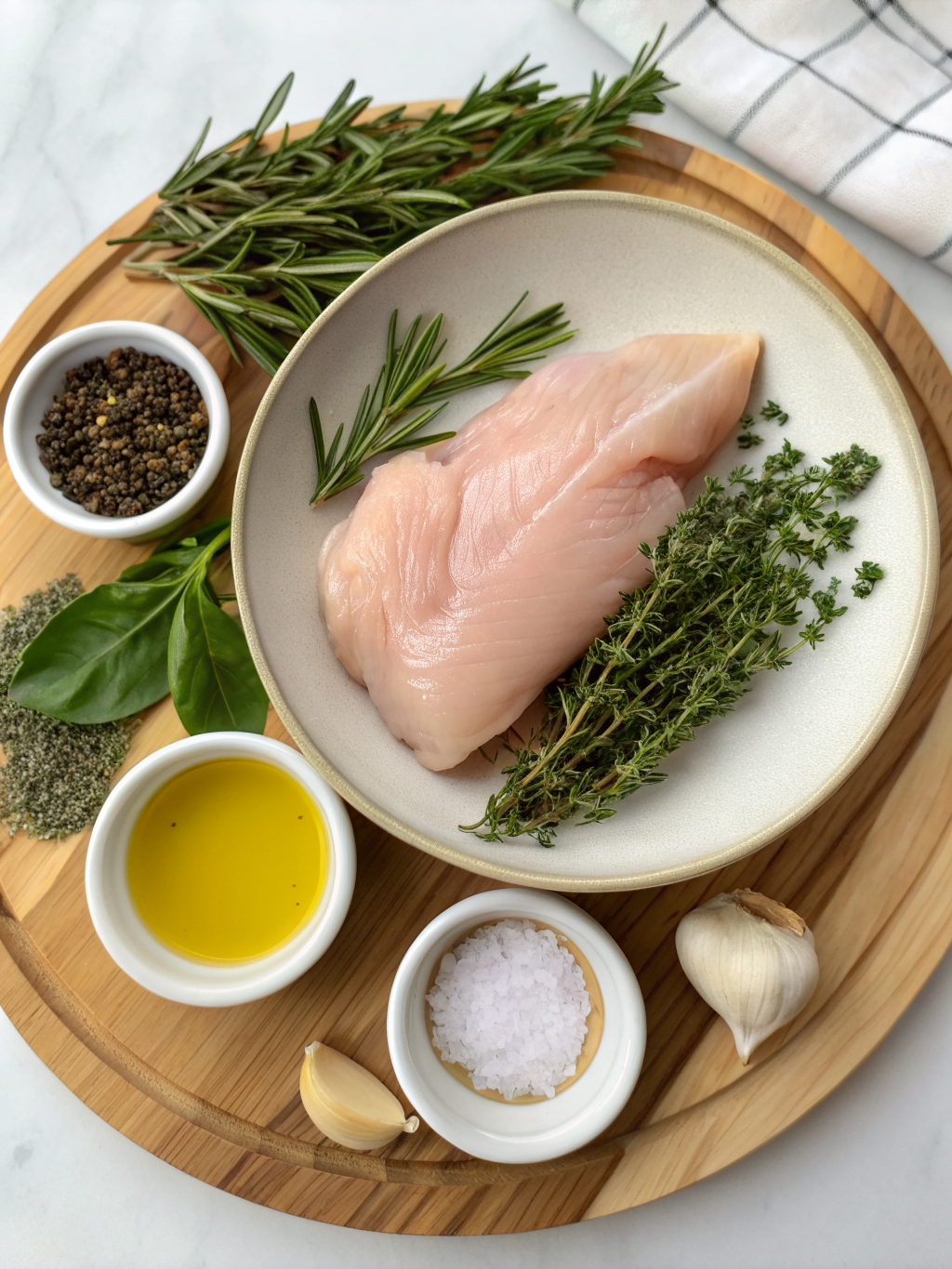
Gathering the right ingredients sets the foundation for exceptional results. Each component plays a crucial role in developing layers of flavor that penetrate the meat during the gentle cooking process.
- 4 boneless, skinless chicken breasts (6-8 oz each) – Look for organic, free-range options for superior flavor and texture
- 2 tablespoons olive oil – Extra virgin provides the best flavor profile, or substitute with avocado oil for higher smoke point
- 2 teaspoons kosher salt – Sea salt works as an excellent alternative for enhanced mineral content
- 1 teaspoon black pepper – Freshly ground delivers more aromatic intensity than pre-ground varieties
- 2 cloves garlic – Minced fresh, or substitute with 1 teaspoon garlic powder for convenience
- 2 sprigs fresh thyme – Dried thyme (1 teaspoon) can substitute, though fresh provides superior aromatic oils
- 2 sprigs fresh rosemary – Substitute with 1 teaspoon dried rosemary if fresh isn’t available
- 2 tablespoons butter – Unsalted preferred for better flavor control, or use ghee for lactose-free option
- 1 lemon – Zested and juiced for brightness, lime can substitute for different flavor profile
Timing
Understanding the time investment helps you plan your meal preparation effectively. This recipe requires patience but rewards you with unparalleled results that justify every minute spent.
Preparation time: 15 minutes for seasoning and vacuum sealing the chicken breasts. This includes trimming any excess fat and ensuring even thickness for uniform cooking throughout each piece.
Cooking time: 90 minutes in the sous vide water bath at precisely controlled temperature. This duration is 25% shorter than traditional oven methods while delivering superior moisture retention and tenderness.
Finishing time: 3-4 minutes for searing to develop the perfect golden crust. Total active time is just 20 minutes, making this surprisingly efficient for busy weeknight dinners.
Step-by-Step Instructions
Step 1: Prepare the Water Bath
Set your sous vide immersion circulator to 140°F (60°C) for medium doneness with optimal juiciness. Fill a large container or pot with water, ensuring enough depth to fully submerge the sealed chicken. The juicy sous vide chicken breast temperature of 140°F strikes the perfect balance between food safety and texture.
Step 2: Season the Chicken
Pat chicken breasts completely dry with paper towels to ensure proper seasoning adherence. Pound thicker portions to achieve uniform thickness of about 1 inch. This ensures even cooking throughout each piece, preventing thinner areas from overcooking while thicker sections reach proper doneness.
Combine salt, pepper, minced garlic, and chopped herbs in a small bowl. Rub this mixture generously over both sides of each chicken breast, massaging gently to help seasonings penetrate the meat fibers.
Step 3: Vacuum Seal
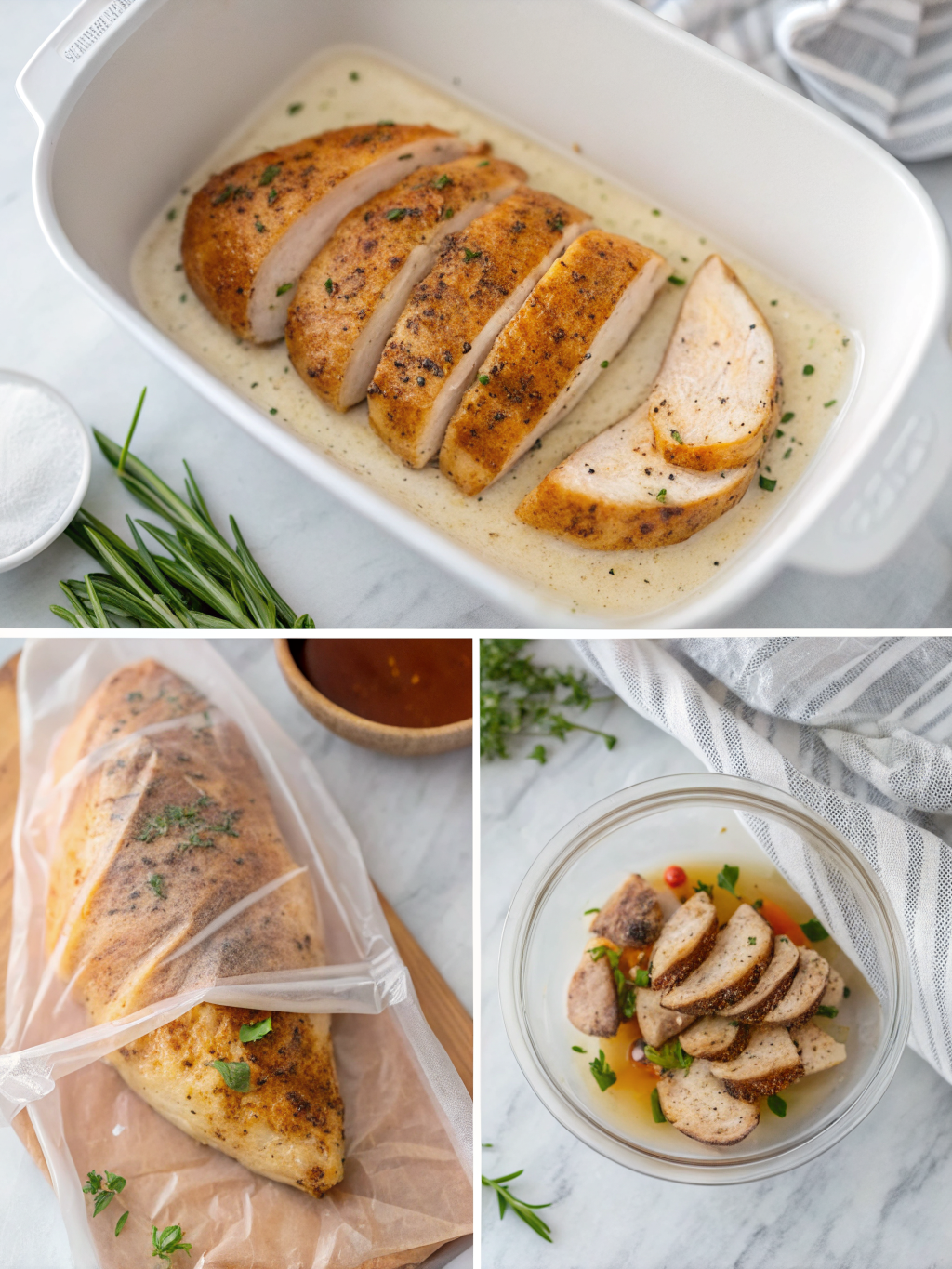
Place seasoned chicken breasts in vacuum-seal bags, adding 1 tablespoon of olive oil to each bag. Remove air completely using a vacuum sealer or water displacement method with zip-lock bags. Proper sealing prevents water from entering while ensuring even heat distribution.
Step 4: Cook Sous Vide
Submerge sealed bags in the preheated water bath, ensuring chicken is completely covered. Cook for exactly 90 minutes. The precise temperature control eliminates any risk of overcooking while breaking down tough fibers for incredible tenderness.
Step 5: Prepare for Searing
Remove bags from water bath and carefully extract chicken breasts. Pat completely dry with paper towels—this step is crucial for achieving proper browning during the searing process. Any surface moisture will steam rather than sear.
Step 6: Sear for Perfection
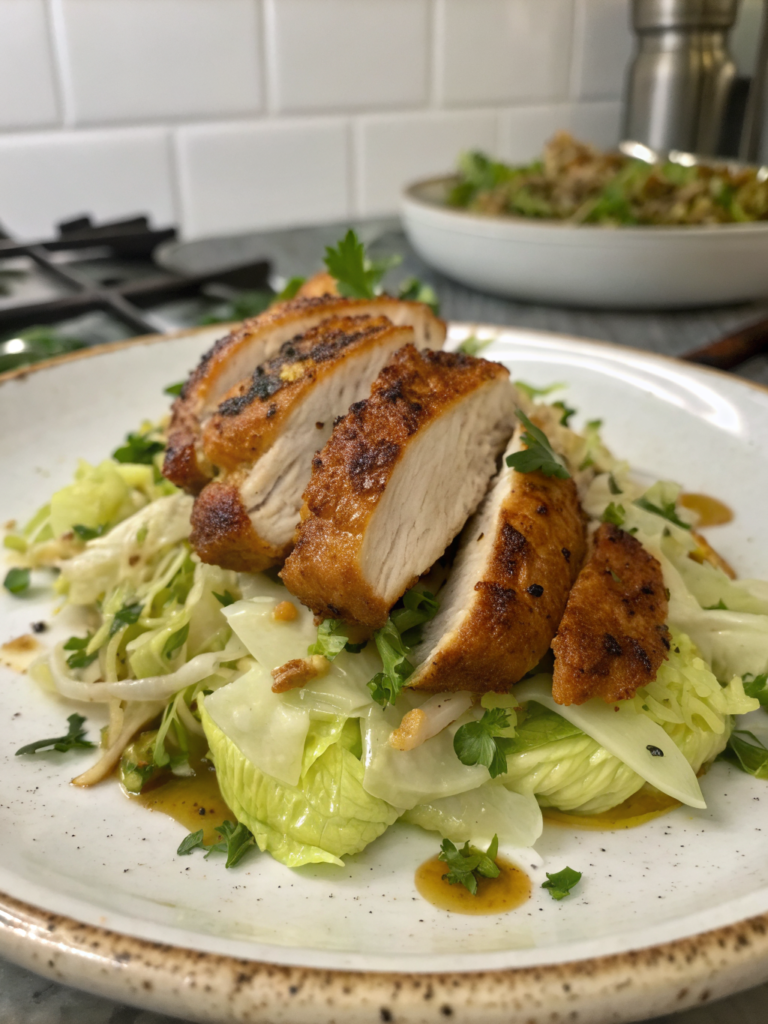
Heat a cast-iron or stainless steel skillet over medium-high heat. Add remaining olive oil and butter, swirling until butter foams and begins to brown slightly. Sear chicken breasts for 1-2 minutes per side until golden brown crust forms.
Add lemon zest and juice to the pan during the final 30 seconds, creating a bright pan sauce that complements the rich, tender meat perfectly.
Nutritional Information
This sous vide chicken breast recipe delivers exceptional nutritional value alongside its superior taste and texture. Each serving provides approximately 285 calories, making it an excellent choice for health-conscious diners.
Protein content reaches an impressive 54 grams per serving, supporting muscle maintenance and growth. The sous vide method preserves more nutrients compared to traditional high-heat cooking methods, retaining up to 15% more B-vitamins that are typically lost during conventional preparation.
Fat content remains moderate at 8 grams per serving, primarily from heart-healthy olive oil and minimal butter used for finishing. Carbohydrates are virtually zero, making this recipe perfect for ketogenic, paleo, and low-carb dietary approaches.
Sodium levels can be controlled by adjusting salt quantities to meet individual dietary needs. The herbs provide antioxidants and anti-inflammatory compounds, while lemon contributes vitamin C and enhances iron absorption from the chicken.
Healthier Alternatives for the Recipe
Transform this already healthy recipe into an even more nutritious powerhouse with simple ingredient swaps that maintain the incredible flavor profile while boosting nutritional density.
Replace olive oil with avocado oil for higher omega-3 content and better heat stability. Avocado oil provides additional vitamin E and supports better nutrient absorption from the herbs and seasonings used in the recipe.
Eliminate butter entirely and finish with a drizzle of high-quality extra virgin olive oil infused with fresh herbs. This reduces saturated fat while adding polyphenols that support cardiovascular health and provide anti-inflammatory benefits.
Enhance the herb blend with turmeric and ginger for powerful anti-inflammatory properties. These additions complement the existing flavors while providing compounds that support immune function and digestive health.
For sodium-sensitive individuals, reduce salt by half and compensate with additional lemon zest, garlic powder, and herb quantities. This maintains flavor complexity while supporting better blood pressure management.
Serving Suggestions
The versatility of this perfectly cooked chicken makes it suitable for countless presentation styles and flavor combinations that satisfy diverse palates and dietary preferences.
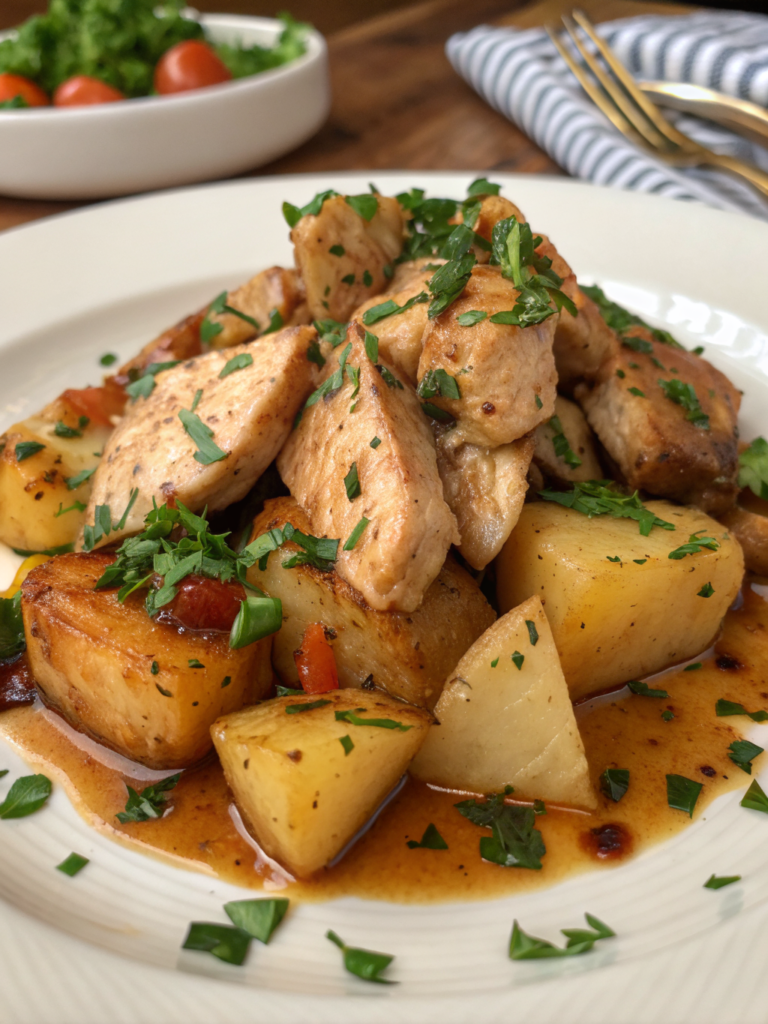
Slice the chicken and serve over a bed of quinoa pilaf with roasted vegetables for a complete, balanced meal. The nutty grain complements the herb-infused chicken while providing complex carbohydrates and additional protein.
Create an elegant dinner party presentation by fanning sliced chicken over creamy risotto with seasonal vegetables. The contrast between the tender meat and creamy rice creates textural interest that impresses guests.
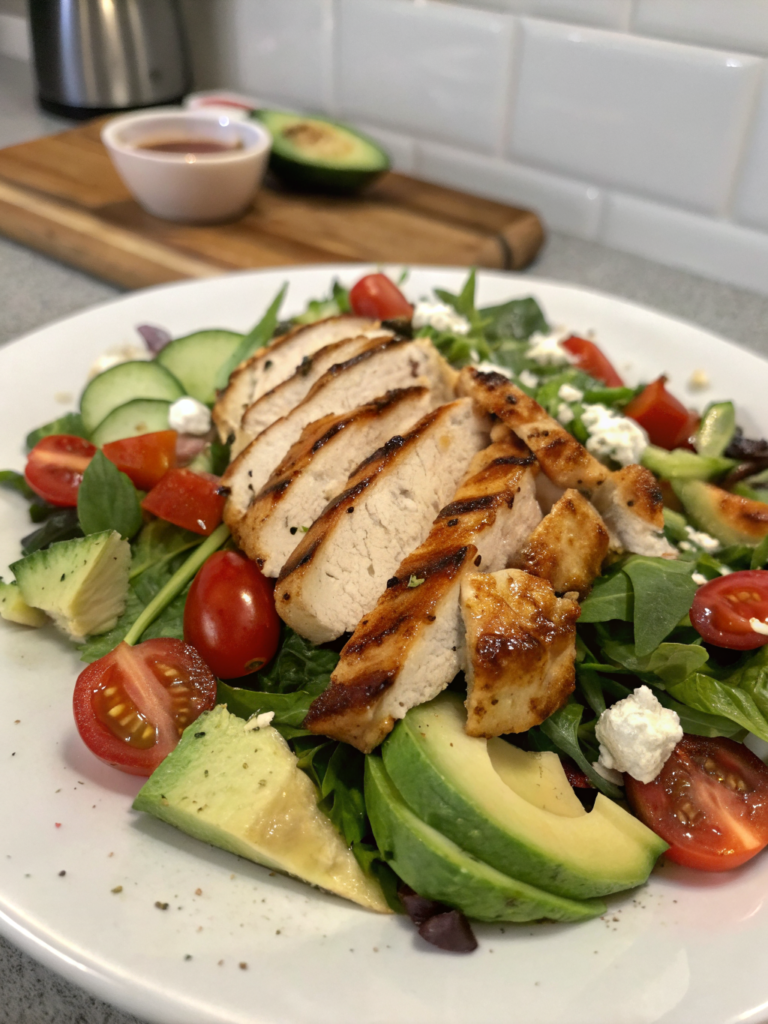
For lighter fare, serve chilled sliced chicken over mixed greens with cherry tomatoes, cucumber, and a lemon vinaigrette that echoes the recipe’s citrus notes. This creates a satisfying salad perfect for lunch or warm weather dining.
Transform leftovers into gourmet sandwiches using crusty artisan bread, fresh arugula, sliced avocado, and a spread of herbed cream cheese. The combination creates a restaurant-quality sandwich experience at home.
Common Mistakes to Avoid
Understanding potential pitfalls helps ensure consistent success with this sous vide chicken breast recipe. Learning from common errors saves time, ingredients, and frustration while guaranteeing optimal results.
- Inadequate sealing: Poor vacuum sealing allows air pockets that create uneven heating. Always double-check seals and remove all air for consistent cooking throughout.
- Skipping the searing step: While chicken is perfectly cooked from sous vide, the pale appearance lacks visual appeal. Searing adds crucial flavor and attractive color.
- Incorrect temperature: Using temperatures above 145°F results in drier texture, while below 140°F may raise food safety concerns. Precision is key to perfect results.
- Overcrowding bags: Placing multiple breasts in one bag can cause uneven cooking. Use separate bags or ensure pieces don’t overlap for uniform heat distribution.
- Not patting dry: Excess moisture prevents proper searing and dilutes seasonings. Always thoroughly dry chicken before seasoning and again before searing.
- Rushing the process: Attempting to shorten cooking time compromises the technique’s benefits. Trust the process and allow full cooking duration for optimal tenderness.
Storing Tips for the Recipe
Proper storage techniques extend the life of your perfectly cooked chicken while maintaining its exceptional texture and flavor for future meals and meal prep applications.
Refrigerate cooked chicken in airtight containers for up to 4 days. The sous vide cooking method actually improves storage life by eliminating harmful bacteria more effectively than conventional cooking methods while preserving moisture content.
For longer storage, freeze portions in vacuum-sealed bags for up to 3 months. The chicken retains its tender texture remarkably well after freezing, unlike conventionally cooked chicken that often becomes tough and dry.
Reheat refrigerated chicken gently in a 300°F oven for 10-15 minutes, or slice cold for salads and sandwiches. Avoid microwaving, which can create hot spots and compromise the carefully achieved texture.
Meal prep enthusiasts can cook multiple batches and portion into weekly servings. The consistent results make this technique perfect for preparing several days’ worth of protein with minimal active cooking time.
Conclusion
This sous vide chicken breast recipe revolutionizes home cooking by delivering restaurant-quality results with foolproof consistency. The precise temperature control eliminates guesswork while ensuring every bite achieves perfect tenderness and flavor penetration.
The technique’s versatility extends far beyond this basic preparation, opening doors to endless flavor combinations and presentation styles. Once you master this fundamental approach, you’ll never return to conventional chicken cooking methods that risk dryness and inconsistency.
Ready to transform your chicken game forever? Try this recipe tonight and experience the difference that precision cooking makes. Share your results in the comments below, and don’t forget to explore our other sous vide recipes for expanding your culinary repertoire with confidence and creativity.