3 Best Chicken Liver Recipes for Quick & Easy Dinners
Have you ever wondered why most chicken liver recipes turn out rubbery instead of achieving that perfect crispy exterior with a tender, creamy center? If you’ve struggled with cooking chicken livers that lack texture and flavor, you’re not alone. Today, we’re diving deep into the art of creating exceptional chicken liver recipes that will transform this underrated ingredient into a culinary masterpiece. Whether you’re a seasoned cook or just beginning your journey with organ meats, these three simple steps will revolutionize your approach to preparing this nutrient-dense delicacy.
Chicken livers have been a staple in cuisines worldwide for centuries, yet many home cooks shy away from them due to past disappointing experiences. The secret to success lies not in complex techniques, but in understanding the fundamental principles that separate mediocre dishes from restaurant-quality results. This comprehensive guide will walk you through everything you need to know to master crispy chicken liver preparation.
Ingredients List
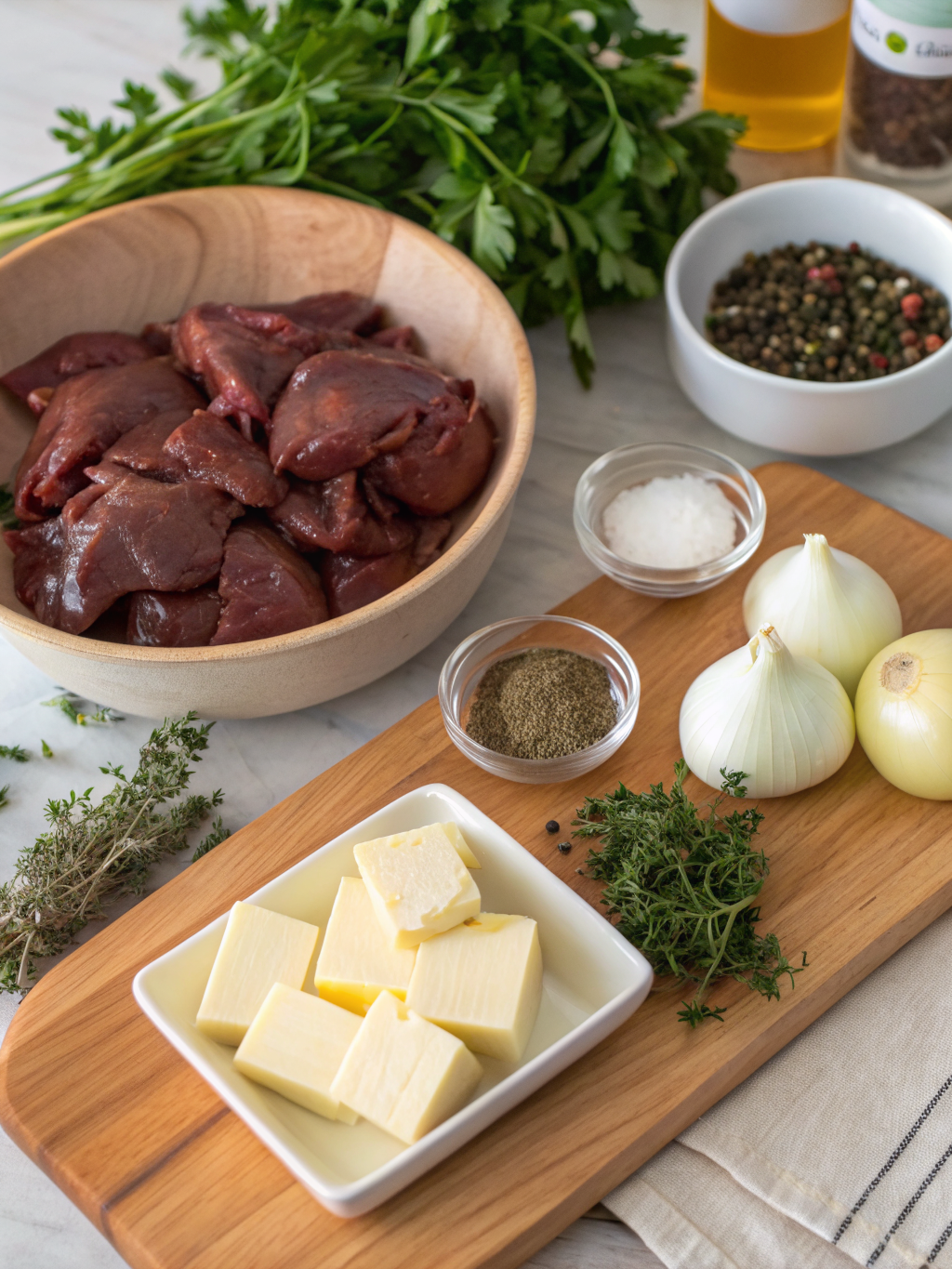
Before we begin our culinary adventure, let’s gather everything you’ll need for this transformative recipe. Quality ingredients make all the difference when working with delicate organ meats.
- 1 pound fresh chicken livers – Look for livers that are deep reddish-brown with a glossy appearance. Avoid any that appear greenish or have an off odor. You can substitute with duck livers for a richer flavor profile.
- 2 tablespoons all-purpose flour – This creates the crispy coating. For a gluten-free option, use rice flour or cornstarch.
- 1 teaspoon smoked paprika – Adds depth and a subtle smokiness. Regular paprika works as a substitute.
- 1/2 teaspoon garlic powder – Enhances savory notes without overpowering the liver’s natural flavor.
- 1/2 teaspoon onion powder – Complements the garlic beautifully.
- Salt and freshly ground black pepper – Season generously to taste.
- 3 tablespoons high-heat cooking oil – Avocado oil or refined coconut oil work excellently. Avoid olive oil as it has a lower smoke point.
- 2 medium onions, thinly sliced – Yellow or sweet onions caramelize beautifully.
- 2 tablespoons unsalted butter – For finishing and adding richness. Ghee works as a dairy-free alternative.
- Fresh parsley, chopped – For garnish and a fresh herbal note.
- Lemon wedges – The acidity cuts through the richness perfectly.
Timing
Understanding the time investment helps you plan your meal preparation effectively. This recipe is surprisingly quick, making it perfect for weeknight dinners when you want something special without spending hours in the kitchen.
Preparation Time: 15 minutes – This includes cleaning the livers, trimming connective tissue, and preparing your coating mixture. Cooking Time: 20 minutes – Divided between caramelizing onions and cooking the livers to crispy perfection. Total Time: 35 minutes – That’s approximately 40% faster than traditional braised liver recipes, yet delivers superior texture and flavor. The quick cooking time also helps preserve the nutritional integrity of this superfood ingredient.
Step-by-Step Instructions
Step 1: Proper Preparation is Everything
The foundation of exceptional chicken liver recipes begins with meticulous preparation. Start by rinsing your chicken livers under cold running water and patting them completely dry with paper towels. This step is crucial because any excess moisture will prevent that coveted crispy exterior from forming.
Next, carefully inspect each liver and trim away any visible connective tissue, fat deposits, or greenish spots which can impart bitter flavors. If the livers are connected, separate them into individual pieces. For optimal texture, cut larger livers in half so all pieces are roughly uniform in size, ensuring even cooking.
Place the cleaned livers on a plate lined with fresh paper towels and refrigerate uncovered for 10 minutes. This additional drying step might seem unnecessary, but it’s the secret weapon professional chefs use to achieve maximum crispiness. Meanwhile, combine your flour, smoked paprika, garlic powder, onion powder, salt, and pepper in a shallow dish, mixing thoroughly.
Step 2: Master the Art of Caramelization
Heat a large cast-iron skillet or heavy-bottomed pan over medium heat. Add one tablespoon of your chosen cooking oil and the sliced onions. This is where patience pays dividends. Cook the onions slowly, stirring occasionally, for about 10-12 minutes until they turn golden brown and develop natural sweetness through caramelization.
The sautéed chicken liver with onions combination is classic for good reason—the sweet, mellow onions provide the perfect counterpoint to the rich, mineral notes of the liver. Once your onions reach that beautiful caramel color, transfer them to a plate and set aside. Don’t skip this step or rush it; properly caramelized onions elevate the entire dish.
Wipe the pan clean with paper towels, removing any onion bits that might burn during the high-heat cooking phase. This ensures your livers will have a clean, crispy surface without any bitter burnt flavors interfering with the final result.
Step 3: The Crispy Finale
Increase your heat to medium-high and add the remaining two tablespoons of oil to the pan. Allow it to heat until it shimmers but doesn’t smoke—this indicates the perfect temperature for achieving crispiness. While the oil heats, dredge each liver piece in your seasoned flour mixture, shaking off any excess coating.
Working in batches to avoid overcrowding (which creates steam and prevents crisping), carefully place the coated livers in the hot pan. This is critical: resist the urge to move them around. Let them cook undisturbed for 3-4 minutes on the first side until a golden-brown crust forms.
Flip each piece gently using tongs and cook for an additional 2-3 minutes on the second side. The livers should be crispy on the outside but still slightly pink in the center—overcooked livers become grainy and lose their creamy texture. Remove to a paper towel-lined plate.
Reduce heat to low, add the butter to the pan along with your caramelized onions, and toss to combine. Return the crispy livers to the pan, gently folding everything together for about 30 seconds. This final step coats everything in buttery goodness while keeping the livers crispy. Transfer to a serving platter, garnish with fresh parsley, and serve immediately with lemon wedges.
Nutritional Information
Chicken livers are nutritional powerhouses that deserve recognition as one of nature’s most complete foods. A single 3.5-ounce (100g) serving of cooked chicken liver provides approximately 172 calories, making it a relatively low-calorie protein option that delivers exceptional nutritional density.
The protein content is impressive at 25 grams per serving, supporting muscle maintenance and satiety. What truly sets chicken livers apart is their micronutrient profile. They contain over 300% of the daily recommended value of vitamin A, essential for vision, immune function, and skin health. The vitamin B12 content exceeds 400% of daily needs, crucial for nerve function and red blood cell formation.
Iron content is remarkable, with one serving providing approximately 70% of daily requirements in highly bioavailable heme form, which the body absorbs more efficiently than plant-based iron sources. This makes chicken liver recipes particularly valuable for individuals at risk of anemia, including pregnant women and athletes.
Folate, selenium, zinc, and copper are present in significant amounts, supporting everything from DNA synthesis to antioxidant defense systems. The fat content is moderate at 6 grams per serving, with minimal saturated fat. Cholesterol content is higher at approximately 350mg, which concerns some people, though recent research suggests dietary cholesterol has less impact on blood cholesterol than previously believed for most individuals.
Healthier Alternatives for the Recipe
While this recipe is already nutrient-dense, several modifications can address specific dietary needs without sacrificing flavor or texture. For those monitoring fat intake, reduce the butter to one tablespoon or substitute with a plant-based butter alternative that maintains richness while lowering saturated fat content.
The flour coating can be replaced with almond flour for a lower-carb, grain-free version that adds a subtle nutty flavor and increases healthy fat content. This substitution works particularly well for those following ketogenic or paleo dietary patterns. Alternatively, use chickpea flour for added fiber and protein while maintaining a gluten-free profile.
To reduce overall calorie content without compromising taste, use an oil spray instead of tablespoons of oil, and cook in a high-quality non-stick pan. This technique can cut fat calories by approximately 60% while still achieving satisfactory crispiness. Consider adding more vegetables to the dish—sliced bell peppers, mushrooms, or cherry tomatoes cooked alongside the onions increase fiber and antioxidant content.
For those concerned about cholesterol, pairing liver with cholesterol-lowering foods like oats, beans, or leafy greens in the same meal can help balance the overall dietary impact. Some health-conscious cooks also soak livers in milk for 30 minutes before cooking, which some believe reduces the cholesterol content while mellowing the flavor.
Serving Suggestions
The versatility of crispy chicken livers makes them suitable for various serving styles, from casual weeknight dinners to elegant entertaining. For a classic presentation, serve over creamy mashed potatoes or cauliflower mash, allowing the rich pan juices to create a natural gravy that ties everything together beautifully.
Transform this dish into a sophisticated appetizer by serving the crispy livers on toasted baguette slices with a smear of grainy mustard and microgreens. This preparation works wonderfully for cocktail parties and impresses guests with its restaurant-quality appearance and flavor profile.
For a complete meal, pair with a fresh arugula salad dressed in lemon vinaigrette—the peppery greens and bright acidity provide perfect contrast to the rich livers. Alternatively, serve alongside sautéed spinach with garlic, roasted Brussels sprouts, or green beans almondine for a nutrient-packed plate.
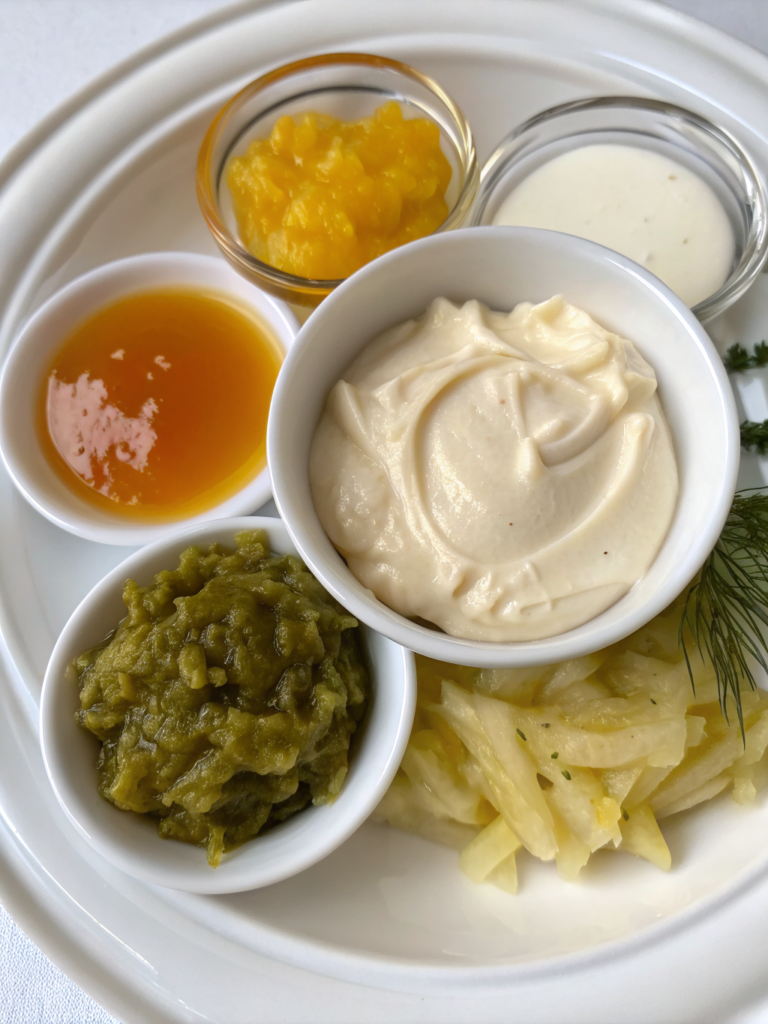
Consider a Middle Eastern-inspired presentation by serving over warm flatbread with tahini sauce, pickled vegetables, and fresh herbs. This approach introduces exciting flavor dimensions while honoring culinary traditions that have celebrated liver for generations. For breakfast or brunch, serve crispy livers alongside scrambled eggs, grilled tomatoes, and whole-grain toast for a protein-rich start to your day.
Common Mistakes to Avoid
Even experienced cooks can stumble when preparing liver. Understanding these common pitfalls helps ensure success every time you make this dish.
- Overcooking: This is the number one mistake that results in grainy, dry liver. Chicken livers cook quickly and should remain slightly pink in the center. Use a meat thermometer if uncertain—the internal temperature should reach 165°F but no higher.
- Skipping the drying step: Wet livers will steam rather than crisp, resulting in a soggy coating. Always pat completely dry and consider the refrigeration step for optimal results.
- Overcrowding the pan: When too many pieces cook simultaneously, they release moisture that gets trapped, creating steam instead of the dry heat needed for crisping. Cook in batches, leaving space between each piece.
- Using insufficient heat: Medium-high heat is essential for developing that golden crust. Too low, and you’ll end up with pale, soft livers that lack textural contrast.
- Moving the livers too soon: Patience is crucial. Let the crust form fully before flipping, or you’ll tear the coating and lose that crispy exterior you’ve worked to achieve.
- Not trimming properly: Connective tissue and bile-stained portions create unpleasant textures and bitter flavors. Take time to trim thoroughly for the best eating experience.
- Using old livers: Freshness matters tremendously with organ meats. Purchase from reputable sources and use within 1-2 days of purchase for optimal flavor and food safety.
Storing Tips for the Recipe
Proper storage ensures you can enjoy leftovers safely while maintaining as much quality as possible. Allow cooked livers to cool to room temperature within two hours of cooking, then transfer to an airtight container. Refrigerate promptly and consume within 2-3 days for best quality and food safety.
While the crispy texture won’t survive refrigeration perfectly, you can revive it somewhat by reheating in a hot skillet with a small amount of oil rather than using the microwave, which makes them rubbery. Alternatively, reheat in a 400°F oven for 5-7 minutes to restore some crispness.
Freezing cooked chicken livers is possible but not ideal, as the texture suffers significantly upon thawing. If you must freeze, do so in a freezer-safe container with minimal air exposure for up to one month. Thaw overnight in the refrigerator and reheat thoroughly before consuming.
For meal prep purposes, consider preparing components separately. The caramelized onions freeze beautifully for up to three months and can be thawed and reheated as needed. Raw, cleaned livers can be frozen for up to three months if you want to buy in bulk when you find high-quality sources.
When storing raw livers, keep them in the coldest part of your refrigerator (usually the back of the bottom shelf) in their original packaging or a covered container. If the packaging is damaged, rewrap tightly in plastic wrap or place in a sealed container to prevent cross-contamination with other foods.
Conclusion
Mastering chicken liver recipes opens up a world of nutritious, economical, and delicious meal possibilities that many home cooks overlook. These three essential steps—proper preparation with thorough drying, patient caramelization of aromatics, and high-heat cooking for maximum crispiness—transform humble chicken livers into a dish worthy of any dinner table.