Cowboy Ribeye Recipe: How to Get a Juicy, Perfectly Seared Steak
Ever wondered why steakhouse chefs guard their cowboy ribeye techniques so closely? This bone-in ribeye masterpiece isn’t just about throwing meat on a grill – it’s an art form that transforms a premium cut into restaurant-quality perfection. The secret lies in understanding heat management, timing, and the unique characteristics that make this thick-cut steak a carnivore’s dream.
The cowboy ribeye stands apart from regular ribeyes due to its impressive 2-3 inch thickness and dramatic bone presentation. This cut demands respect and proper technique to achieve that coveted edge-to-edge pink interior with a beautifully caramelized crust.
Ingredients List
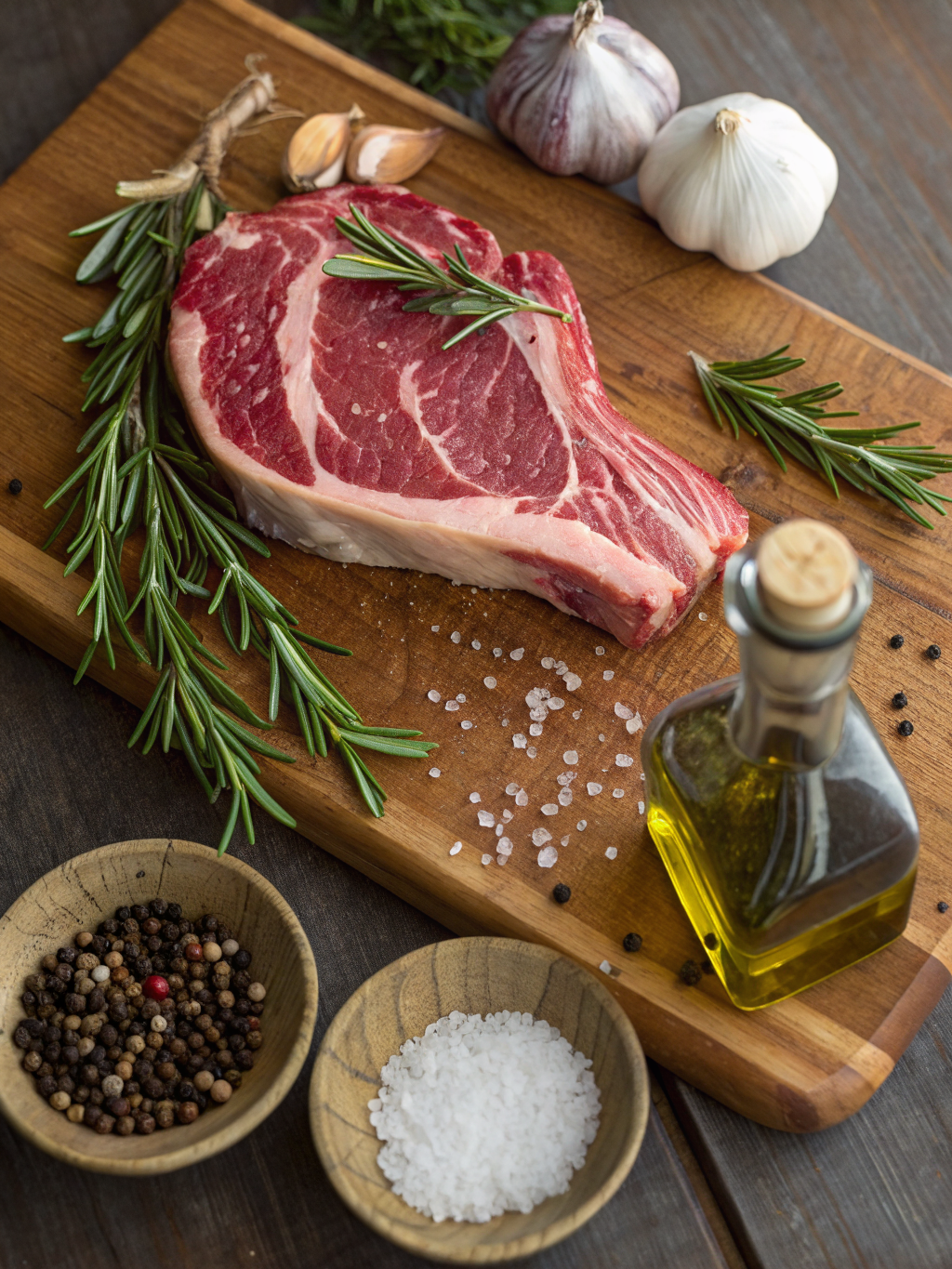
Creating the perfect cowboy ribeye requires premium ingredients and careful selection. Quality matters significantly when working with such an expensive cut of meat.
- 2 cowboy ribeye steaks (2-3 inches thick, 1.5-2 pounds each) – Look for USDA Prime or Choice grade with excellent marbling
- 2 tablespoons kosher salt – Diamond Crystal preferred, or substitute with 1.5 tablespoons table salt
- 1 tablespoon freshly cracked black pepper – Coarse grind works best for texture
- 2 tablespoons high-heat oil – Avocado oil recommended, canola oil as substitute
- 4 tablespoons unsalted butter – European-style for richer flavor
- 4 fresh thyme sprigs – Rosemary works as alternative
- 4 garlic cloves – Smashed, not minced
- 1 tablespoon flaky sea salt – For finishing, Maldon preferred
Optional flavor enhancers include smoked paprika, garlic powder, or your favorite steak seasoning blend. The key is not overwhelming the natural beef flavor.
Timing
Proper timing separates amateur attempts from professional results. The cowboy ribeye requires patience and precise execution for optimal results.
Preparation Time: 45 minutes (including 30 minutes for bringing steak to room temperature)
Active Cooking Time: 15-20 minutes
Resting Time: 10 minutes
Total Time: 70-75 minutes
This timing represents approximately 25% less active cooking than traditional oven-finished methods, while delivering superior results through the reverse-sear technique.
Step-by-Step Instructions
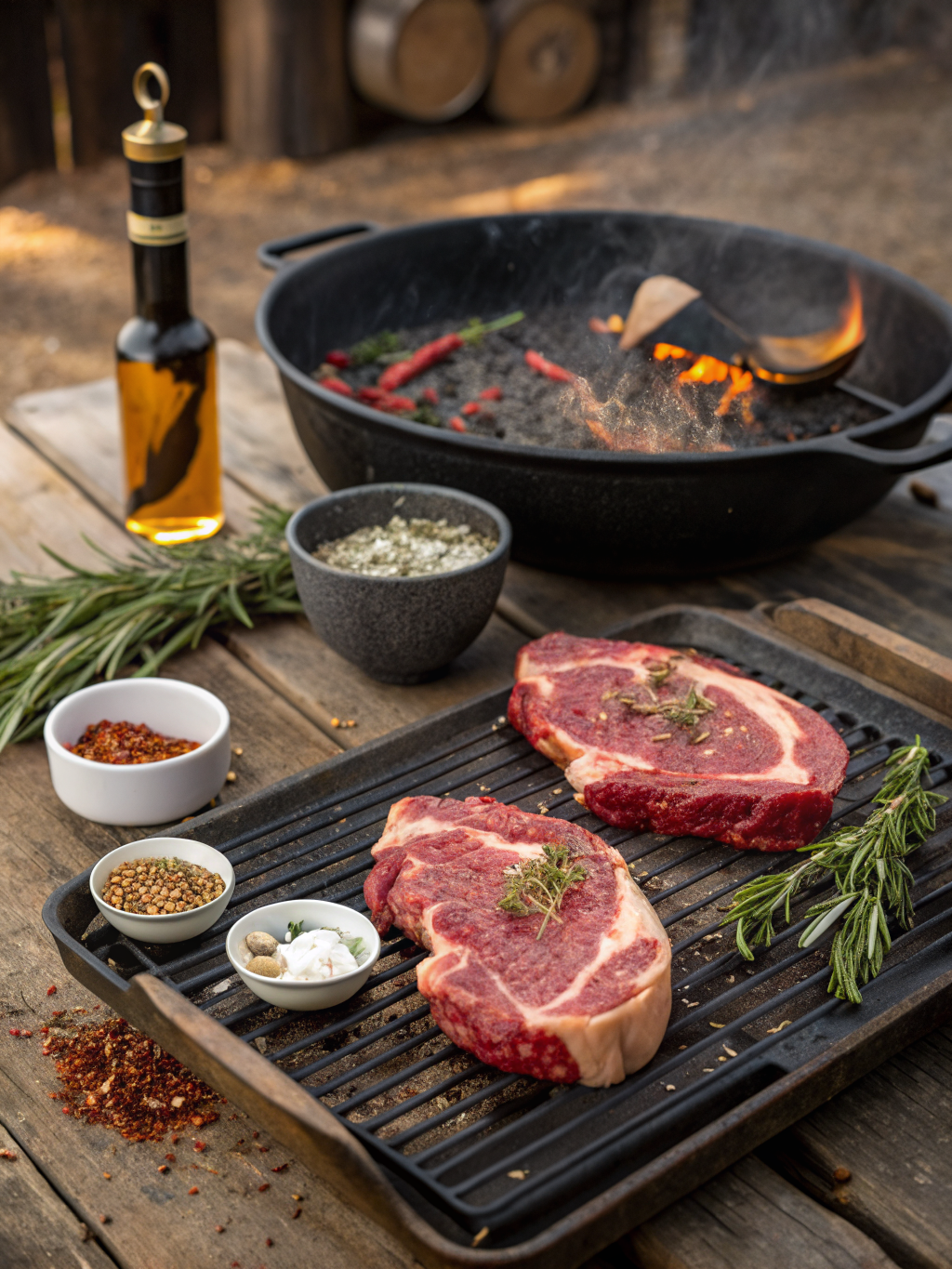
Step 1: Preparation and Seasoning
Remove steaks from refrigeration 30-45 minutes before cooking. Pat completely dry with paper towels, removing all surface moisture. Season generously with kosher salt and black pepper on all sides, including edges.
The salt draws out moisture initially, then reabsorbs it along with the seasoning, creating a natural brine effect that enhances flavor penetration.
Step 2: Preheat Equipment
Preheat your oven to 275°F (135°C). Place a cast-iron skillet or heavy-bottomed oven-safe pan in the oven during preheating. This low temperature ensures even cooking throughout the thick cut.
If using a meat thermometer, insert it into the thickest part of the steak, avoiding the bone for accurate readings.
Step 3: Initial Oven Cooking
Place seasoned steaks on a wire rack set over a baking sheet. Cook in the preheated oven for 20-25 minutes, or until internal temperature reaches 110°F (43°C) for medium-rare finish.
This reverse-sear method ensures even cooking and prevents the gray band that often appears with traditional high-heat methods.
Step 4: Rest and Sear Preparation
Remove steaks from oven and let rest for 5 minutes. Meanwhile, heat the preheated cast-iron skillet over high heat on the stovetop. Add high-heat oil when the pan begins smoking lightly.
The brief rest allows juices to redistribute while maintaining the ideal searing temperature differential.
Step 5: The Perfect Sear
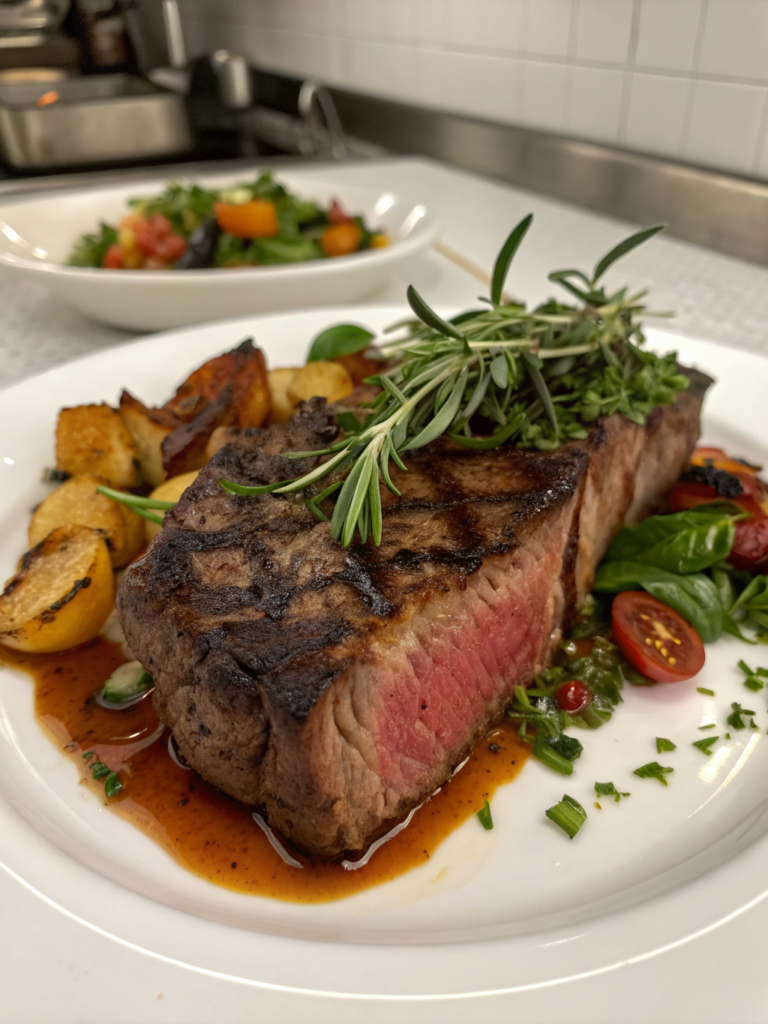
Carefully place steaks in the screaming hot pan. Sear for 2-3 minutes per side, creating a deep golden-brown crust. Don’t move the steaks during searing – let the Maillard reaction work its magic.
Add butter, thyme, and smashed garlic to the pan during the final minute, tilting the pan and basting the steaks with the aromatic butter.
Step 6: Final Temperature Check and Rest
Check internal temperature: 125°F (52°C) for medium-rare, 135°F (57°C) for medium. Remove from heat and let rest for 10 minutes before slicing. Finish with flaky sea salt.
The temperature will rise 5-10 degrees during resting, achieving the perfect doneness while maintaining maximum juiciness.
Nutritional Information
A 6-ounce serving of cowboy ribeye provides substantial nutritional value, though it’s certainly an indulgent choice. Each serving contains approximately 450-500 calories, with 35-40 grams of high-quality protein.
The fat content ranges from 35-40 grams, including beneficial monounsaturated fats. Ribeye provides essential nutrients including iron (15% DV), zinc (25% DV), and vitamin B12 (80% DV).
While high in saturated fat, grass-fed options offer improved omega-3 fatty acid profiles. The protein quality scores exceptionally high, providing all essential amino acids in optimal ratios for muscle maintenance and growth.
Healthier Alternatives for the Recipe
For health-conscious diners, several modifications can reduce calories while maintaining flavor integrity. Consider trimming visible fat before cooking, though this reduces the signature ribeye richness.
Grass-fed beef offers superior nutritional profiles with higher omega-3 content and lower overall calories. Reducing portion sizes to 4-5 ounces still provides satisfaction while cutting calories by 25-30%.
Replace butter basting with herb-infused olive oil for heart-healthier fats. Add roasted vegetables as sides instead of traditional starches to increase fiber and nutrient density.
For those following specific diets, this recipe naturally fits ketogenic and paleo lifestyles. The how to cook cowboy ribeye method adapts well to various dietary preferences with minimal modifications.
Serving Suggestions
Present your masterpiece with complementary sides that enhance rather than compete with the star. Classic pairings include roasted asparagus with lemon, garlic mashed potatoes, or a simple arugula salad with shaved parmesan.
For wine pairings, bold reds like Cabernet Sauvignon or Malbec complement the rich, beefy flavors beautifully. A well-aged bourbon also makes an excellent accompaniment for special occasions.
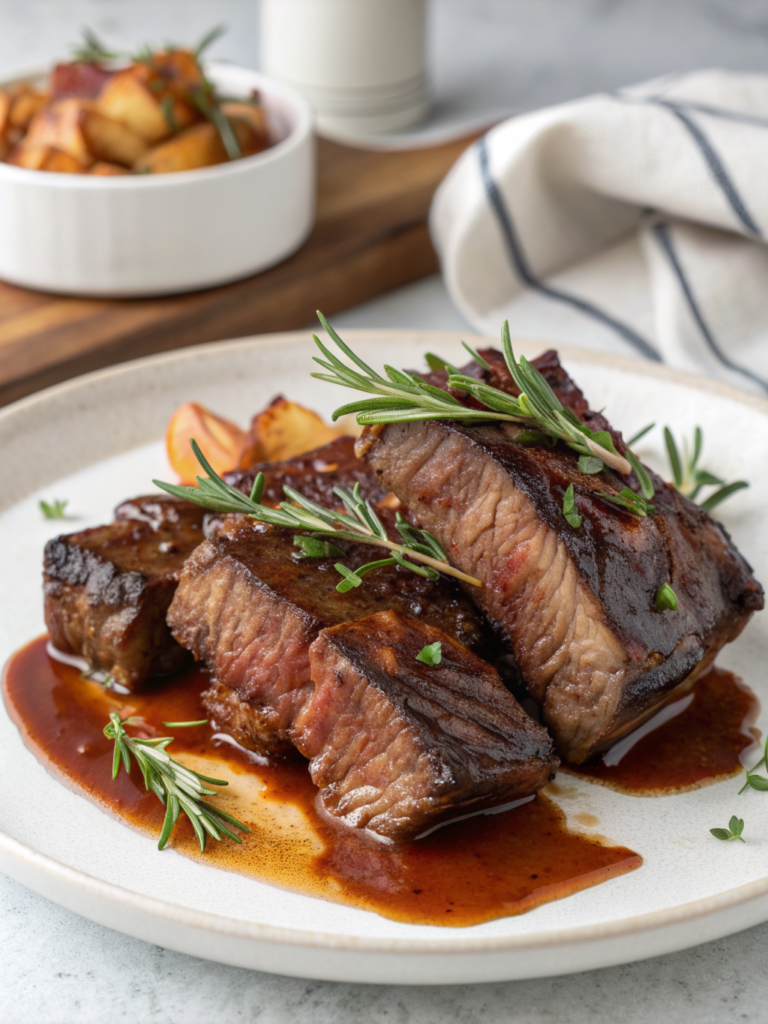
Slice against the grain for optimal tenderness, presenting on warmed plates to maintain temperature. Drizzle any remaining herb butter from the pan over the sliced steak for restaurant-quality presentation.
Consider compound butters with blue cheese, roasted garlic, or fresh herbs as elegant finishing touches that elevate the dining experience.
Common Mistakes to Avoid
Success with cowboy ribeye requires avoiding several critical errors that can ruin this expensive cut. Understanding these pitfalls ensures consistent results.
- Cooking from cold: Never cook refrigerator-cold steaks. Temperature differential causes uneven cooking and tough results.
- Insufficient seasoning time: Season at least 30 minutes ahead, or ideally overnight for maximum flavor penetration.
- Moving during searing: Resist the urge to flip or move steaks. Proper searing requires patience and steady heat contact.
- Skipping the rest period: Cutting immediately causes precious juices to run out, resulting in dry meat.
- Overcrowding the pan: Cook one steak at a time if necessary to maintain proper searing temperature.
- Wrong oil choice: Low smoke-point oils burn during high-heat searing, creating bitter flavors.
Storing Tips for the Recipe
Proper storage maintains quality and safety for leftover cowboy ribeye, though this premium cut is best enjoyed fresh. Refrigerate cooked steak within 2 hours of cooking in airtight containers.
Leftover steak keeps for 3-4 days refrigerated. For reheating, use low oven heat (250°F) to prevent overcooking. Slice thin for salads or sandwiches to maximize usage.
Raw steaks can be stored refrigerated for 3-5 days or frozen for up to 6 months. Wrap tightly in plastic wrap, then butcher paper for freezer storage.
For meal prep, season steaks up to 24 hours ahead and refrigerate uncovered on wire racks. This dry-aging effect concentrates flavors and improves texture.
Conclusion
Mastering the cowboy ribeye transforms you from home cook to steakhouse-level chef. The reverse-sear method, proper seasoning, and patience create restaurant-quality results that justify the premium price of this spectacular cut.
Remember that success lies in respecting the ingredients, controlling temperature, and allowing proper resting time. These techniques ensure every bite delivers the tender, juicy perfection that makes cowboy ribeye a special occasion centerpiece.
Ready to impress your dinner guests with steakhouse-quality results? Fire up your oven and cast-iron skillet – your perfect cowboy ribeye awaits. Share your results in the comments below, and don’t forget to explore our other premium beef recipes for your next culinary adventure!