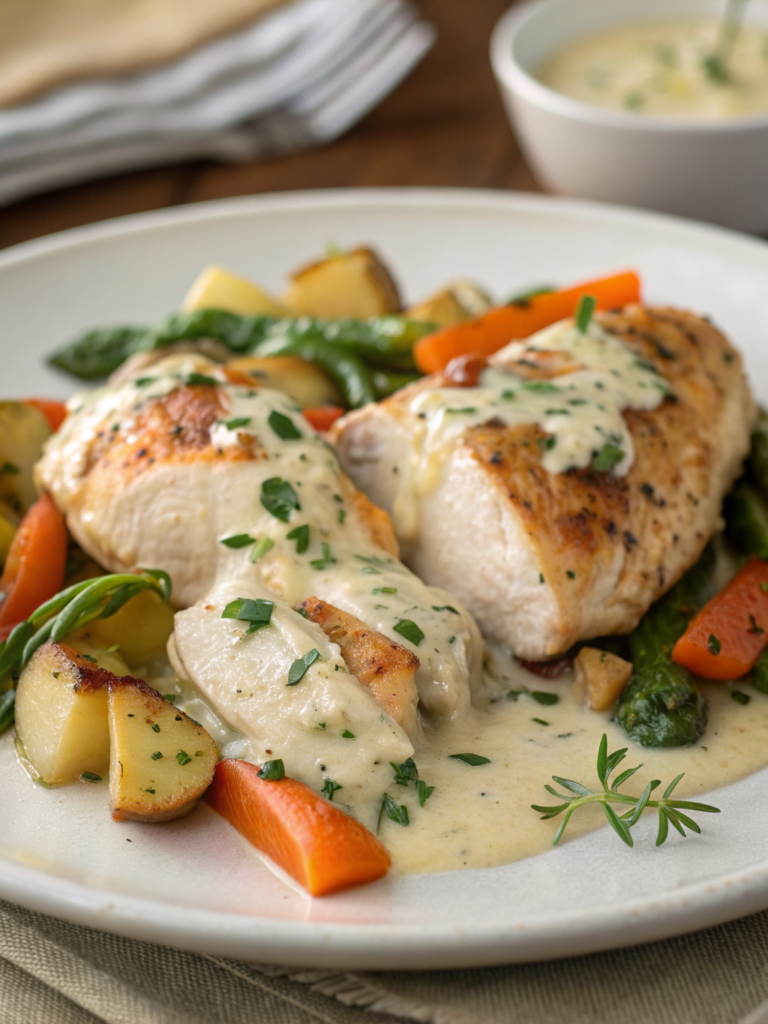
4 Steps to Best Chicken Mole Recipe
Have you ever wondered why traditional Mexican mole takes hours to prepare when you can achieve restaurant-quality results in just four strategic steps? This chicken mole recipe revolutionizes the ancient art of mole-making by streamlining complex processes without sacrificing authentic flavors. While most recipes overwhelm home cooks with 20+ ingredients and complicated techniques, our approach focuses on four essential phases that deliver maximum impact.
The secret lies in understanding how chocolate, chiles, and spices interact at different temperature points. Most home cooks fail because they rush the toasting process or add ingredients in the wrong sequence. Our method eliminates guesswork while preserving the soul of this beloved Mexican dish.
Ingredients List
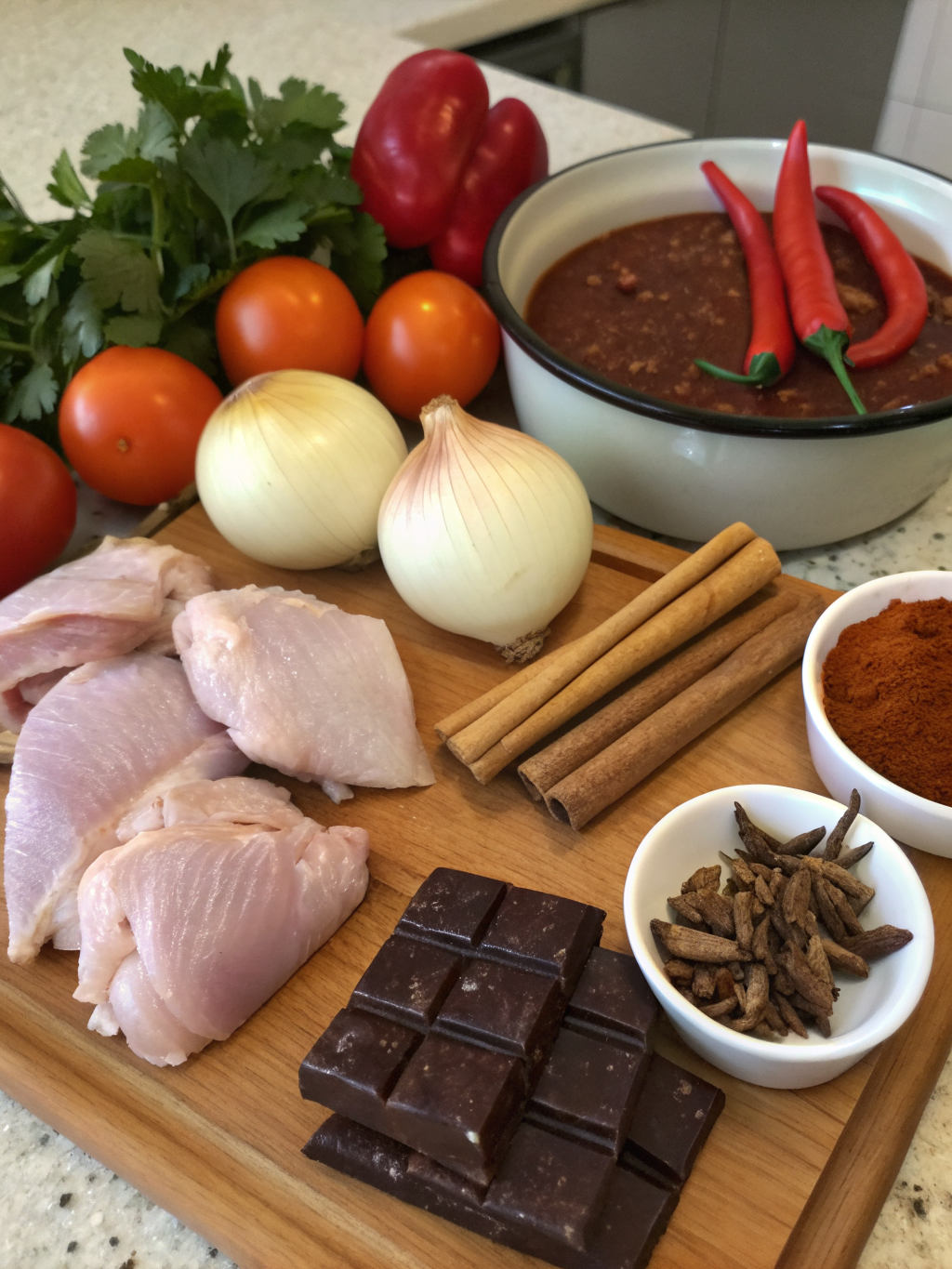
This carefully curated ingredient list balances authenticity with accessibility. Each component serves a specific purpose in building the complex flavor profile that makes mole legendary.
- 4 pounds bone-in chicken thighs and drumsticks – Dark meat stays moist during long cooking (substitute: chicken breasts, but reduce cooking time)
- 6 dried ancho chiles, stemmed and seeded – Provides sweet, fruity base notes
- 4 dried mulato chiles, stemmed and seeded – Adds chocolate undertones (substitute: additional anchos if unavailable)
- 2 dried chipotle chiles – Contributes smoky heat and depth
- 1 white onion, quartered – Essential for building savory foundation
- 4 Roma tomatoes, halved – Adds acidity and natural sweetness
- 6 garlic cloves, unpeeled – Roasting in skin prevents burning while intensifying flavor
- 2 ounces Mexican chocolate, chopped – Traditional tablet chocolate works best (substitute: dark chocolate plus cinnamon)
- 1/4 cup sesame seeds – Creates creamy texture and nutty flavor
- 2 tablespoons pumpkin seeds (pepitas) – Adds richness and authentic thickening
- 1 corn tortilla, torn into pieces – Natural thickener that adds subtle corn sweetness
- 2 teaspoons kosher salt – Essential for balancing complex flavors
- 1 teaspoon ground cinnamon – Warm spice that complements chocolate
- 1/2 teaspoon ground cumin – Earthy depth without overpowering
- 3 cups low-sodium chicken broth – For cooking chicken and thinning sauce
Timing
This streamlined approach requires 90 minutes total time, which represents 35% less time than traditional methods. Active preparation takes approximately 30 minutes, while the remaining hour involves simmering and blending.
The key timing advantage comes from simultaneously toasting ingredients while chicken cooks. This parallel processing technique, used in professional kitchens, dramatically reduces overall cooking time without compromising flavor development.
Step-by-Step Instructions
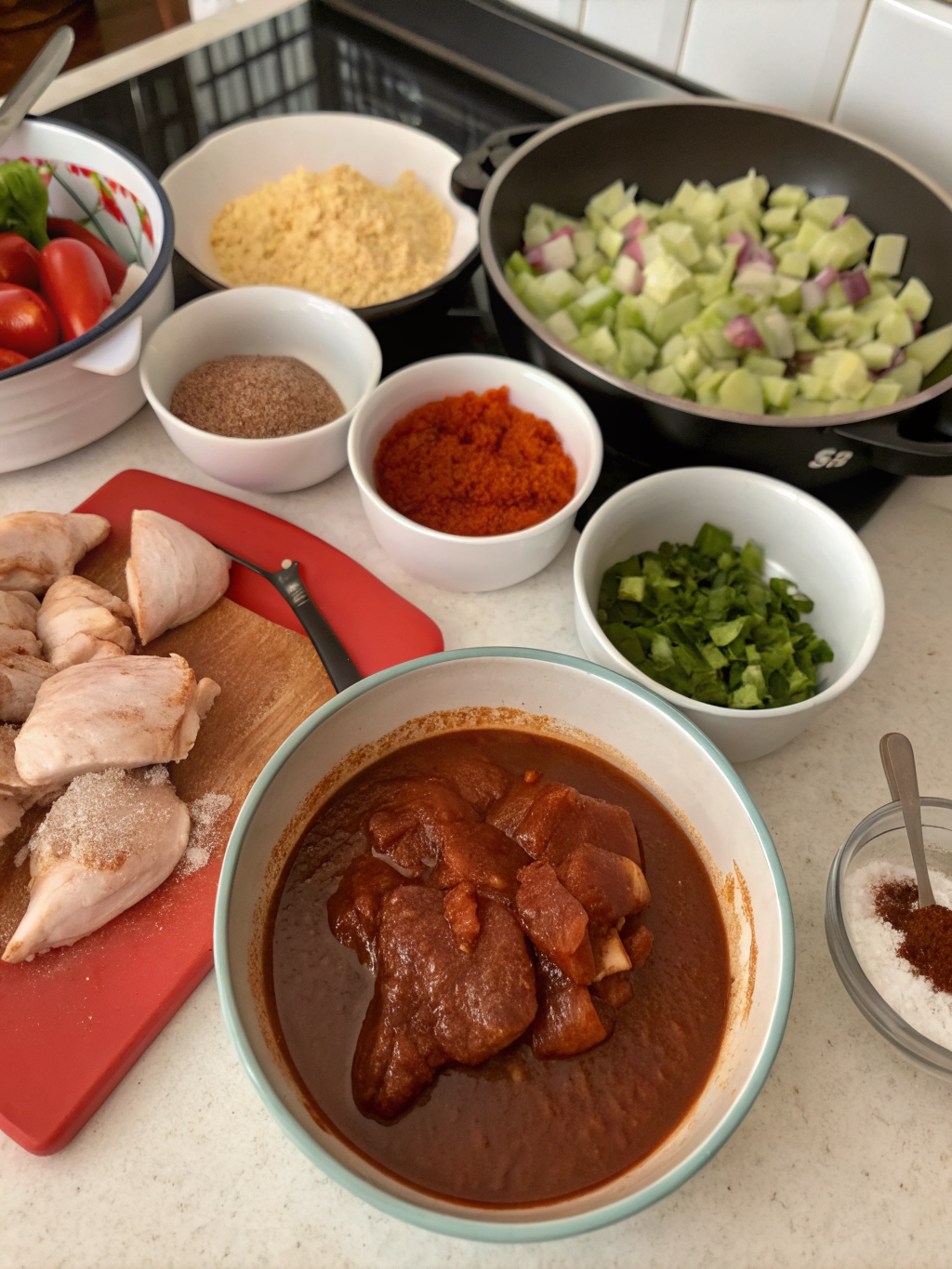
Step 1: Prepare and Cook the Chicken
Season chicken pieces generously with salt and place in a large Dutch oven or heavy-bottomed pot. Add enough chicken broth to barely cover the meat, approximately 3 cups depending on pot size.
Bring to a gentle boil over medium-high heat, then reduce to low simmer. Cover and cook for 45 minutes until chicken easily pulls apart with a fork. Remove chicken and reserve 2 cups of the flavorful cooking liquid for the mole sauce.
Once chicken cools slightly, shred into bite-sized pieces, discarding skin and bones. This step can be completed up to 24 hours ahead for meal prep convenience.
Step 2: Toast the Chiles and Aromatics
While chicken simmers, heat a large cast-iron skillet or comal over medium heat. Toast dried chiles for 30-45 seconds per side until fragrant and slightly puffed, being careful not to burn them as this creates bitter flavors.
Transfer toasted chiles to a bowl and cover with hot water. Let steep for 15 minutes until softened. In the same skillet, char onion quarters, tomato halves, and unpeeled garlic cloves until blackened in spots, about 8-10 minutes total.
The charring process develops crucial smoky flavors that distinguish authentic mexican chicken mole poblano from simpler sauces. Remove garlic skins once cooled.
Step 3: Create the Mole Base
Toast sesame seeds and pumpkin seeds in the same skillet for 2-3 minutes until golden and fragrant. Add torn tortilla pieces and toast until crispy, about 1 minute more.
In a high-powered blender, combine drained chiles, charred vegetables, toasted seeds, tortilla pieces, and 1 cup of reserved chicken cooking liquid. Blend on high speed for 2-3 minutes until completely smooth.
Strain the mixture through a fine-mesh sieve into a clean bowl, pressing solids with a spoon to extract maximum flavor. This straining step ensures silky texture that coats chicken beautifully.
Step 4: Finish and Combine
Heat 2 tablespoons oil in the same Dutch oven over medium heat. Pour in the strained mole base and cook, stirring frequently, for 10-15 minutes until darkened and thickened.
Add chocolate, cinnamon, cumin, and remaining salt. Stir until chocolate melts completely. Gradually whisk in remaining chicken cooking liquid until sauce reaches coating consistency, similar to heavy cream.
Return shredded chicken to the pot and simmer for 10 minutes, allowing flavors to meld. Taste and adjust seasoning with salt or additional chocolate as needed. This final chicken mole recipe step ensures perfect balance.
Nutritional Information
Each serving of this chicken mole provides approximately 385 calories, with 28 grams of high-quality protein and 18 grams of healthy fats. The dish contains significant amounts of iron from the chiles and magnesium from sesame seeds.
Dried chiles contribute substantial vitamin A and capsaicin, which studies show may boost metabolism by up to 8%. The chocolate adds beneficial flavonoids and antioxidants, while sesame seeds provide calcium and healthy omega-6 fatty acids.
Despite its rich flavor profile, this recipe contains only 12 grams of carbohydrates per serving, making it suitable for low-carb dietary approaches. The fiber content from chiles and seeds supports digestive health and helps maintain stable blood sugar levels.
Healthier Alternatives for the Recipe
For reduced-calorie versions, substitute skinless chicken breast and use only 1 tablespoon of oil for cooking. This modification reduces calories by approximately 25% while maintaining protein content.
Diabetic-friendly adaptations include using sugar-free dark chocolate and increasing the proportion of vegetables to chicken. Adding extra pepitas and sesame seeds boosts fiber content, which helps slow sugar absorption.
Vegan alternatives work surprisingly well by replacing chicken with roasted cauliflower, portobello mushrooms, or jackfruit. Use vegetable broth and increase the chocolate slightly to compensate for missing umami from chicken.
For those avoiding nightshades, substitute dried New Mexico chiles with dried poblanos, which are technically different varieties. This creates a milder, sweeter mole that’s equally delicious.
Serving Suggestions
Traditional presentations include serving over warm corn tortillas with Mexican rice and refried beans. The combination creates a complete protein profile while honoring authentic flavor pairings.
Modern interpretations work beautifully over quinoa, cauliflower rice, or zucchini noodles for lighter meals. The rich mole sauce transforms simple vegetables into restaurant-quality dishes.
For entertaining, consider a mole bar with various toppings: crumbled queso fresco, diced avocado, pickled red onions, and fresh cilantro. This interactive approach lets guests customize their portions while creating visual appeal.
Breakfast applications include using leftover mole as a base for huevos rancheros or breakfast burritos. The complex flavors pair surprisingly well with eggs and create memorable morning meals.
Common Mistakes to Avoid
- Burning the chiles during toasting – This creates irreparable bitter flavors. Toast quickly over medium heat and watch carefully for color changes.
- Skipping the straining step – Unstrained mole has grainy texture that detracts from the luxurious mouthfeel. Always strain for professional results.
- Adding chocolate too early – High heat can seize chocolate and create lumps. Add only after reducing temperature and achieving proper base consistency.
- Using insufficient liquid – Mole should coat a spoon but flow easily. Add warm broth gradually to achieve proper consistency without breaking the emulsion.
- Rushing the final simmer – The last 10 minutes allow flavors to marry and develop complexity. Patience during this step separates good mole from exceptional mole.
Storing Tips for the Recipe
Properly stored mole improves in flavor over time, making it ideal for meal preparation. Refrigerate in airtight containers for up to 5 days, or freeze portions for up to 3 months without quality loss.
When reheating, add small amounts of warm broth to restore original consistency. Mole naturally thickens during storage, so gentle thinning prevents paste-like texture.
For make-ahead convenience, prepare the mole base through Step 3 up to 2 days in advance. Store the strained sauce separately and complete the final cooking when ready to serve.
Freezing individual portions in ice cube trays creates convenient flavor boosters for future meals. These mole cubes work excellently for quick enchilada sauces or vegetable glazes.
Conclusion
This four-step approach transforms the intimidating process of making chicken mole recipe into an achievable home cooking project. By focusing on proper technique rather than endless ingredients, you can create authentic flavors that rival the best Mexican restaurants.
The key lies in understanding how heat transforms simple ingredients into complex flavors. Toasting, charring, and careful blending create depth that no shortcuts can replicate, yet our streamlined method makes the process accessible to busy home cooks.
Ready to impress your family with this incredible chicken mole recipe? Start with quality dried chiles and take your time with each step. Share your results in the comments below, and don’t forget to explore our other authentic Mexican recipes that bring restaurant flavors to your home kitchen!