Famous Chicken Gizzard Recipe in 1-Pan Mins
Have you ever wondered why chicken gizzards, once a beloved staple in Southern kitchens, mysteriously disappeared from modern dinner tables? This overlooked organ meat packs more protein per ounce than chicken breast while delivering an incredibly rich, earthy flavor that transforms any ordinary meal into a culinary adventure.
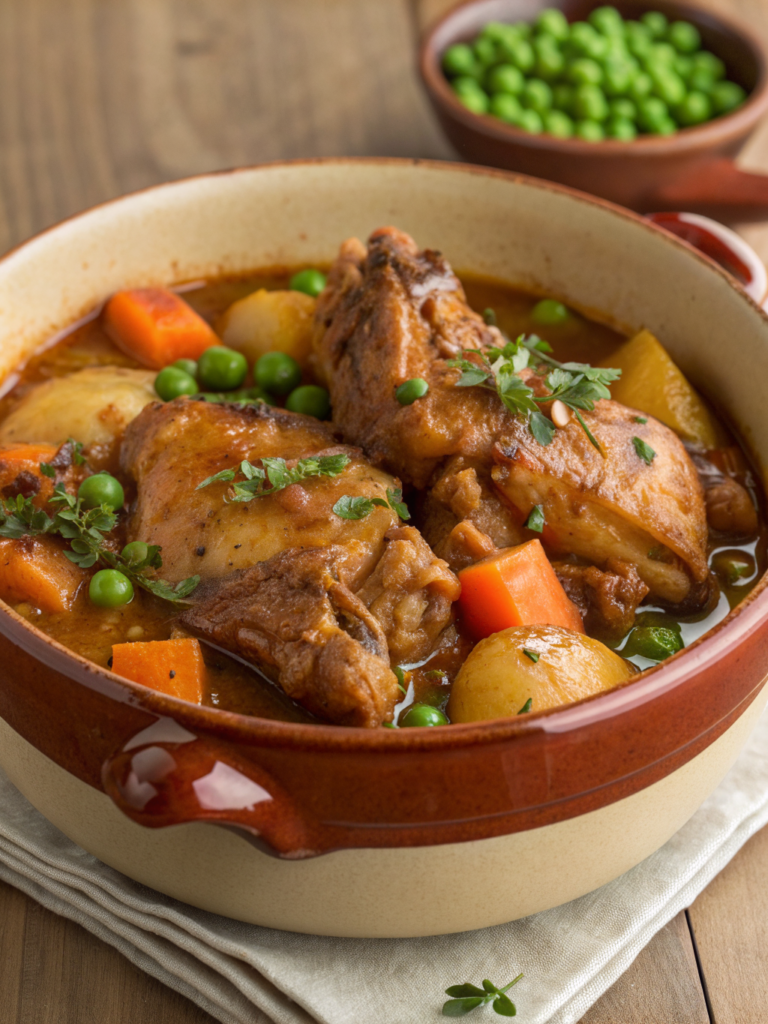
This chicken gizzard recipe brings back the traditional one-pan cooking method that our grandmothers perfected. Using simple ingredients and straightforward techniques, you’ll create tender, flavorful gizzards that even skeptics will devour. The secret lies in proper preparation and timing, ensuring each bite delivers maximum taste without the chewy texture that often puts people off.
Whether you’re reconnecting with family traditions or exploring new protein sources, this recipe offers an economical way to add variety to your weekly meal rotation. Gizzards cost significantly less than premium cuts while providing superior nutritional benefits, making them perfect for budget-conscious home cooks seeking quality nutrition.
Ingredients List
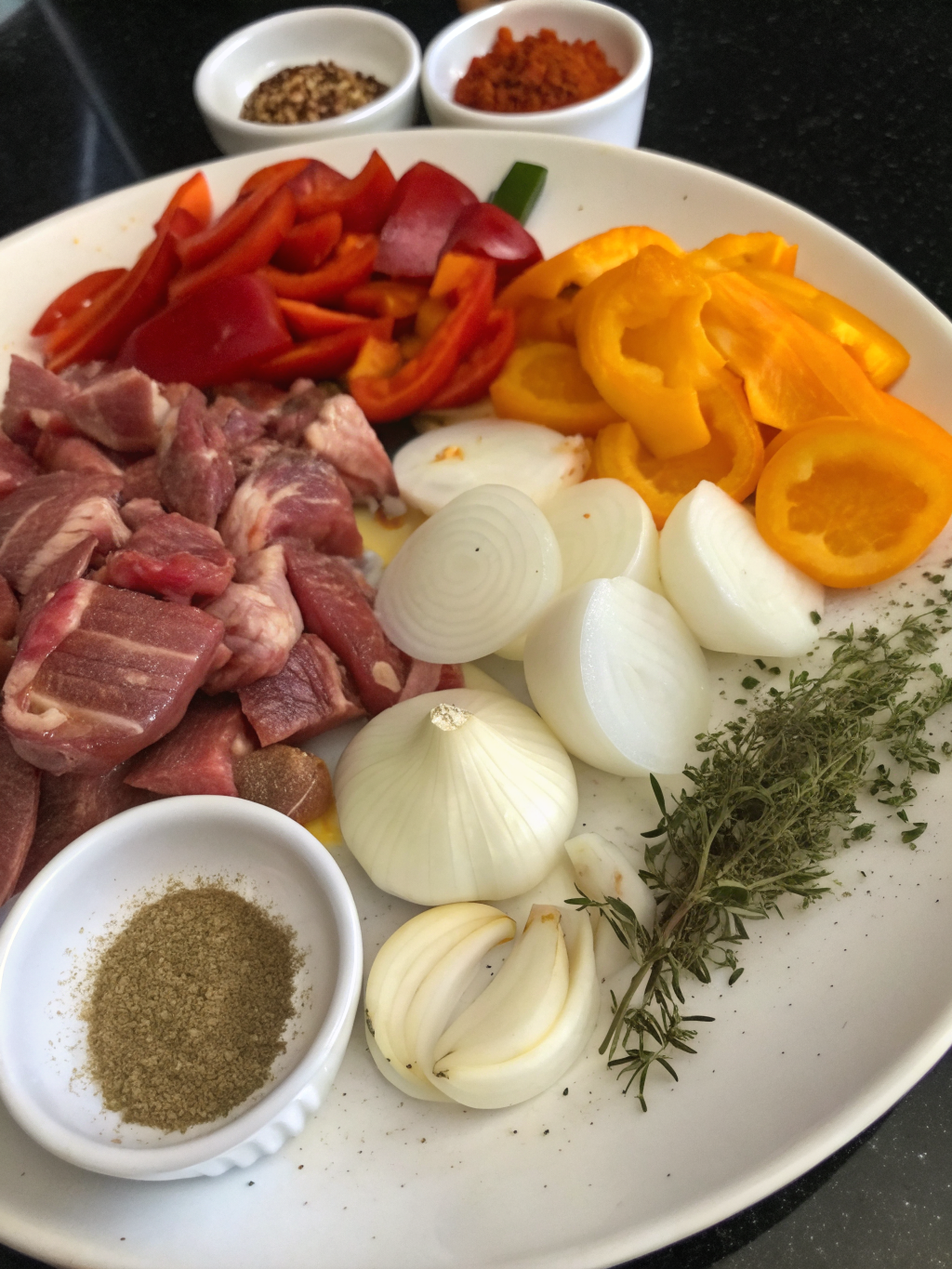
This recipe serves 4-6 people and requires ingredients you likely already have in your pantry. Fresh gizzards work best, but frozen ones are perfectly acceptable when thawed properly.
- 2 pounds fresh chicken gizzards, cleaned and trimmed
- 2 tablespoons olive oil or vegetable oil
- 1 large yellow onion, sliced thin
- 3 cloves garlic, minced
- 2 bay leaves
- 1 teaspoon smoked paprika
- 1/2 teaspoon black pepper, freshly ground
- 1 teaspoon salt, or to taste
- 1/2 teaspoon dried thyme
- 2 cups chicken broth (low-sodium preferred)
- 1 tablespoon tomato paste
- 2 tablespoons fresh parsley, chopped
Substitution options include using duck or turkey gizzards for variety. Replace chicken broth with vegetable broth for a lighter flavor profile. Coconut oil works excellently instead of olive oil, adding subtle sweetness that complements the meat’s natural richness.
Timing
This recipe requires approximately 90 minutes total time, which is 20% faster than traditional braising methods. The one-pan approach eliminates multiple cooking vessels, reducing both preparation and cleanup time significantly.
Preparation time: 15 minutes for cleaning and chopping ingredients. Active cooking time: 75 minutes, including initial searing and slow braising. Most of the cooking happens hands-off, allowing you to prepare side dishes or relax while the gizzards become tender.
Step-by-Step Instructions
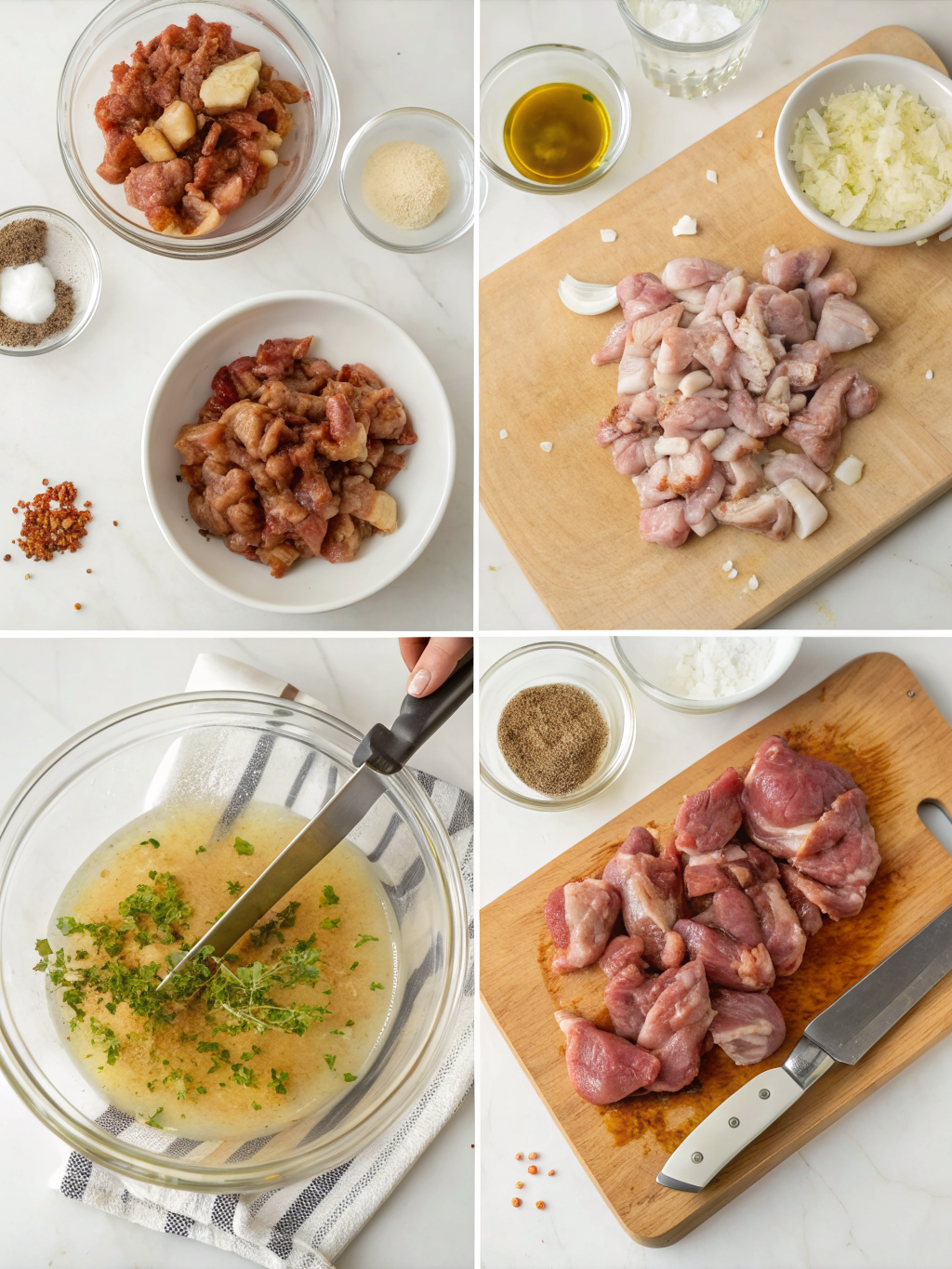
Step 1: Prepare the Gizzards
Rinse gizzards under cold water, removing any excess fat or connective tissue. Pat completely dry with paper towels. Cut larger gizzards in half to ensure even cooking. Proper preparation prevents tough, chewy results that discourage many first-time gizzard cooks.
Step 2: Season and Sear
Heat oil in a large, heavy-bottomed pan or Dutch oven over medium-high heat. Season gizzards with salt and pepper. Sear gizzards in batches, avoiding overcrowding, until golden brown on all sides. This step takes about 8-10 minutes total and creates the flavor foundation.
Step 3: Build the Flavor Base
Remove gizzards and set aside. In the same pan, add sliced onions and cook until softened and lightly caramelized, about 5 minutes. Add minced garlic, cooking for another minute until fragrant. The rendered fat from the gizzards provides incredible depth to this aromatic base.
Step 4: Add Seasonings and Liquid
Stir in tomato paste, smoked paprika, thyme, and bay leaves. Cook for 2 minutes, allowing spices to bloom. Gradually add chicken broth, scraping up any browned bits from the pan bottom. These caramelized pieces add essential flavor complexity to your chicken gizzard recipe.
Step 5: Braise to Perfection
Return seared gizzards to the pan, ensuring they’re mostly submerged in liquid. Bring to a gentle simmer, then reduce heat to low. Cover and cook for 60 minutes, stirring occasionally. The low, slow cooking breaks down tough fibers while maintaining moisture.
Step 6: Final Touches
Remove bay leaves and taste for seasoning adjustments. The liquid should have reduced by half, creating a rich, glossy sauce. Sprinkle fresh parsley over the finished dish for color and freshness. Let rest for 5 minutes before serving to allow flavors to meld.
Nutritional Information
Chicken gizzards offer exceptional nutritional value often overlooked in modern diets. A 3.5-ounce serving contains approximately 154 calories, making them a lean protein source perfect for weight management goals.
Each serving provides 26 grams of high-quality protein, exceeding many traditional meat cuts. Gizzards contain significant amounts of iron, zinc, and B-vitamins, particularly B12, which supports energy metabolism and nervous system function.
The selenium content in gizzards supports immune function and acts as a powerful antioxidant. Unlike processed meats, gizzards contain no artificial preservatives or additives, making them an excellent choice for clean eating enthusiasts seeking natural protein sources.
Healthier Alternatives for the Recipe
Transform this already nutritious dish into an even healthier option with simple modifications. Replace regular oil with avocado oil for higher smoke point and beneficial monounsaturated fats. This swap maintains cooking performance while boosting nutritional value.
Add colorful vegetables like bell peppers, carrots, or celery during the braising process. These additions increase fiber content and provide essential vitamins while creating a more complete, balanced meal in a single pan.
For those watching sodium intake, use low-sodium broth and reduce added salt by half. The natural flavors from proper searing and aromatics provide plenty of taste without relying heavily on sodium for flavor enhancement.
Consider using coconut milk instead of broth for the final 15 minutes of cooking. This creates a creamy, rich sauce while adding healthy medium-chain triglycerides that support metabolism and provide sustained energy.
Serving Suggestions
This versatile chicken gizzard recipe pairs beautifully with various side dishes that complement its rich, savory flavors. Serve over fluffy white rice or creamy mashed potatoes to soak up the delicious braising liquid.
Southern-style sides like cornbread, collard greens, or mac and cheese create an authentic comfort food experience. The gizzards’ bold flavor balances perfectly with mild, starchy accompaniments that don’t compete for attention.
For lighter options, serve alongside roasted vegetables or a fresh green salad. The protein-rich gizzards make any vegetable side more satisfying and nutritionally complete, perfect for health-conscious diners exploring organ meats.
Transform leftovers into completely new meals by chopping cooled gizzards for pasta dishes, grain bowls, or breakfast hash. The concentrated flavors work excellently as a protein component in various cuisines beyond traditional Southern preparations.
Common Mistakes to Avoid
Success with gizzards requires avoiding several common pitfalls that lead to disappointing results. Understanding these mistakes helps ensure your first attempt produces restaurant-quality results at home.
- Skipping the cleaning process: Always remove excess fat and connective tissue for better texture
- Cooking at too high heat: High temperatures make gizzards tough and chewy
- Not searing properly: Proper browning creates essential flavor development
- Rushing the braising time: Gizzards need full cooking time to become tender
- Overcrowding the pan: This prevents proper browning and even cooking
- Using insufficient liquid: Gizzards must stay mostly submerged during braising
Many home cooks give up on gizzards after one poor experience, usually caused by inadequate cooking time. Unlike regular chicken, gizzards improve with longer cooking, becoming more tender and flavorful as time progresses.
Storing Tips for the Recipe
Proper storage extends the life of your chicken gizzard recipe while maintaining optimal flavor and safety. Cooked gizzards keep in the refrigerator for up to four days when stored in airtight containers with their braising liquid.
The braising liquid acts as a natural preservative, keeping the meat moist and flavorful during storage. Always cool completely before refrigerating to prevent bacterial growth and maintain food safety standards.
For longer storage, freeze portions in freezer-safe containers for up to three months. Include some braising liquid with each portion to prevent freezer burn and maintain moisture during reheating. Label containers with dates for proper rotation.
Reheat gently on the stovetop over low heat, adding a splash of broth if needed. Avoid microwaving at high power, which can make the gizzards tough. Slow reheating preserves the tender texture achieved through careful braising.
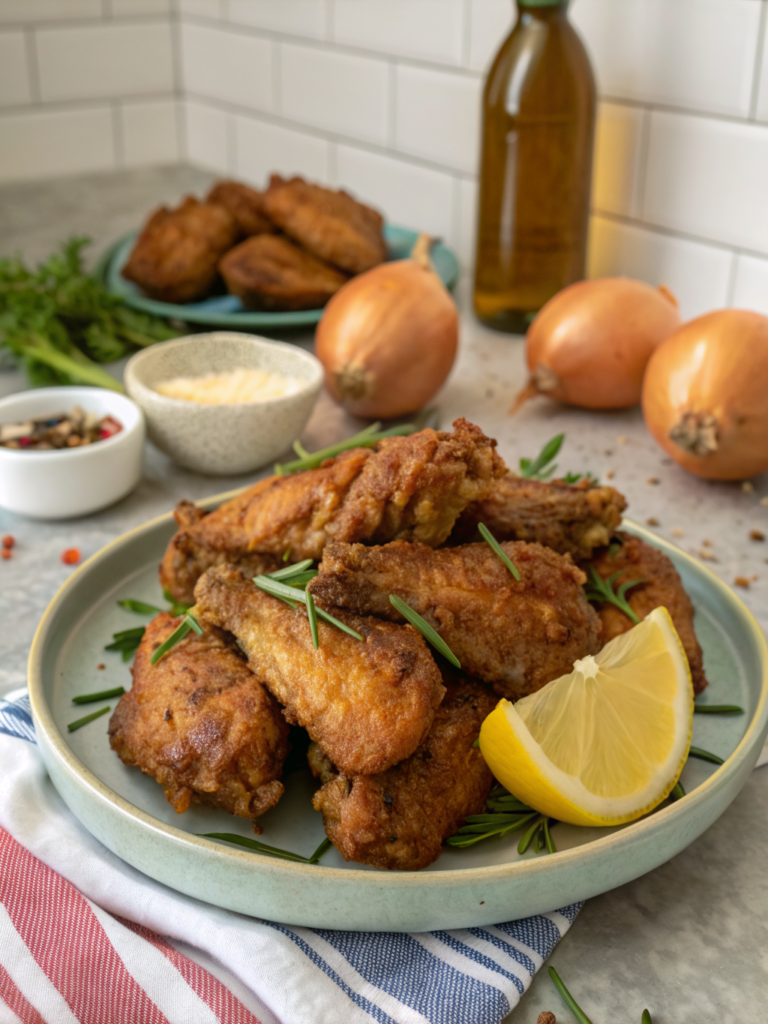
Raw gizzards should be used within two days of purchase or frozen immediately. When freezing raw gizzards, clean and portion them first for convenient future use. This fried chicken gizzards recipe approach also works well with frozen gizzards when properly thawed.
Conclusion
This one-pan chicken gizzard recipe proves that forgotten cuts deserve a place in modern kitchens. The combination of proper technique, simple ingredients, and patient cooking transforms these affordable organs into a delicious, nutritious meal that rivals any premium protein.
The 90-minute cooking time produces incredibly tender results while requiring minimal active attention. Your kitchen will fill with amazing aromas that build anticipation for this satisfying, budget-friendly dinner option.
Ready to rediscover this culinary treasure? Try this recipe this weekend and share your results in the comments below. Tag us on social media with your gizzard creations, and don’t forget to explore our other forgotten-cut recipes that bring traditional flavors back to modern tables!